VW also pledged export caps and EU-based EV investments tied to industrial and climate targets, with the Commission concluding the arrangement would not harm EU industry.
On Feb. 10, the China Chamber of Commerce to the EU said the European Commission has accepted a price undertaking submitted by Volkswagen for its BEVs exported from China to the EU.
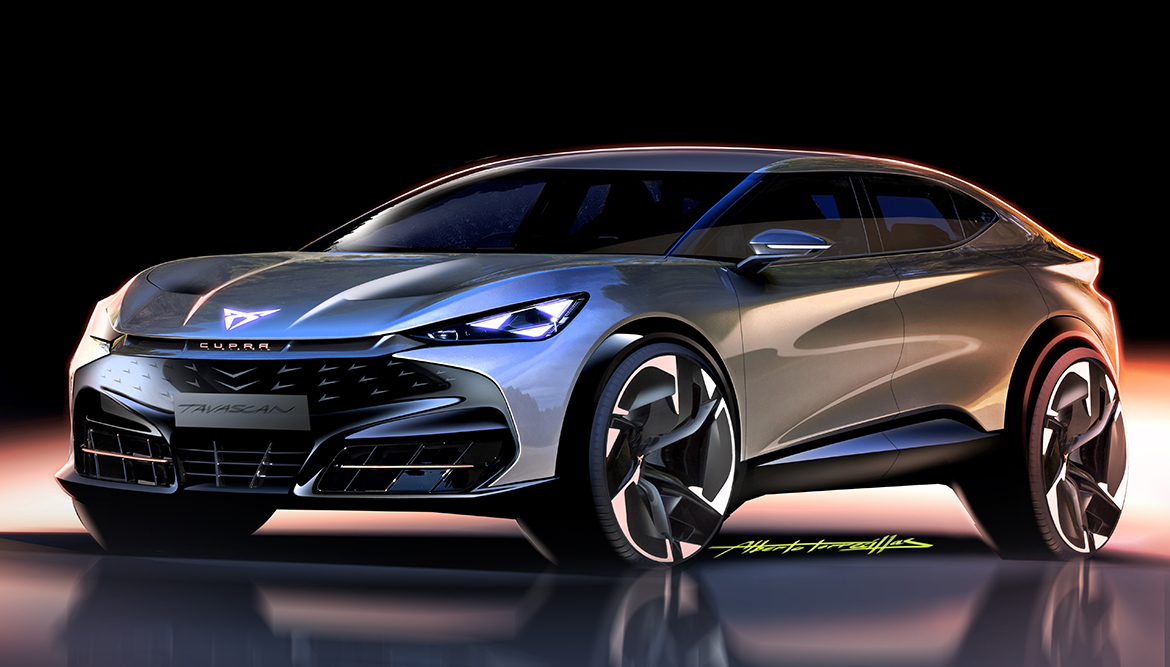
Under the decision, Volkswagen (Anhui) Co., Ltd. will be permitted to export the CUPRA Tavascan to the EU at or above a minimum import price it proposed, and will be exempt from the countervailing duties previously imposed on battery electric vehicles imported from China.

The European Commission said the price undertaking was submitted by Volkswagen and its EU affiliate, SEAT S.A., based in Martorell, Spain.
A price undertaking is essentially a voluntary arrangement under which a company commits to a minimum price, export volume limits and other conditions in exchange for exemption from anti-subsidy duties.
If the terms are breached, the Commission reserves the right to withdraw the undertaking and retroactively impose duties.
In addition to committing to a minimum import price, Volkswagen has pledged to limit export volumes of the model to the EU and to invest in a series of key projects related to battery electric vehicles within the bloc.
These investments will be subject to phased targets aligned with the EU’s industrial and climate transition strategy.
Following its investigation, the Commission concluded that the minimum price set for the specific model would not cause injury to EU industry and therefore decided to accept the undertaking.
Regarding price undertakings more broadly, the Automotive Working Group of the China Chamber of Commerce to the EU recently submitted guidance documents on EV price commitments released by the EU side and has engaged in technical-level dialogue with European authorities.
The chamber said some Chinese EV manufacturers may assess, based on their own operating conditions, whether to submit similar price undertaking proposals to the Commission.
Given significant differences among companies in model portfolios, export volumes and business structures, the chamber also called on EU authorities to maintain close and constructive communication with enterprises to ensure that any arrangements are operationally feasible and predictable.
Discover more from ChinaEVHome
Subscribe to get the latest posts sent to your email.