China’s passenger vehicle price war, which has lasted nearly two years, is showing signs of easing at the start of 2026.
According to the latest data released by Cui Dongshu, secretary-general of the China Passenger Car Association (CPCA), the number of new passenger car models directly lowering their official guide prices dropped significantly in February, suggesting automakers are becoming more restrained in their pricing strategies.
Data show that in February 2026, the average price of new energy vehicle models that implemented price cuts was RMB 354,000 ($51,330), with an average reduction of RMB 48,000 ($6,960), representing a decline of about 13.5%.

Across the broader passenger car market, the average price of discounted models was RMB 361,000 ($52,350), with an average price cut of RMB 47,000 ($6,820), representing a reduction of 13.1%.
In comparison, gasoline-powered vehicles saw slightly smaller reductions, with an average price of RMB 371,000 ($53,800) and an average price cut of RMB 46,000 ($6,670), equivalent to about 12.5%.
However, in terms of the number of discounted models, the market tightened significantly.
In February, only six passenger vehicle models lowered their official guide prices, 15 fewer than in the same period last year and far below the 17 models recorded in January this year.

Among them, four gasoline-powered models cut prices, roughly in line with the same period last year, while only two battery electric models reduced prices, seven fewer than a year earlier.
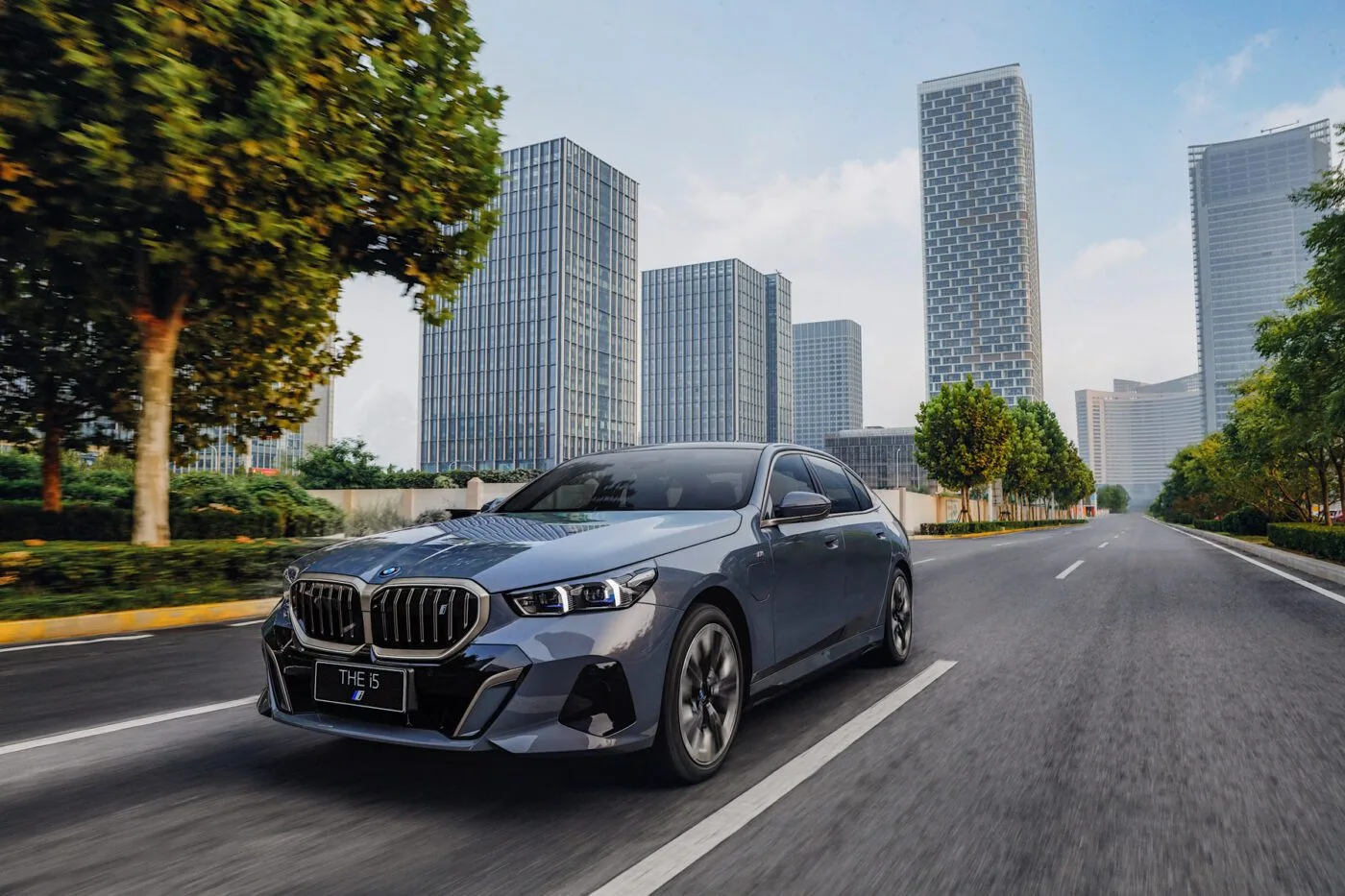
In terms of NEV models, the starting price of the electric BMW 5 Series dropped from nearly RMB 439,900 ($63,800) over the past two years to RMB 368,000 ($53,370), representing a decline of about 16.3%.

Another model that cut prices was the Aeolus L7 electric version, which lowered its price by RMB 30,000 ($4,350) to RMB 169,900 ($24,660), a reduction of roughly 15%.
Among gasoline-powered vehicles, price adjustments were mainly concentrated among luxury brands.
The Mercedes-Benz C-Class, Mercedes-Benz GLB and Mercedes-Benz GLC L all adjusted prices in February, along with the gasoline-powered BMW 5 Series, with overall reductions of around 12%.
As official guide price reductions become less frequent, promotional strategies are also shifting.

Data show that the average promotional discount for new energy vehicles rose to 10.4% in February 2026, up 0.5 percentage points year-on-year and 0.3 percentage points from the previous month.
Promotional activity has remained relatively stable in recent months. As direct price cuts become more constrained, new promotional approaches — including incentives such as seven-year low-interest financing — are helping sustain market activity, with the overall promotion level now stabilizing in the mid-to-high range of normal discount levels.
Discover more from ChinaEVHome
Subscribe to get the latest posts sent to your email.