- Li Auto will equip the L9 Livis with a 5C EREV system claiming 420 kW charging and 10–80% in 10 minutes.
- Li Auto pairs that with an in-house range extender offering a 30,000 km or 3-year maintenance interval.
- As rivals adopt big batteries and fast charging, Li Auto bets maintenance cost and charging speed will revive EREV appeal.
Years ago, the Li ONE entered the market with “no range anxiety” as its core hook, pulling the EREV (Extended Range Electric Vehicle) route from the fringes into the mainstream.

Before this, while other automakers had dabbled in range-extending tech, it never shook its label as a “transitional” solution and failed to penetrate the mass market. The success of the Li L-series forced the industry to rethink, solidifying a logic now widely accepted by consumers: use electricity for the daily commute, and keep gas as a safety net for the long haul. This shift fundamentally realigned the industry’s roadmap for the EREV segment.
As market demands evolved, more OEMs began pivoting their EREV strategies, ditching small batteries in favor of high-capacity packs.
Players like Leapmotor, IM Motors, and XPeng have already embraced this trend. The Leapmotor D19, for instance, packs a massive 80.3 kWh battery—larger than the packs found in many pure electric SUVs in its class. The goal is simple: minimize reliance on the range-extender and bring the driving experience as close to a pure BEV as possible.

In this climate, a large battery alone isn’t enough for the Li L-series to reclaim its lead.
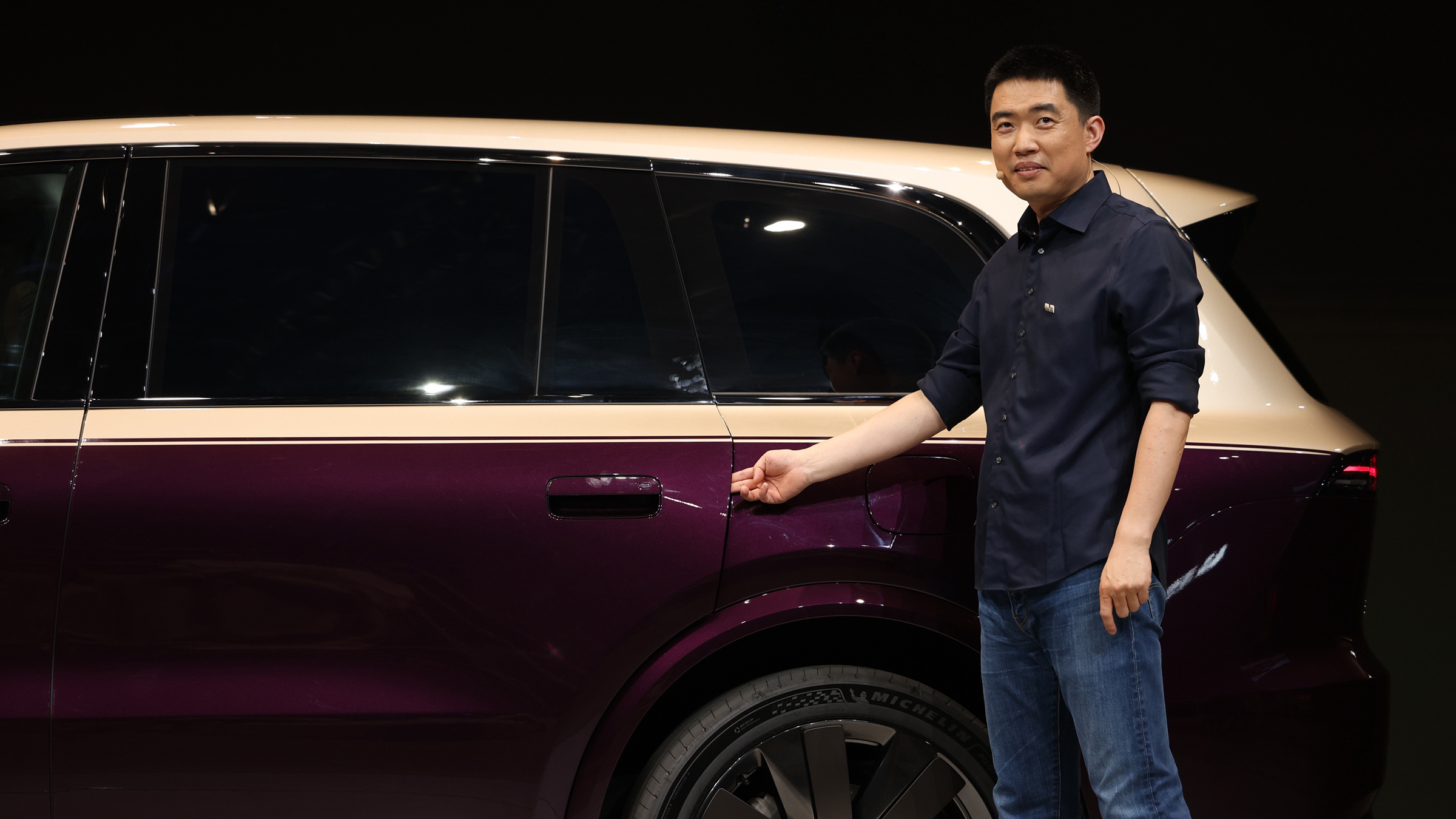
According to Li Xiang, the upcoming Li L9 Livis will feature a 5C EREV system supporting 420 kW ultra-fast charging, claiming a 10% to 80% charge in just 10 minutes. Paired with an in-house range-extender boasting a 30K km (18.6K miles) or 3-year maintenance cycle, Li Auto is betting on charging efficiency and lower ownership costs to create a new competitive edge.

Li Xiang has also redefined the use case for these vehicles, envisioning a future where owners use “electricity for the daily drive, electricity for the long haul, and gas for the wilderness.”
However, this raises a fundamental question: as EREVs increasingly mirror the BEV experience and fast-charging becomes the industry norm, how much value does range-extending tech actually have left?
Looking at current sales patterns, Li Auto’s momentum is shifting from the EREV L-series toward the pure electric i-series. In April, the company delivered 34K units, a month-on-month dip. The refresh of the L-series will be a critical anchor for deliveries in H2 2026.

The Li L9 Livis is set to launch on May 15. With high-capacity batteries and 5C charging now becoming the industry standard, Li Auto is attempting to stand out with its long-maintenance-cycle engine. Whether this combination can still move the needle for consumers, the market will soon decide.
Discover more from ChinaEVHome
Subscribe to get the latest posts sent to your email.