- RoboSense shipped 719.2K LiDAR units H1 2026, up 169.6% year‑over‑year.
- Robotics LiDAR surged 510.4% to 282.6K units while ADAS remained core at 436.6K.
- EM4 1,000‑line and new Phoenix/Peacock chips power wins with BYD, Toyota, DiDi, and WeRide.
Chinese LiDAR supplier RoboSense reported first-half 2026 shipment figures on July 9, showing strong growth across automotive and robotics markets. The company shipped 719.2K LiDAR units in the first six months of the year, up 169.6% year over year.
ADAS LiDAR shipments reached 436.6K units, rising 98.0% from a year earlier. Robotics LiDAR shipments totaled 282.6K units, jumping 510.4%.

In the second quarter alone, RoboSense shipped 388.9K LiDAR units. ADAS LiDAR shipments reached 291.8K units, up 135.7% year over year. Robotics LiDAR shipments stood at 97.1K units, climbing 182.3%.
The robotics business delivered faster growth, while automotive ADAS remains RoboSense’s core volume driver. The company’s automotive base is supported by its expanding product portfolio, in-house chip development capabilities, and growing vehicle program wins with automakers.
On the technology side, RoboSense adheres to a full-stack self-developed strategy. The firm recently rolled out its EOCENE SPAD-SoC chip-level platform, introducing two flagship chips dubbed Phoenix and Peacock.
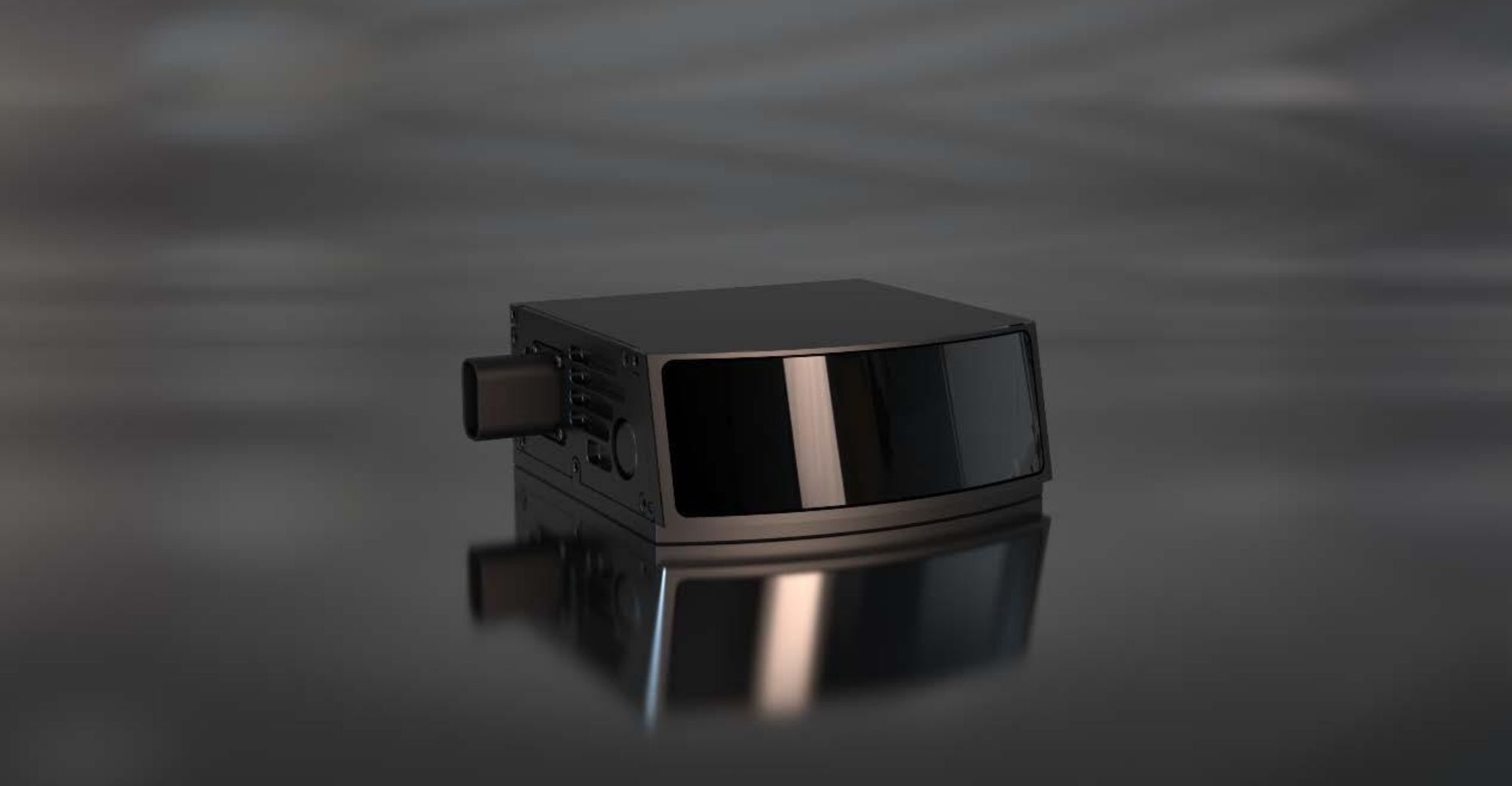
Based on its proprietary chip ecosystem, RoboSense has built a product lineup covering high-resolution EM-series LiDARs and E-series solid-state LiDARs. The EM4 is the world’s first mass-produced digital LiDAR capable of delivering more than 1,000 scanning lines. It supports customizable configurations ranging from 520 lines to 2,160 lines, with a maximum detection range of 600 meters.

In terms of vehicle applications, RoboSense continues to secure new contracts across multiple models. Its high-resolution EM platform products have already entered production on models including the Zeekr 8X and IM LS8. The company has also secured projects with models such as Toyota’s bZ3, further diversifying its customer base.
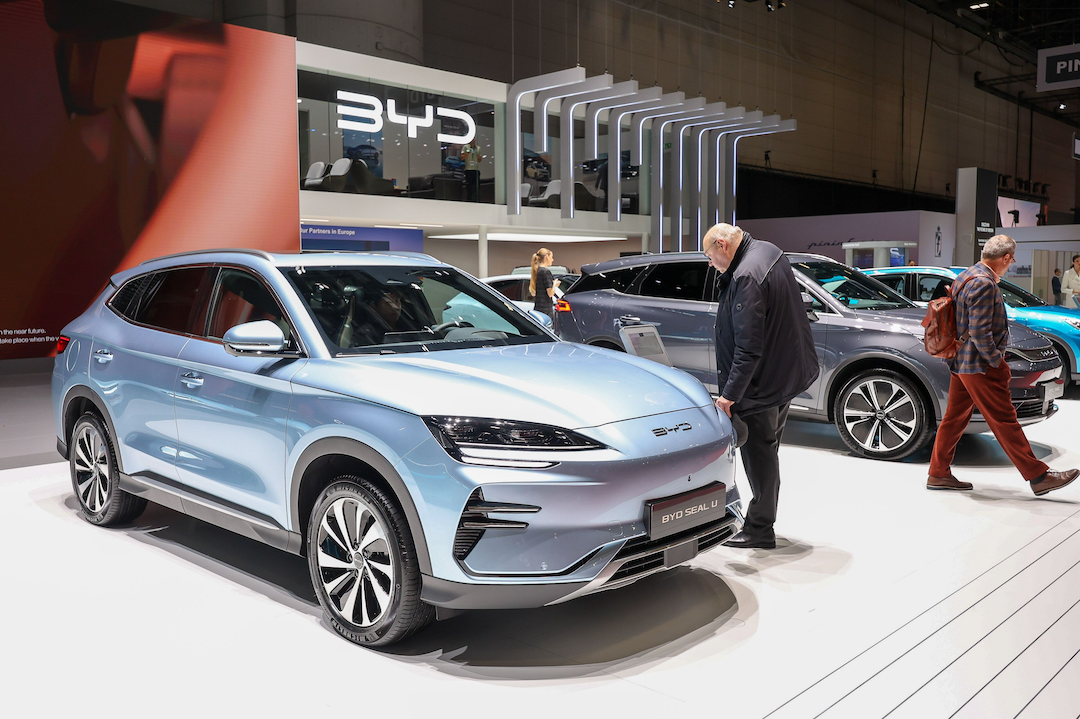
BYD remains one of RoboSense’s key automotive customers. As BYD maintained strong sales momentum in the first half of the year, RoboSense’s LiDAR installation orders also remained at a high level.
Beyond ADAS applications, RoboSense is expanding into the Robotaxi sector. The company has secured a project with DiDi Autonomous Driving, using an EM4 main LiDAR paired with an E1 solid-state blind-spot LiDAR.
In March, WeRide unveiled an upgraded Robotaxi GXR equipped with the same EM4 1,000-line LiDAR as the main sensor, paired with the E1 solid-state LiDAR for blind-spot coverage. The combination enables long-range object recognition and surrounding-area perception, supporting Robotaxi operations in all weather conditions.

The vehicle is scheduled to begin production in the third quarter of 2026, with plans to deliver 2K units throughout the year for commercial deployment across multiple domestic and overseas markets.
The growth of intelligent driving is creating additional demand for LiDAR suppliers. Data from the China Passenger Car Association, L2+ and higher-level intelligent driving penetration reached 32.3% in January 2025, rising to 42.7% by June 2026.
As adoption continues to expand, RoboSense’s automotive LiDAR shipments in the second half of the year will remain a key industry focus.
Discover more from ChinaEVHome
Subscribe to get the latest posts sent to your email.