- BYD's overseas sales surged to 789K H1 units, but global deliveries fell nearly 40% year-over-year.
- Battery supply, not demand, caps BYD growth as 255K Megawatt-Charging orders sit backlogged.
- BYD bets DaHan, 8‑Series Tang and nine new models plus expanded charging network will prove the turnaround.
Domestic pressure and overseas expansion — this has become the key theme for Chinese automakers in the first half of 2026. Even BYD has not been immune.
In the first half of this year, BYD sold 789K vehicles overseas, lifting overseas sales share from 21.9% to 43.6%. However, the company delivered 1.808M vehicles globally during the period, down nearly 40% from the same period in 2025. The figures highlight growing pressure in BYD’s home market.
Facing domestic challenges, BYD has shifted its focus back to China, launching a broad product optimization campaign across its lineup.
Including the long-range DM-i versions of models such as Qin L, Qin PLUS, Seal 05 and Song Pro launched in January, BYD introduced multiple new models and variants in the first half of 2026.

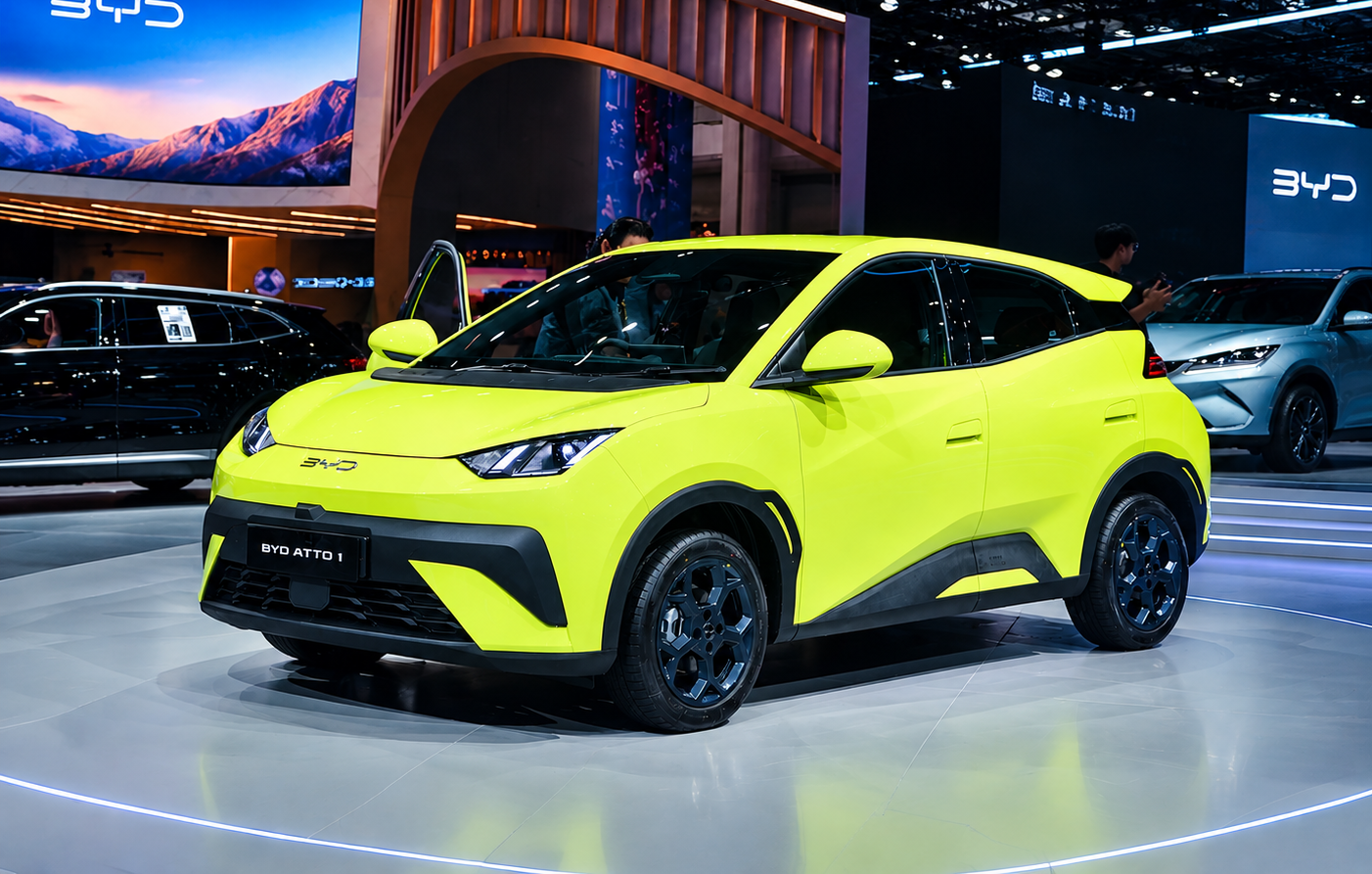
The refreshed lineup covers entry-level models like the Seagull with a starting price of RMB 69.9K ($10.3K), as well as premium vehicles including Denza N9 and Denza D9 priced up to RMB 469.8K ($69.4K).
However, filling product gaps alone may not be enough for BYD to fully reverse its domestic sales decline.
Many of the new models, including the pure electric Seal 07, feature BYD Megawatt Charging. The key question is whether these upgrades can generate meaningful incremental demand in China’s increasingly competitive EV market.
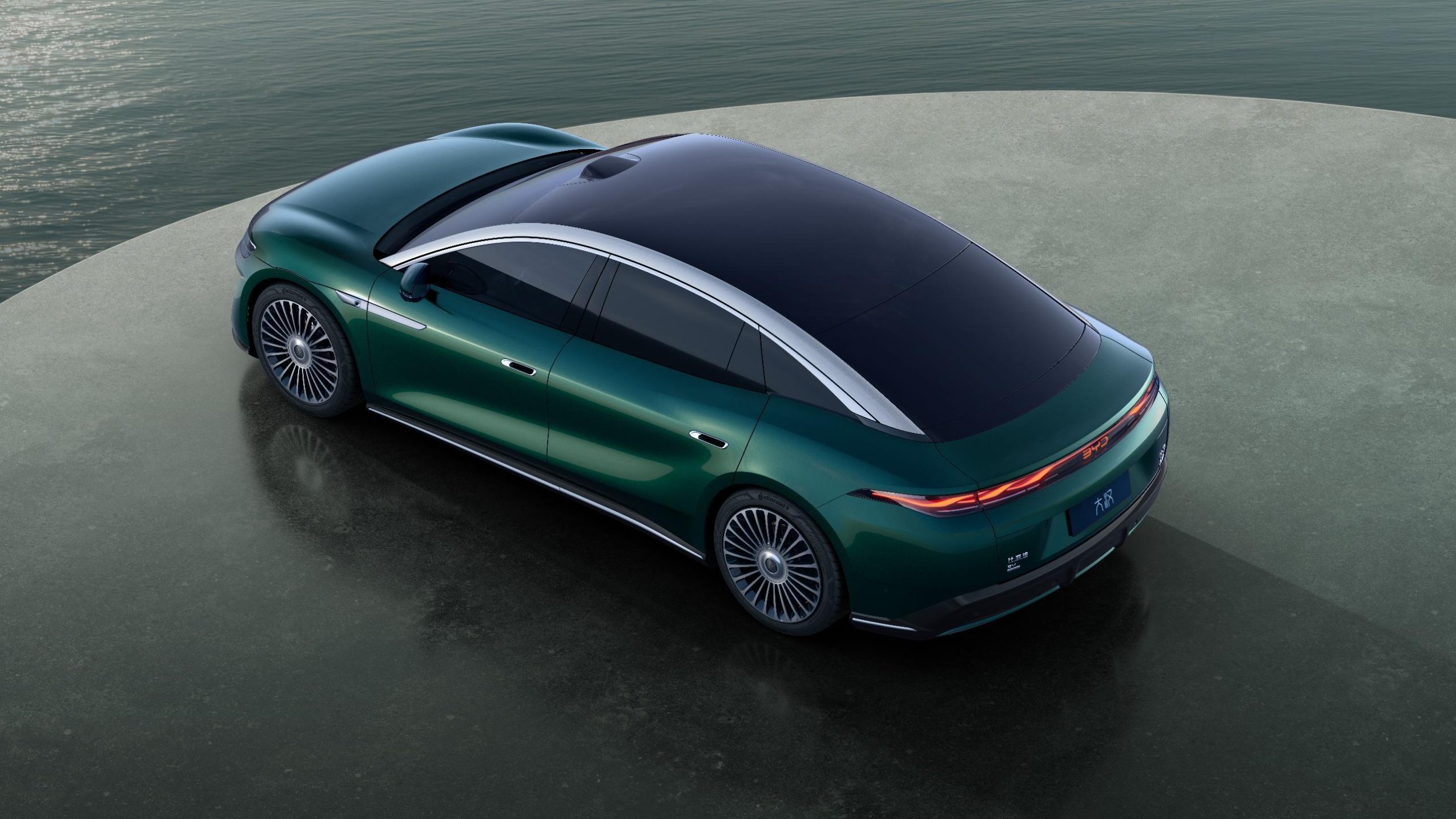
In the second half of 2026, BYD plans to launch at least nine additional models. The upcoming lineup includes the DaHan flagship sedan, Fang Cheng Bao Tai 9, the 8-Series Tang and other products.
This new product wave is expected to become a major test for BYD. The question remains: Can BYD’s latest models help the company stop the domestic sales decline and regain momentum in China?
Is Megawatt Charging Paying Off?
To assess BYD’s new model prospects in the second half of 2026, the performance of vehicles launched in the first half offers important clues.
BYD’s second-generation Megawatt Charging technology, unveiled on March 5, became one of the company’s most important technology bets for 2026.
The rollout has been aggressive. BYD aims to bring the technology to mainstream models priced around RMB 150K ($22.2K) within the year, seeking to quickly reshape consumer expectations around EV charging speed.

From the Song Ultra EV starting at RMB 151.9K ($22.4K) to the new Denza Z9GT starting at RMB 269.8K ($39.9K), Megawatt Charging technology has expanded across BYD’s mid-to-high-end lineup, gradually replacing previous-generation systems.
However, more than three months after the launch, the effectiveness of this strategy remains uncertain.
Although Megawatt Charging models have attracted strong initial order volumes, production constraints have limited deliveries. Many of these models have struggled to appear in monthly top 10 sales rankings over the past three to four months.
The Song Ultra EV provides a clear example. The model launched on March 26, with BYD announcing more than 60K orders in the first month. However, registration data from the first full sales month showed only 5,940 units. Nearly four months after launch, the Song Ultra EV reached its highest monthly sales figure in May, at 9,877 units, still falling short of its early order momentum.
The model also faced some order transfers from its predecessor, the Song Plus EV, which entered the later stage of its lifecycle. Still, its launch orders were strong. The question is why terminal deliveries failed to match the early demand.
BYD’s explanation points to battery supply. The second-generation Blade Battery serves as the hardware foundation for Megawatt Charging technology.

At BYD’s June shareholder meeting, Chairman Wang Chuanfu said, “How many vehicles BYD can sell this year does not depend on orders, but on battery output.” Battery production has become the key bottleneck limiting further sales growth.
As a result, many of BYD’s top-selling models in the first half of the year were not dependent on Megawatt Charging technology. The BYD Yuan Up and Song Pro DM-i ranked first and second among the company’s best-selling models, with average monthly sales exceeding 13K units and 12K units respectively.
BYD said Megawatt Charging models across its brands have accumulated more than 255K backlogged orders, making rapid fulfillment difficult.
To address the supply constraint, Wang Chuanfu said second-generation Blade Battery production is increasing by 20K-30K units per month. Larger-scale capacity expansion is expected to arrive in 2027, supporting stronger sales growth.
The impact is already appearing in sales rankings. The Sealion 05 EV and Song Ultra EV, both equipped with the second-generation Blade Battery and Megawatt Charging technology, have entered BYD’s monthly top 10 sales list since April after completing their product upgrades.
Based on these developments, Wang Chuanfu said in June that “the worst is over.”
CLSA also said in a mid-July research note that BYD has completed its market bottoming process and is expected to regain a leading position in the second half of the year. The brokerage expects production capacity for second-generation Megawatt Charging models to gradually ramp up in the second half, accounting for around 30% of BYD’s total 2026 deliveries. New models equipped with the technology are also expected to achieve average price premiums of RMB 5K-20K ($740-$2,950).
Standing Still?
BYD built 7,018 Megawatt Charging stations in the first half of 2026, covering 325 cities across China.
For comparison, Li Auto, another automaker pursuing ultra-fast charging, had 4,114 supercharging stations as of 7 p.m. on July 27. NIO, which began building its own charging network earlier, operates 5,132 NIO Energy charging stations.
BYD’s Megawatt Charging station locations and operating model remain under debate. However, the rapid expansion reflects BYD’s ambition to build a new competitive advantage.
In the second half of the year, BYD’s new model strategy will continue to center around Megawatt Charging technology, using different approaches to push the brand further upmarket.

The most closely watched launches will be BYD’s next-generation flagship models. BYD plans to introduce the flagship DaHan sedan and the 8-Series Tang SUV in the second half of the year.
The DaHan, measuring more than 5.2 meters in length, will receive upgrades over the current Han and Han L in several key areas. The model will feature improved chassis performance with front double-wishbone suspension and a rear five-link all-aluminum suspension setup. It will also move to BYD’s e-Platform 4.0 architecture, support faster charging with 10%-97% replenishment in as little as 9 minutes, and offer a CLTC pure electric range of up to 1,008 km.
The 8-Series Tang will complement the business-focused DaTang SUV with a more family-oriented positioning. The flagship SUV is expected to offer more than 800 km of pure electric range. It is also expected to feature BYD’s DiSus-A dual-chamber air suspension, God’s Eye B intelligent driving system and other advanced configurations. The model is likely to match the DaTang in cabin comfort and smart technology.
The performance of the DaHan and 8-Series Tang will help redefine BYD’s competitiveness in the RMB 250K-350K ($36.9K-$51.7K) price segment. However, this segment has long exposed BYD’s weaknesses in understanding intelligent features and premium comfort.
Another familiar strategy is BYD’s continued focus on the mainstream mass market. The Sea Lion 08 and new Yuan Up are expected to launch between July and August. The current Yuan Up has been BYD’s best-selling model in 2026 so far. Its upgraded version will play a key role in strengthening BYD’s sales foundation.

Meanwhile, Fang Cheng Bao’s Bao 9, S GT and the 2026 plug-in hybrid Tai 7 are targeting the rugged SUV market. Denza, BYD’s premium brand, is also preparing the pure electric Denza Z sedan. With BYD’s technology support, the model aims to create a new market segment, increase average vehicle margins and reshape brand profitability.
In the second half of the year, BYD’s second-generation Blade Battery and intelligent driving capabilities will face major market tests. The company is entering a more competitive environment, with Geely Galaxy, Leapmotor, Xiaomi and AITO strengthening their positions across BYD’s core price ranges.
Wang Chuanfu’s view that “the worst moment has passed” still needs market validation. The outcome depends not only on how many vehicles BYD can deliver with the second-generation Blade Battery, but also whether its RMB 250K-350K ($36.9K-$51.7K) models can close the gap with leading rivals after adopting end-to-end intelligent driving systems.

Looking back at BYD’s second-half strategy, the overall approach remains familiar. The company continues to combine entry-level volume models with premium products. Models such as Yuan Up and Qin L will defend the mainstream market, while flagship vehicles including the DaHan, 8-Series Tang and Denza models will drive the push into higher segments.
This strategy closely follows BYD’s first-half approach. However, signs of weakening domestic momentum became increasingly visible in the first half of the year. Geely, Leapmotor and other rivals are rapidly catching up. For BYD, the biggest risk is not losing ground overnight — it is standing still while the market moves forward.
Discover more from ChinaEVHome
Subscribe to get the latest posts sent to your email.