- CATL is deploying its Choco‑Swap battery‑swap network to enable passenger vehicles to use lower‑density sodium‑ion packs, linking infrastructure growth to broader chemistry diversification and urban range reassurance.
- Choco‑Swap had 2,520 stations across 200 cities and nearly 20,000 packs deployed by end‑September 2026, with a target above 3,000 stations and 10,000–20,000 sodium‑equipped vehicles forecast for 2026.
- The initiative targets urban commuters and legacy EV rivals reliant on LFP/ternary cells, but faces execution risks from scaling station coverage, interoperability rollout, lower sodium energy density and leasing economics.
CATL is seeking to use its expanding battery-swapping network to accelerate the adoption of sodium-ion batteries in passenger vehicles, Bloomberg reported on Tuesday.
CATL Chairman Robin Zeng said sodium-ion batteries now offer sufficient driving range for everyday urban commuting.
Speaking at an event hosted by Benchmark Mineral Intelligence in Shanghai on Tuesday, Zeng said the expansion of battery-swapping infrastructure could also ease concerns about range during longer weekend trips.
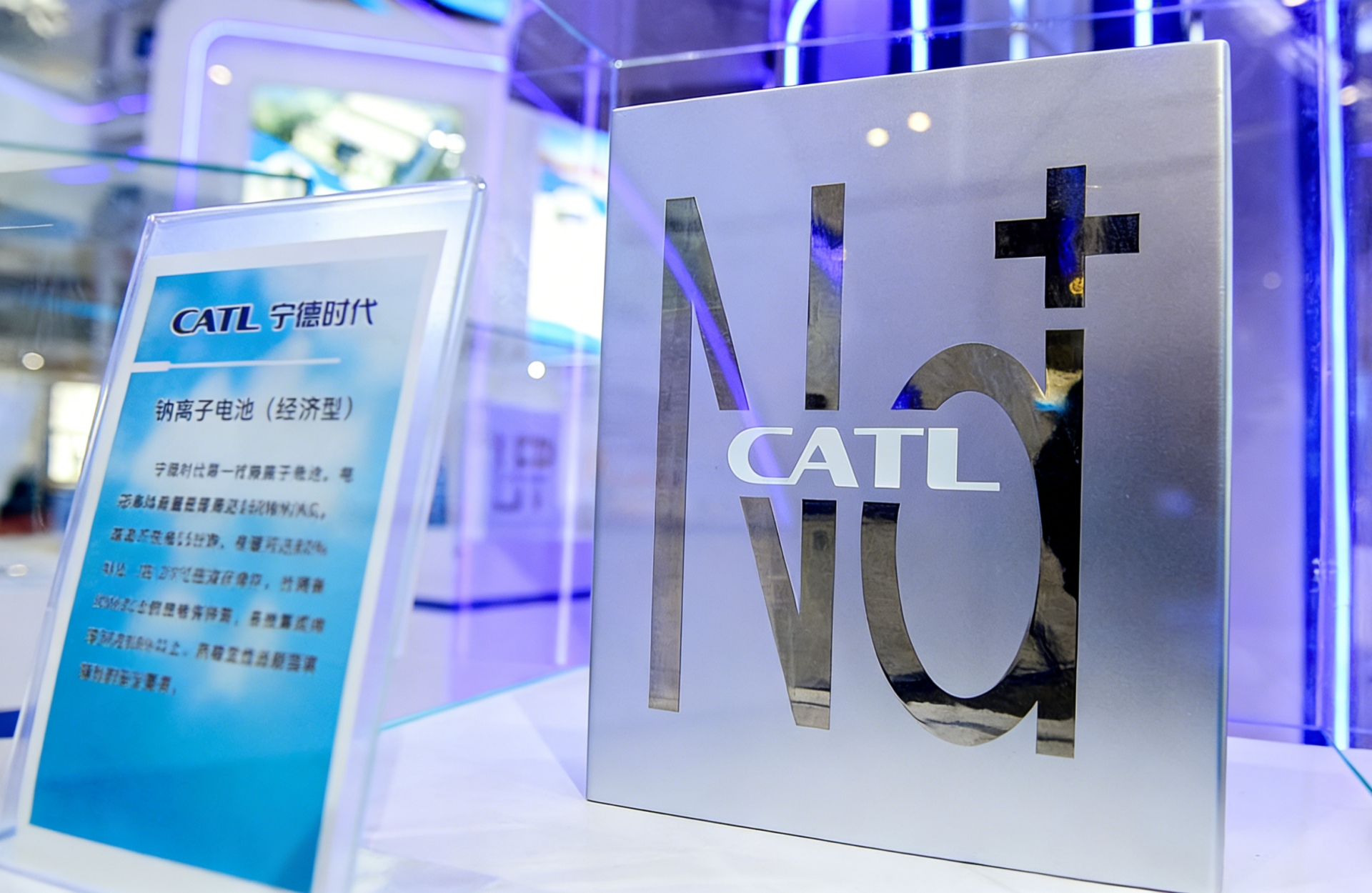
Compared with lithium iron phosphate (LFP) and ternary lithium batteries, sodium-ion batteries offer potential advantages in raw material costs, safety and low-temperature performance.

Sodium is relatively abundant, allowing battery manufacturers to reduce their reliance on lithium resources and providing an alternative cost option when lithium prices fluctuate.
However, sodium-ion batteries still have lower energy density than mainstream lithium-based batteries, meaning they deliver less driving range at the same weight.
This has been one of the main barriers to their wider adoption in passenger vehicles.
CATL is seeking to mitigate this limitation through battery swapping.
Unlike conventional charging, swapping allows drivers to replace a depleted battery pack with a fully charged one, reducing their dependence on the range available from a single charge.
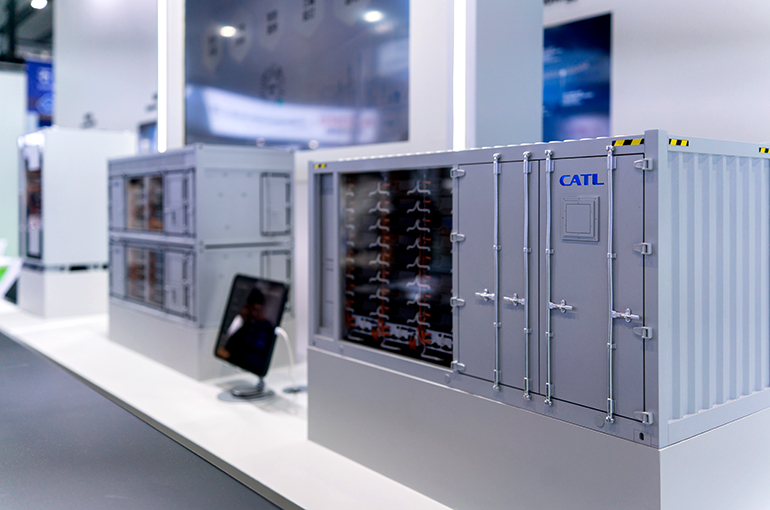
CATL’s Choco-Swap service, operated by its subsidiary CAES, uses standardized battery packs and supports interoperability between lithium-ion and sodium-ion packs.

This creates the conditions for different battery chemistries to be deployed on the same vehicle platforms and within a shared swapping network.
Zeng said CATL is building its own battery-swap stations and offering services to consumers through battery leasing.
The network will need to expand further across cities and along highways.
According to figures previously released by CATL, Choco-Swap had built 2,520 battery-swap stations by the end of September 2026, covering 200 cities across all 31 provincial-level regions in China.
Nearly 20,000 battery packs had been deployed across the network.
CATL previously set a target of expanding its passenger vehicle battery-swap network to more than 3,000 stations by the end of this year.
The network expansion is also linked to recent organizational changes in CATL’s passenger vehicle business.
In mid-October, Yang Jun, CEO of CAES, was appointed co-president of the company’s marketing system, with responsibility for coordinating its passenger vehicle battery business and Choco-Swap ecosystem.

The move brings battery operations and swapping services under the same management structure.
It also reflects CATL’s efforts to improve coordination across battery products, sales channels and energy replenishment infrastructure.
In terms of vehicle deployment, CATL previously forecast that between 10,000 and 20,000 electric vehicles would be equipped with its sodium-ion batteries in 2026.
For CATL, developing sodium-ion batteries is not simply about adding another battery chemistry to its portfolio. It is also a supply-chain risk management strategy.
Given the relative abundance of sodium resources, sodium-ion batteries could reduce the company’s dependence on lithium and give it greater flexibility in managing supply and costs when lithium prices are volatile.
Discover more from ChinaEVHome
Subscribe to get the latest posts sent to your email.