- CATL has reshuffled senior passenger-vehicle roles, moving its battery-swap chief into a market co-president role, signaling a strategic shift to align swapping with broader commercial strategy and sales channels.
- CATL led China power-battery installs Jan–Sep 2026 with 253.68 GWh and 44.16% market share, and Choco-swap had 2,520 stations and nearly 20,000 stocked batteries by end-September 2026.
- The swap push targets OEMs exploring alternative energy replenishment versus battery ownership, but risks include supplier diversification by automakers, scaling the swap network to 3,000 stations, and inventory/margin pressures.
CATL is undergoing a reshuffle of several key positions within its passenger vehicle business, according to a Chinese media report.
Yang Jun, head of CATL’s battery-swapping business and CEO of Times Electric Service, will succeed Han Wei as co-president of the company’s market system. Han will return to the commercial vehicle business.
Gao Huan, CATL’s chief technology officer for passenger vehicles, will take over the business overseen by Wang Hui, vice president of the company’s domestic passenger vehicle business. Wang will also return to the commercial vehicle business.

Han has long been responsible for CATL’s commercial vehicle power battery business before moving to the passenger vehicle market in March 2023.
Yang, meanwhile, has been deeply involved in building and operating CATL’s battery-swapping operations.
He serves as general manager of the battery-swapping business and oversees swapping services for both passenger and commercial vehicles.
CATL remains the market leader in power batteries. According to data from the China Automotive Power Battery Industry Innovation Alliance, CATL ranked first in China from January to September 2026.
Its installed capacity reached 253.68 GWh and captured a market share of 44.16%. Its domestic power battery installation share alone reached 40.92% in September.

However, its strong market position has coincided with a growing willingness among automakers to diversify their battery procurement.
To reduce reliance on a single supplier, some automakers are adding secondary suppliers, developing their own batteries and tightening control over their supply chains.
For the 2026 model year, Li Auto’s i6 switched its battery suppliers from CATL and Sunwoda to Sunwoda and CALB, with the battery cells developed and manufactured in-house by Li Auto.
Xiaomi Auto unveiled its “longjia” battery in September and entered into strategic partnerships with CALB and Sunwoda Power to supply cells for its SkyNomad series.
The reshuffle of CATL’s passenger vehicle business may be part of a broader effort to reassess its commercial strategy and coordinate resources across internal divisions.
Yang’s appointment as co-president of the market system also carries implications for battery swapping.
Given his long-standing responsibility for the business, he may be better positioned to coordinate battery sales with the development of the swapping network.
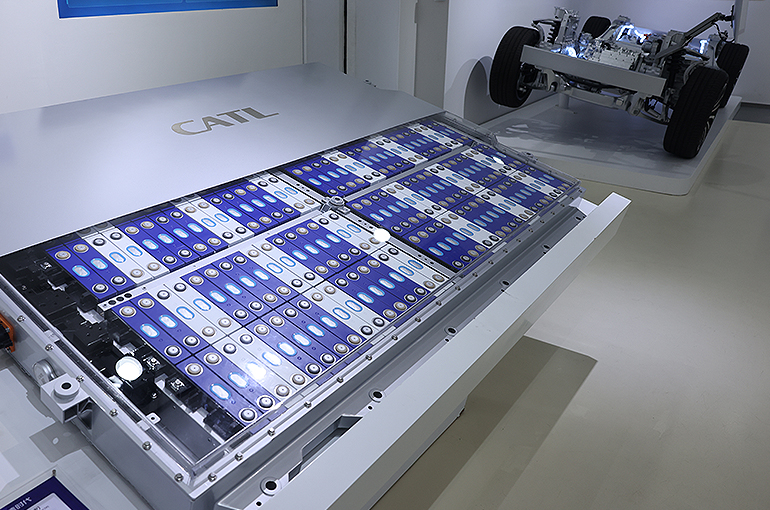
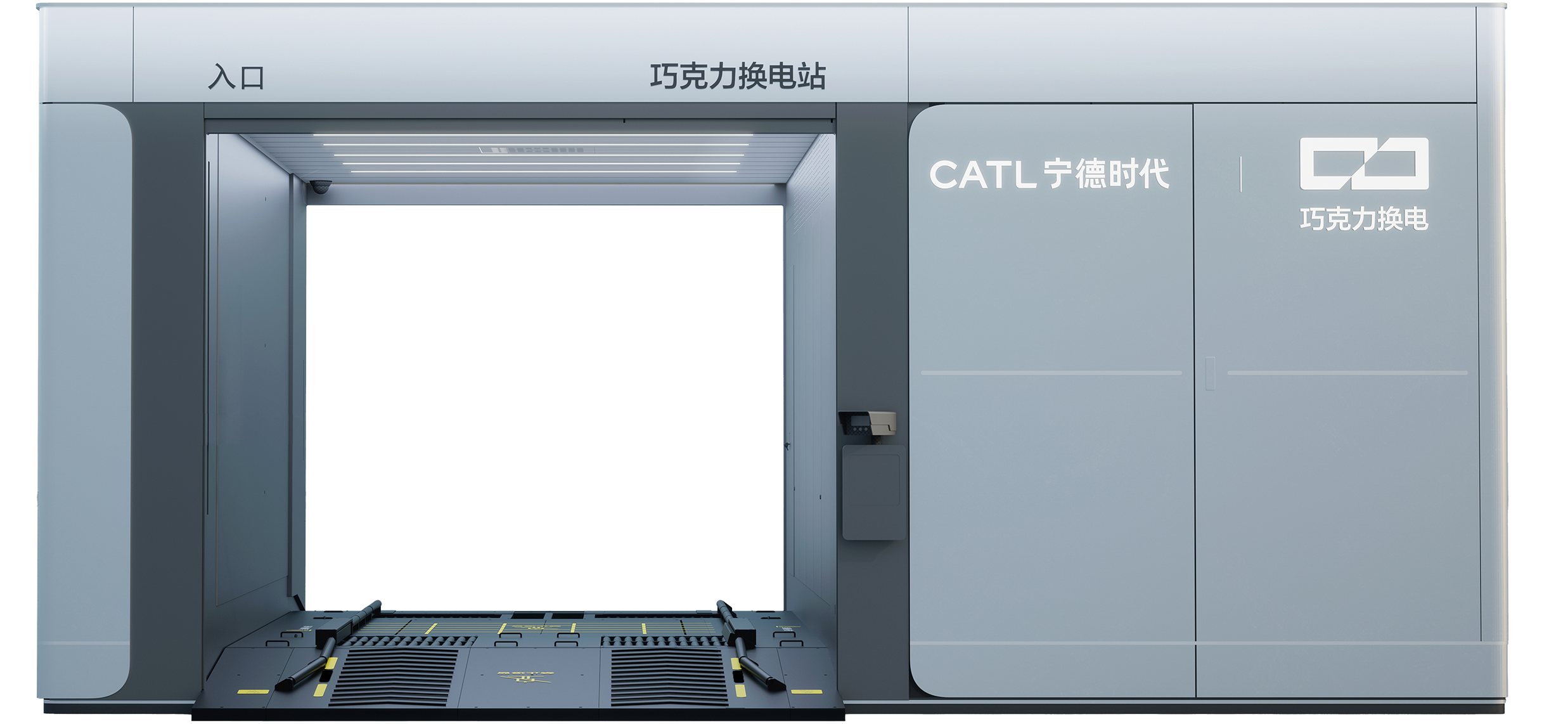
CATL launched its Chocolate battery-swapping brand in 2022, seeking to provide energy replenishment services to different automakers through standardized batteries and a shared swapping network.

As of the end of September 2026, Choco-swap had built 2,520 swapping stations across 31 provincial-level regions and 200 cities nationwide, with nearly 20,000 batteries stocked at its stations.
CATL had previously set a target of expanding the network to more than 3,000 stations by the end of 2026.
Market demand is also providing a favorable backdrop for battery swapping.
In September 2026, NEVs accounted for 67.0% of passenger vehicle retail sales and 65.4% of wholesale sales, both record highs.
As NEVs become more widespread, competition over energy replenishment methods and battery supply models is likely to become increasingly diverse.
Discover more from ChinaEVHome
Subscribe to get the latest posts sent to your email.