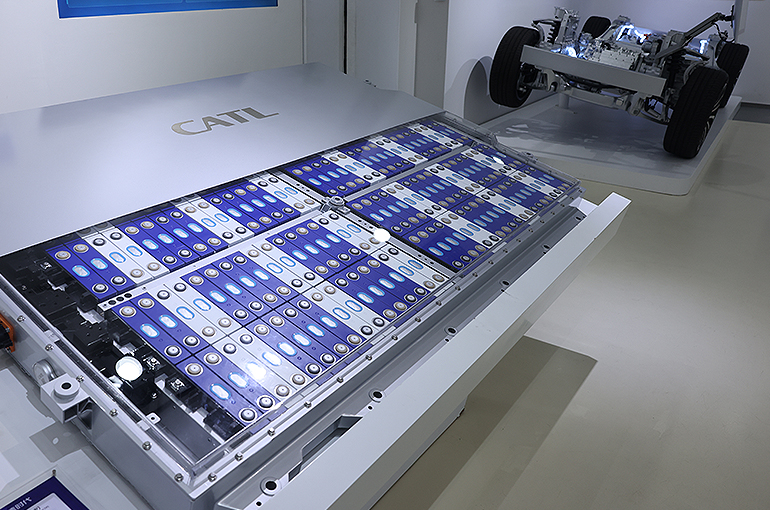
- China-centered supply surge lifts CATL to wider lead, reflecting manufacturers shifting production and procurement to domestic cell suppliers amid intense price and share competition.
- CATL installed 333 GWh Jan–Aug, up 25.2% year‑on‑year and 39.4% global share; BYD 127.9 GWh (15.1%); global installations reached 844.2 GWh, up 19.7%.
- Main rivals include BYD, LG Energy Solution and Panasonic, but execution risks include slowing demand growth, regional disparities, supply scaling and margin pressure for second‑tier suppliers.
Global power battery installations for electric vehicles—including EVs, PHEVs and HEVs —reached 844.2 GWh in the first eight months of 2026, up 19.7% year on year, according to the latest data from South Korean market research firm SNE Research.
Installations totaled 116.8 GWh in August, up 14.3% year on year. Growth slowed from 23.3% in July, bringing the cumulative growth rate for January-August below 20%.

Regional disparities in the global automotive battery market widened in the first eight months of 2026.
China recorded 483.7 GWh in installations, up 16.9% year on year and accounting for 57% of the global total.
Installations grew 29.2% in Europe, 76.0% in other Asian markets and 179.9% in South America.
North America moved in the opposite direction, with installations falling 23.7% year on year to 73.1 GWh.
Among the world’s 10 largest power battery suppliers, Chinese companies occupied seven positions, with a combined market share of 73.3%, up 3.6 percentage points from a year earlier.
By contrast, the combined share of the three South Korean and Japanese companies in the top 10 fell to 14.5%, down 3.3 percentage points year on year.

CATL and BYD retained the top two positions. Their combined installations reached 460.9 GWh in January-August, representing 54.6% of the global market.
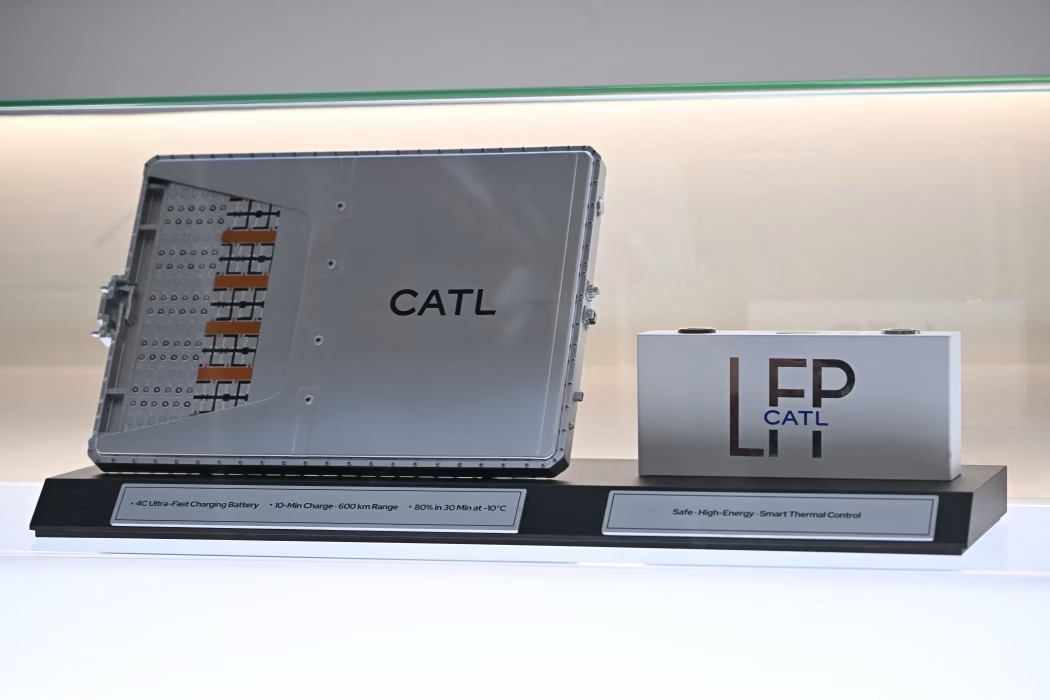
CATL remained firmly in first place, with installations rising 25.2% year on year to 333 GWh. Its global market share increased by 1.7 percentage points to 39.4%.
BYD ranked second, with installations of 127.9 GWh, up 6.2% year on year. Its global market share fell to 15.1% from 17.1% in the same period last year.
SNE Research said BYD’s battery installations are closely tied to its own vehicle sales, meaning the figures reflect a slowdown in the growth of its domestic vehicle sales.
China’s second-tier battery suppliers generally maintained growth rates of around 30% or higher. CALB ranked fourth, with installations of 44.4 GWh, up 32.6% year on year.

Gotion High-Tech ranked fifth, with 41.5 GWh, up 47.1%. EVE Energy recorded 29.5 GWh, an increase of 53.9%, while SVOLT Energy reached 22.0 GWh, up 39.3%.
REPT Battero posted the fastest growth among the top 10 suppliers. Its installations surged 126.3% year on year to 20.3 GWh, placing it tenth, ahead of Sunwoda in eleventh place with 19.3 GWh.
South Korean and Japanese battery makers delivered relatively subdued results. LG Energy Solution ranked third, with installations of 68.3 GWh, up just 0.9% year on year.
Panasonic ranked sixth with 29.7 GWh in installations, while SK On recorded 24.9 GWh, down 14.5% from a year earlier.
Discover more from ChinaEVHome
Subscribe to get the latest posts sent to your email.