- Xiaomi is taking direct control of battery development by partnering with CALB and Sunwoda Power to create the Longjia Battery, integrating cell, pack, and quality oversight across the supply chain.
- The SkyNomad N70 Max and N90 Max will use the new pack and opened pre-orders at RMB 259.9K (about $38.74K) and RMB 299.9K (about $44.69K), respectively, with both models launching September 7.
- The SkyNomad targets the RMB 200K–300K family-SUV segment dominated by Li Auto, AITO and Leapmotor, but demand erosion, ramp timing, and Xiaomi’s need to hit 550K units pose execution and margin risks.
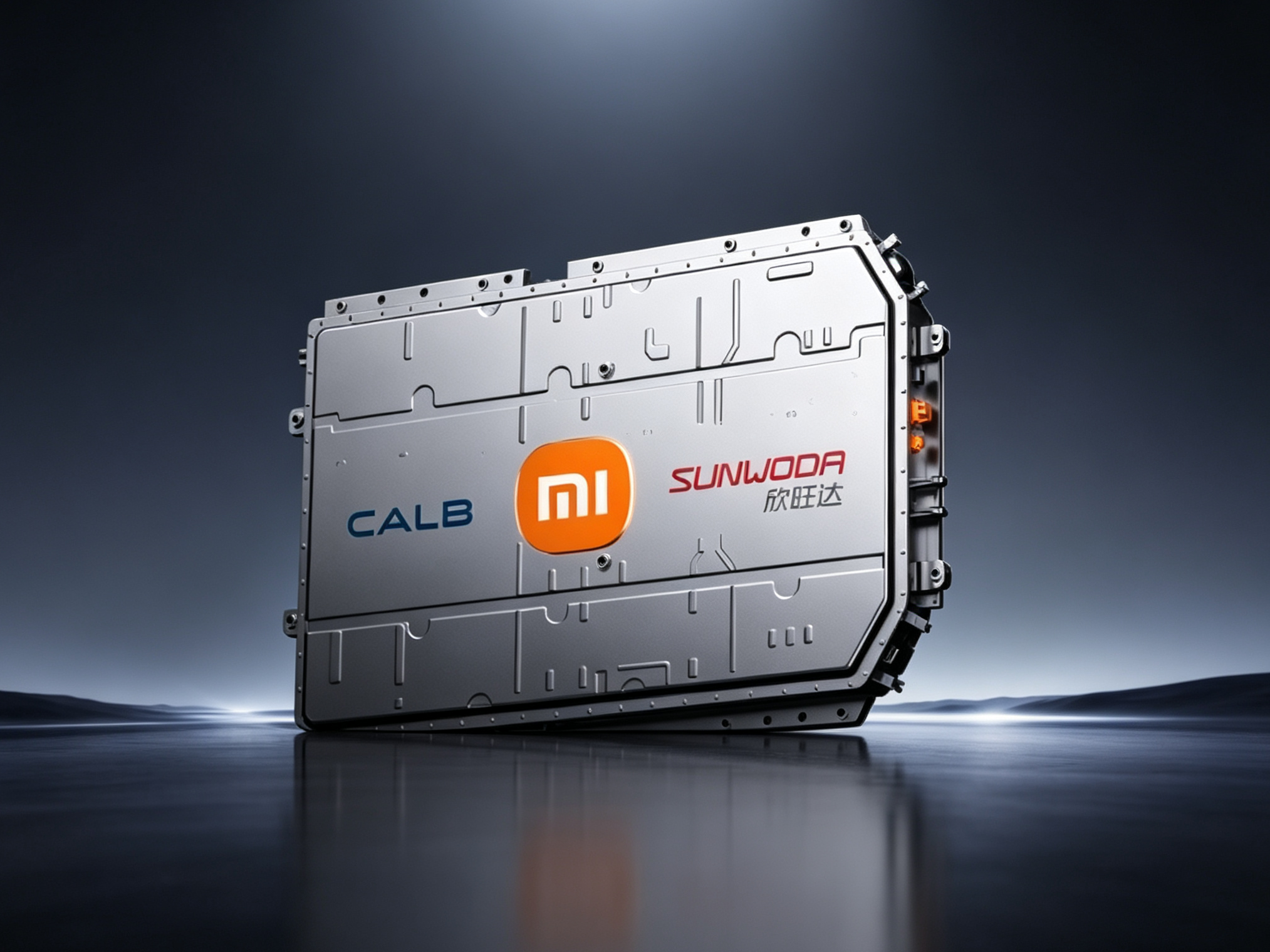
Xiaomi Auto has signed a strategic battery partnership with CALB and Sunwoda Power for its new “Xiaomi Longjia Battery,” the automaker announced on September 4.
The three companies will work on making battery standards more transparent and easier to verify. Xiaomi also launched the “Longjia Battery Peace-of-Mind Program,” which will provide battery safety coverage for first owners of vehicles equipped with the new pack.

Unlike traditional automakers that mainly source batteries from suppliers, Xiaomi is taking a more hands-on role in battery development. The automaker will define the Longjia Battery’s product specifications, lead battery-pack design and development, participate in cell design, and oversee quality across the entire supply chain, from raw materials and cell production to pack assembly and vehicle installation.
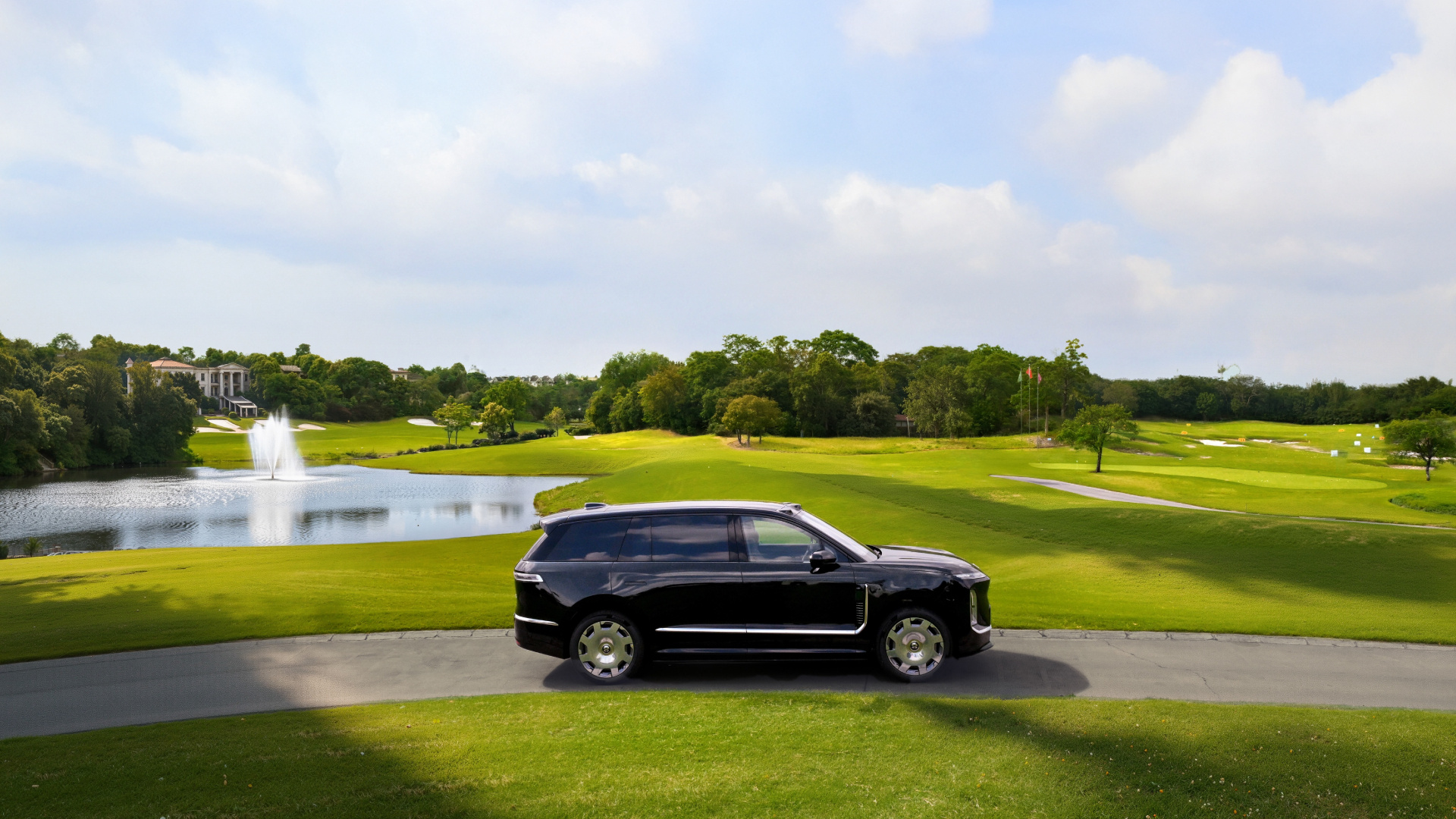
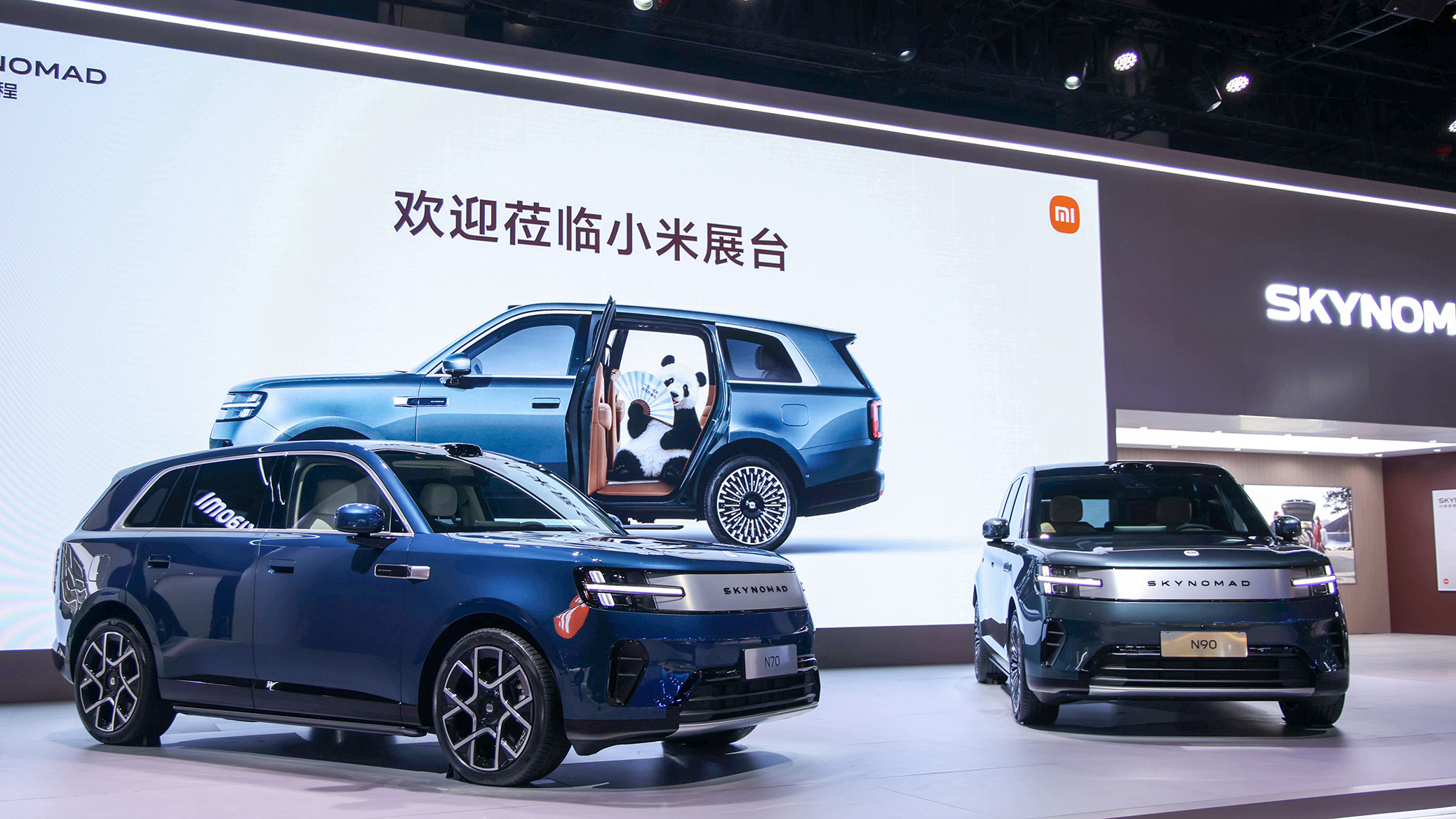
The battery will first be used in Xiaomi’s upcoming SkyNomad models.

The SkyNomad N70 Max and N90 Max opened pre-orders on July 30 at RMB 259.9K ($38.74K) and RMB 299.9K ($44.69K), respectively. The N70 Max is a large five-seat range-extended SUV, while the N90 Max is a large seven-seat range-extended SUV. Both models are set to officially launch on September 7.
Xiaomi’s SU7 and YU7 have so far relied mainly on battery suppliers such as CATL. Adding CALB and Sunwoda Power expands Xiaomi’s supplier pool while giving the automaker more room to manage costs through supply-chain diversification.
That matters for the SkyNomad lineup, which targets the RMB 200K–300K ($29.80K–$44.70K) price range.

The two new SUVs are entering a range-extended EV market that is already losing momentum. China’s range-extended vehicle wholesale sales totaled about 504K units in the first half of 2026, down 13.1% YoY. June sales fell 25.2% YoY to about 94K units, cutting the segment’s market share to 6.4%.
Li Auto, AITO, Leapmotor, and other brands have already built strong customer bases in the segment. Meanwhile, longer pure-EV ranges and faster charging are eroding one of range extenders’ biggest selling points: freedom from range anxiety.
That puts more pressure on Xiaomi to price the SkyNomad models aggressively and win share.
The challenge extends beyond product competitiveness. Xiaomi also needs the new lineup to carry more of its sales load.

Xiaomi Auto delivered more than 30K vehicles in August, marking the fifth straight month above that level. Deliveries reached about 246K units in the first eight months of 2026. With a full-year target of 550K vehicles, Xiaomi still has more than 300K units to deliver in the remaining four months.
As competition intensifies in pure EVs and the range-extended market enters a correction phase, Xiaomi is counting on SkyNomad to push deeper into the family-SUV market. A broader battery supply base could also help contain costs and sharpen the models’ price competitiveness.
If the N70 and N90 ramp up quickly after their September launch, they could become Xiaomi’s key volume drivers in the second half of the year and give the automaker a better shot at its 550K-unit target.
Discover more from ChinaEVHome
Subscribe to get the latest posts sent to your email.