- Pony.ai accelerated commercial robotaxi deployments, expanding Gen‑7 fully driverless operations domestically and beginning European and Middle East rollouts to monetize fare growth and scale fleet size.
- Robotaxi revenue hit $17.8 million (RMB 119 million) in Q3, total revenue was $44.6 million (RMB 299 million), fleet reached 2,768 vehicles targeting 3,500 by year‑end, and overseas deployments planned over 4,000 vehicles.
- Direct competition targets legacy taxi and ride‑hail services and global AV startups, but execution risks include meeting delivery and scaling targets, sustaining margins, regulatory approvals, and profitable unit economics.
Autonomous driving company Pony.ai released its unaudited financial results for the third quarter ended September 30, 2026, on November 18.
Pony.ai reported total revenue of $44.6 million (RMB 299 million) in the third quarter, up 75.2% year over year. Its Robotaxi and Robotruck businesses remained the main drivers of revenue growth.

Robotaxi revenue stood out, reaching $17.8 million (RMB 119 million), up 165.4% YoY and accounting for approximately 40% of total quarterly revenue.
The growth was primarily driven by the expansion of commercial operations using its seventh-generation (Gen-7) Robotaxis and increased vehicle deliveries under overseas joint deployment programs. Passenger fare revenue alone surged nearly 400% YoY.
Pony.ai’s Robotaxi fleet is also expanding rapidly.
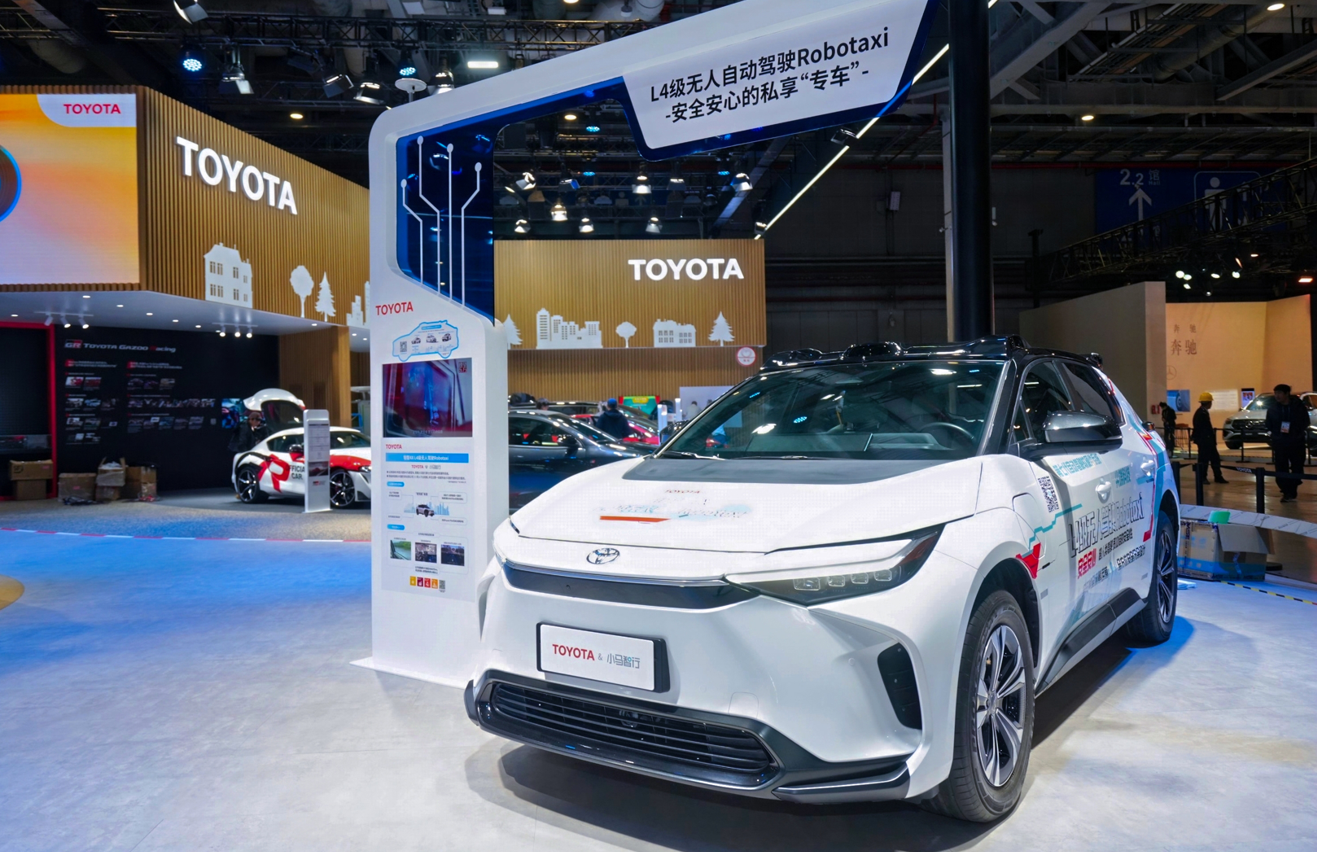
As of September 30, the fleet had grown to 2,768 vehicles, putting the company on track toward its year-end target of 3,500. All three Gen-7 Robotaxi models based on vehicles from BAIC, GAC and Toyota have entered fully driverless commercial operations.

The company is also expanding its domestic operating footprint. In Guangzhou, its service areas now form a continuous operating zone covering more than 1,000 square kilometers across the central urban districts and Nansha. In Shenzhen, Pony.ai is the only operator providing fully driverless commercial Robotaxi services at Bao’an International Airport.
Pony.ai has also begun deployments in Shanghai’s Pudong district, Hangzhou, Chongqing and Zhuhai’s Hengqin area. On November 16, the company and Toyota launched demonstration operations in Guangzhou using their jointly developed seventh-generation Robotaxi based on the Toyota bZ4X.

Overseas expansion is also gaining momentum.
In September, Pony.ai launched Europe’s first fully driverless passenger-carrying tests in Zagreb, Croatia. It is also advancing deployment plans in major European cities with higher fare potential, including London and Manchester.
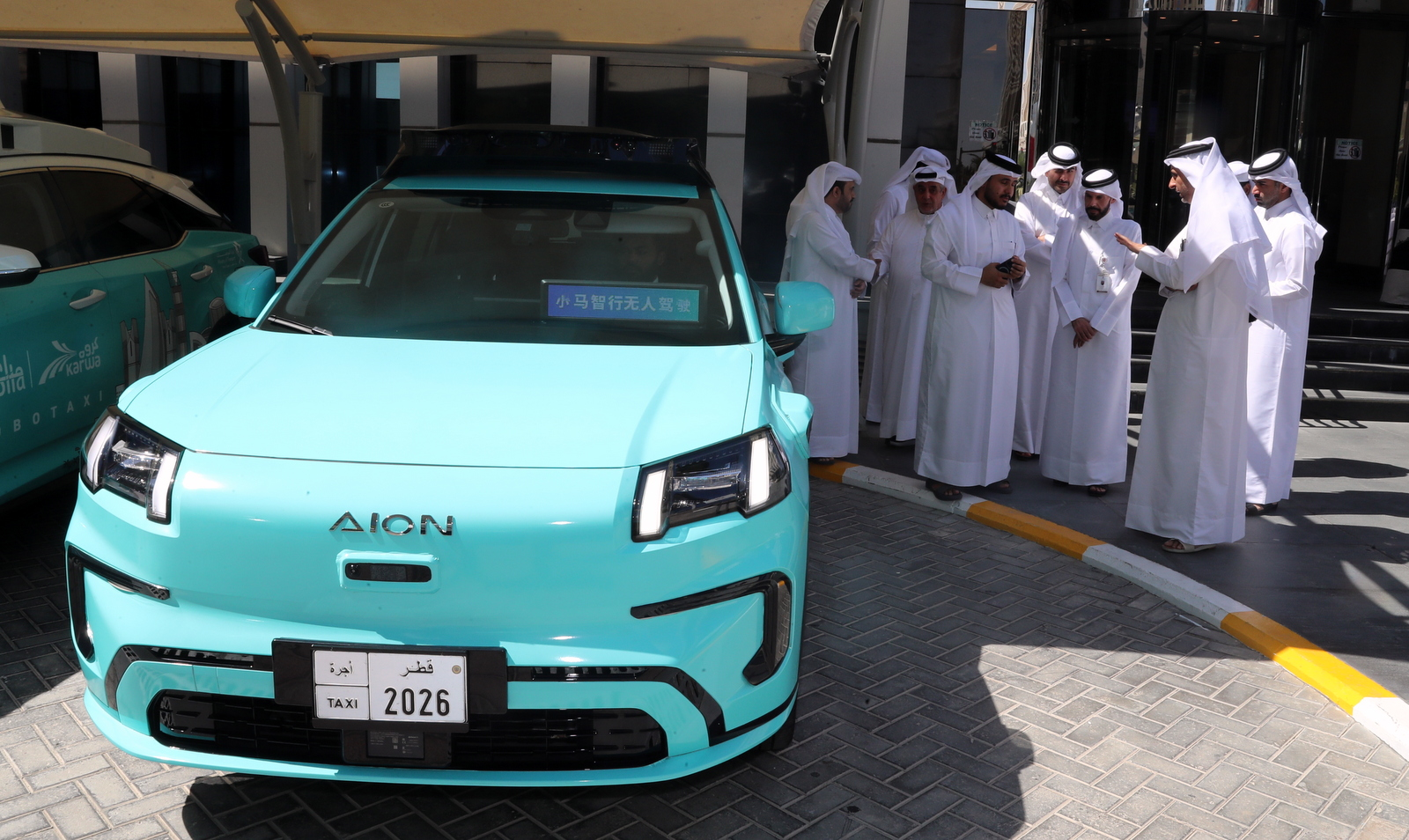
The company has also partnered with Qatar’s national transport company, Mowasalat, to launch a fully driverless Robotaxi pilot experience in Doha. Its total planned overseas Robotaxi deployments now exceed 4,000 vehicles.

Revenue from intelligent solutions reached $8.9 million (RMB 59.4 million) in the third quarter, up 3.4% YoY.
Pony.ai recorded gross profit of $7.9 million (RMB 53.1 million), with a gross margin of 17.8%. Improved operating leverage helped narrow its non-GAAP operating loss to $58.3 million, a 7.6% reduction from a year earlier.
As of September 30, the company’s cash and cash equivalents, short-term investments and other holdings totaled $1.154 billion (RMB 7.737 billion).
Pony.ai’s CFO said the company would maintain strict spending discipline while continuing to invest in Gen-7 fleet deployment and core technology development, as it works toward its full-year commercial targets.