- Audi’s Changchun PPE joint venture with FAW is operating well below plan as localized premium EV output collapses, reflecting slower-than-expected premium EV adoption and intensified price competition in China.
- The plant began late 2024 with >150,000 annual capacity and over €2.5 billion investment, now under 10% utilization and an alleged ~€500 million loss this year (about $545 million).
- Direct competitors are domestic premium EVs and lower-priced legacy rivals, with execution risks including weak model demand, scaling shortfalls, margin pressure, and impaired China financial results.
Audi’s joint venture PPE plant in Changchun, built with FAW, is expected to post a loss of approximately €500 million ($545 million) this year, with capacity utilization falling below 10%, according to German business newspaper Handelsblatt.
The report said persistently weak demand has left the plant operating for just two to three days each month. Some employees have reportedly taken to calling it a “ghost factory.”

The plant began operations in late 2024, with a designed annual production capacity of more than 150,000 vehicles and total investment exceeding €2.5 billion ($2.72 billion).
It primarily produces premium battery electric vehicles based on the Premium Platform Electric (PPE).
Under the original plan, local production was expected to help Audi expand its presence in China’s premium EV market. Actual demand, however, has fallen short of expectations.
Audi told Reuters that several years ago, it had expected the premium electric vehicle market to develop faster than it actually did.
This affects the production volumes of premium EVs manufactured locally at the Changchun plant.
The company has recently adjusted the plant’s production schedule but did not confirm the approximately €500 million ($547 million) loss reported by Handelsblatt.
The plant’s underutilization directly reflects the weak market performance of two key models.
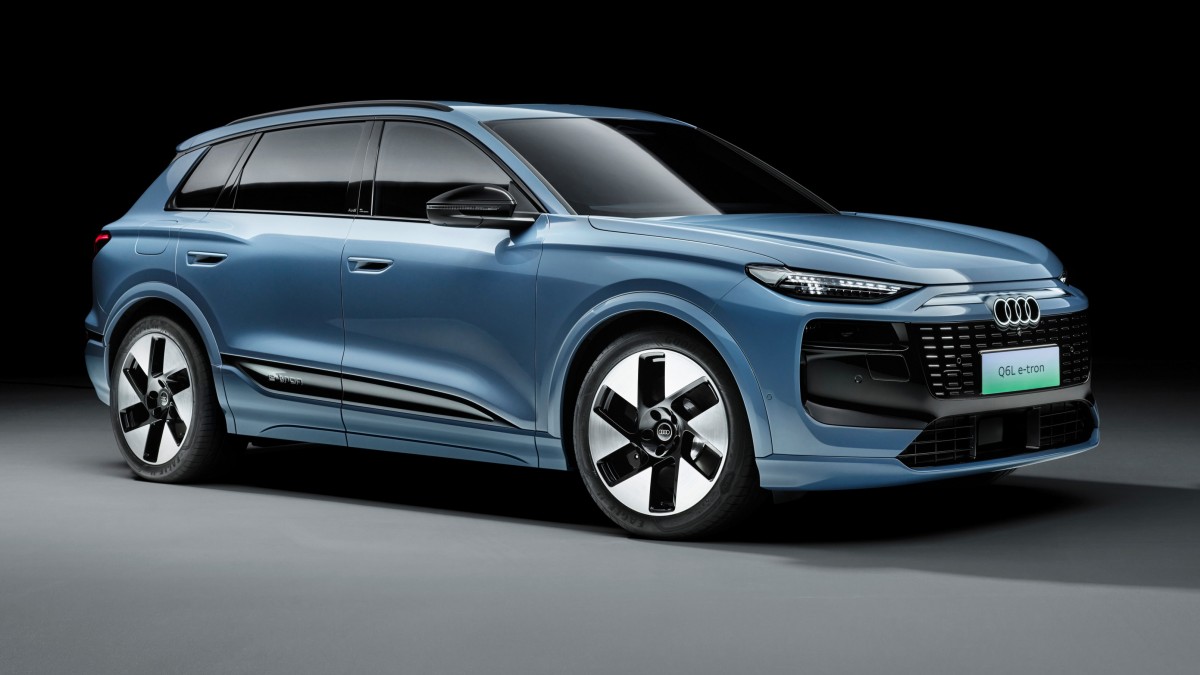
According to automotive platform Yiche, the Audi Q6 e-tron and A6 e-tron recorded sales of 448 and 96 units, respectively, in October.

Their China-specific versions, the Q6L e-tron and A6L e-tron, are expected to spearhead the localization of Audi’s PPE-based lineup and help the brand expand its presence in the domestic market.
Their current sales volumes, however, remain well below the level needed to achieve meaningful scale.
The difficulties facing the Changchun plant reflect the broader pressure on Audi’s transformation in China.
Its internal combustion engine vehicle business is facing competition from domestic brands and an ongoing price war, while its electric models have yet to gain significant traction.
Although Audi’s battery electric vehicle deliveries in China reached 24,203 units in the first three quarters of this year, up 84.7% year over year, the growth has yet to translate into sales volumes sufficient to support its premium EV production capacity.

Audi’s financial performance is also under pressure. The company’s revenue for the first nine months of 2026 totaled €42.063 billion ($46.01 billion), down 13.1% year over year, while operating profit fell 26% to €1.15 billion ($1.26 billion).
Its China-related financial result was just €38 million ($41.57 million), down 90.2% from €386 million ($422.25 million) in the same period last year.
Audi’s sales in China fell 24.5% year over year to 328,042 vehicles during the same period.
In its third-quarter financial report, Audi had already lowered its full-year outlook.
Its revenue forecast was cut from €58 billion–€63 billion ($63.45 billion–$68.92 billion) to €55 billion–€59 billion ($60.16 billion–$64.54 billion).

The company’s expected operating margin was reduced from 5%–7% to 3%–5%, while its net cash flow forecast was lowered from €3 billion–€4 billion ($3.28 billion–$4.38 billion) to €2.5 billion–€3.5 billion ($2.73 billion–$3.83 billion).
Audi attributed the revisions to weaker conditions in China and continued pricing pressure across major global markets.
To adapt to the Chinese market, Audi is pursuing a “dual-brand, dual-partner” strategy.
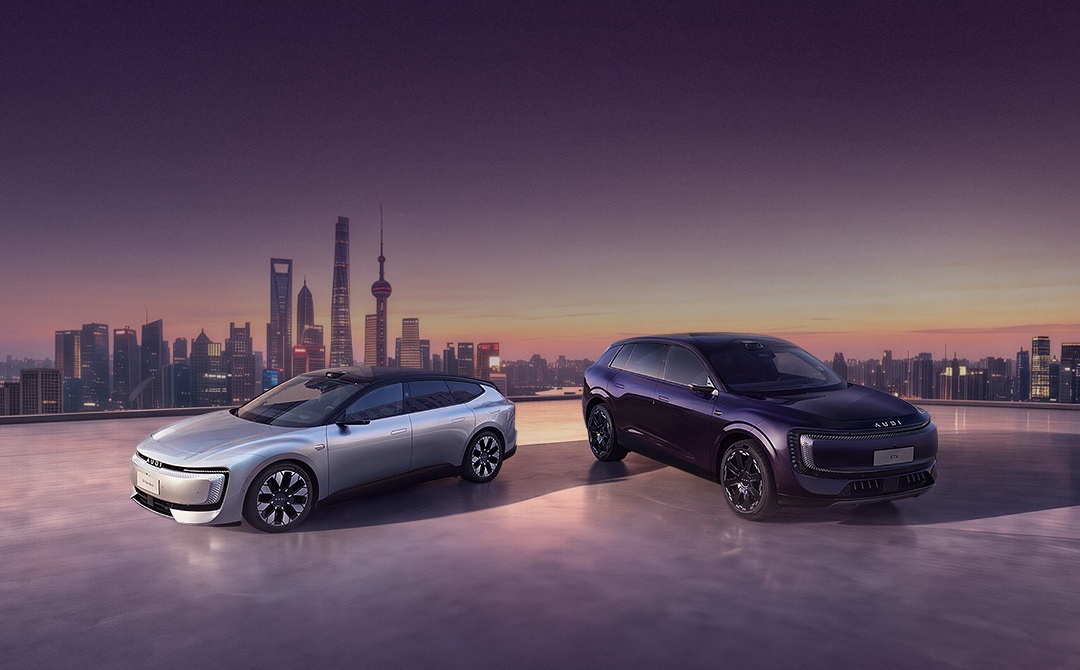
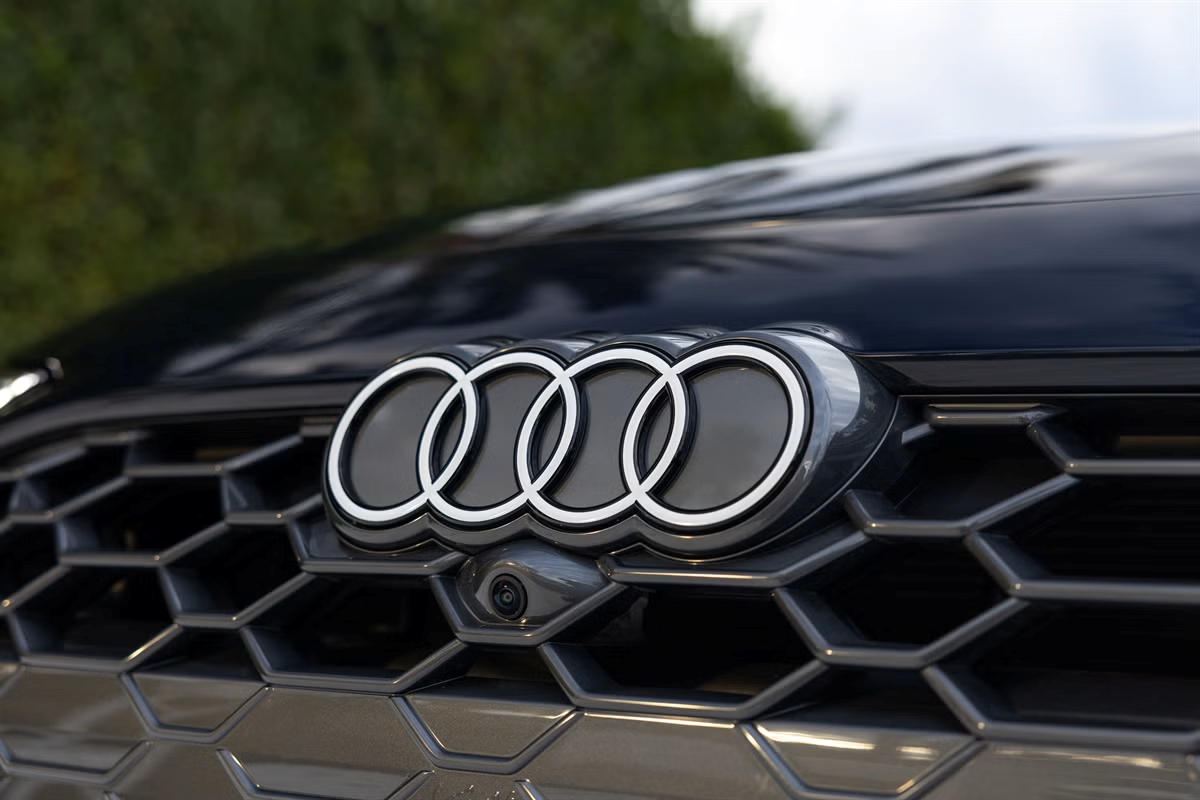
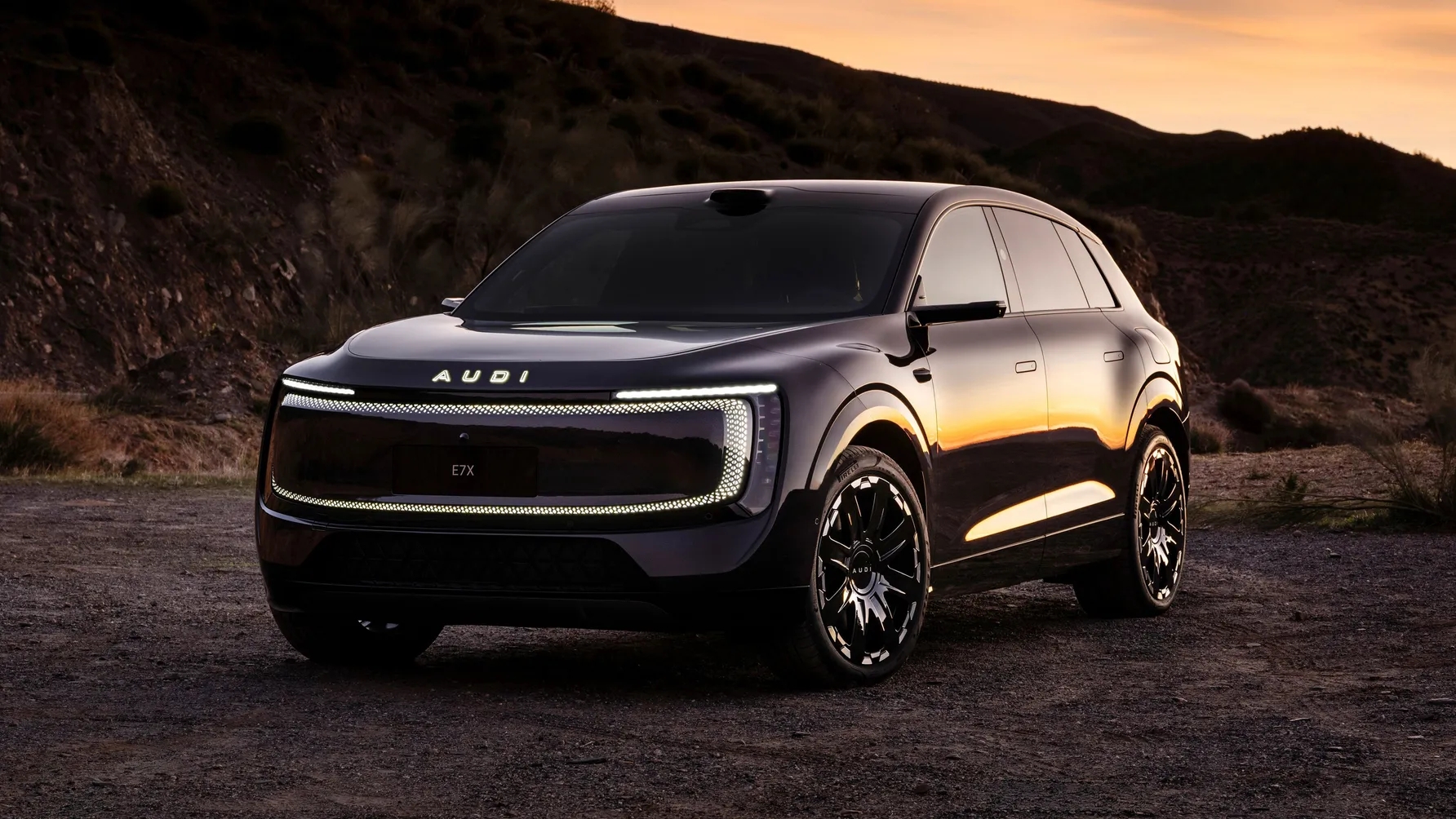
Its traditional four-ring models are handled by FAW-Audi, while the AUDI brand, which uses a letter-based logo, is being developed in partnership with SAIC.
However, the current operating conditions at the Changchun PPE plant suggest that the new products and partnership model will need more time to translate into market demand.
Discover more from ChinaEVHome
Subscribe to get the latest posts sent to your email.