- XPeng will begin global deliveries of its second-generation VLA intelligent driving system in H1 2027, reflecting pressure to localize features and win share against established AD rivals.
- VLA updates add all-scenario reversing, left/right-hand-drive support, and a VLA Lite rollout in December for dual Orin-X vehicles; RMB 8.67 billion R&D spend in first three quarters 2026 (about $1.30 billion).
- Targets premium AD and robotaxi operators with YOYO driverless rides and YOYO-01 in 2027, but faces execution risks from subscription rollout timing, regulatory approval, and global scaling of charging and Robotaxi deployments.
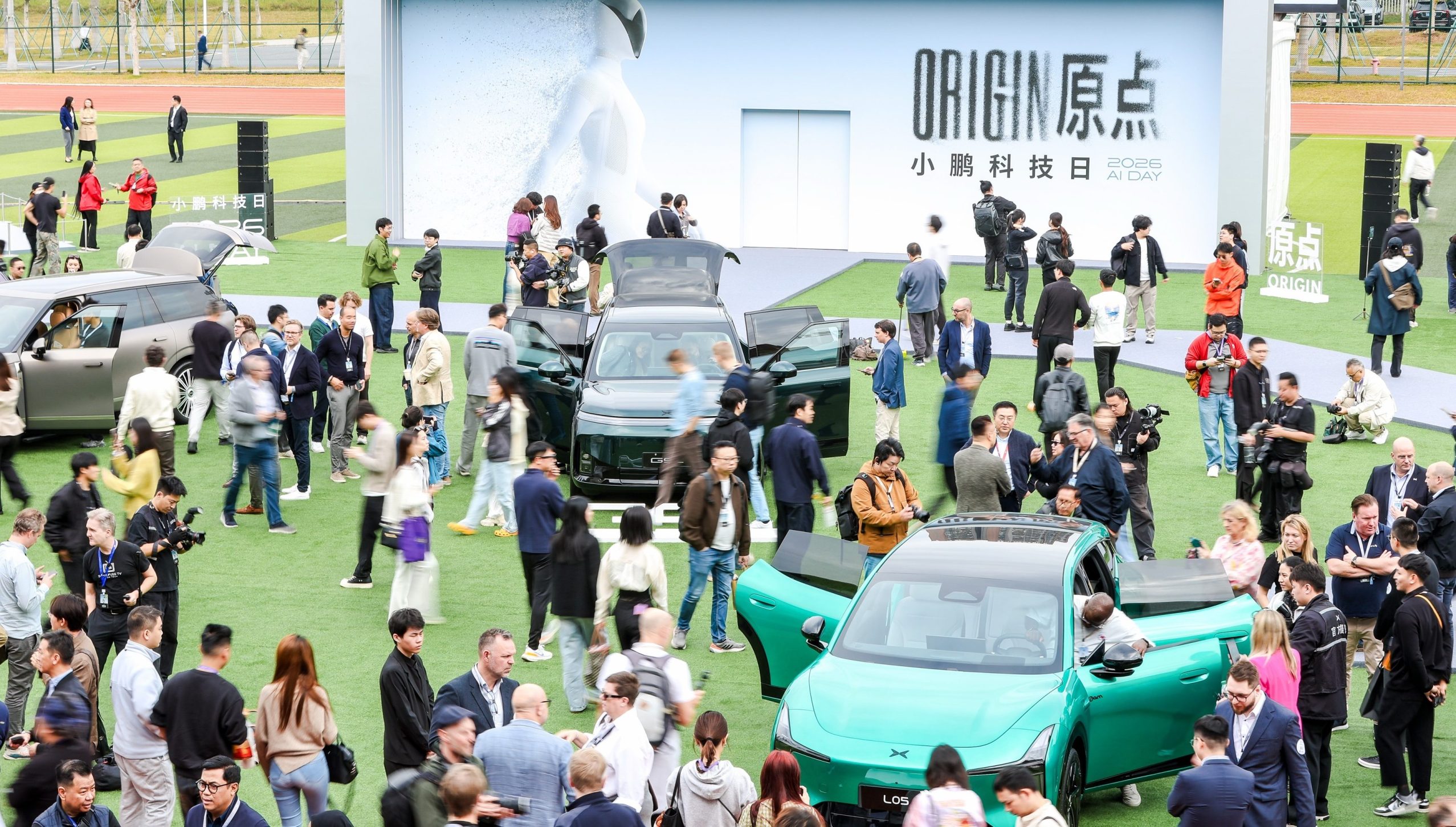
XPeng unveiled its latest advances in intelligent driving, Robotaxi technology and charging infrastructure at its 2026 Tech Day, themed “Origin,” held in Guangzhou on Nov. 25.
The company outlined new production milestones and future plans across several key technology areas, with its second-generation VLA (Vision-Language-Action), XPeng’s in-house physical-world large model for intelligent driving, serving as the central technology platform for its intelligent driving strategy.

He Xiaopeng, Chairman and CEO of XPeng, said the company plans to begin the first global deliveries of its second-generation VLA in the first half of 2027. Since the system began rolling out in March this year, intelligent driving has accounted for more than 50% of XPeng owners’ total driving mileage, while cumulative assisted-driving mileage has increased 91.05% MoM.
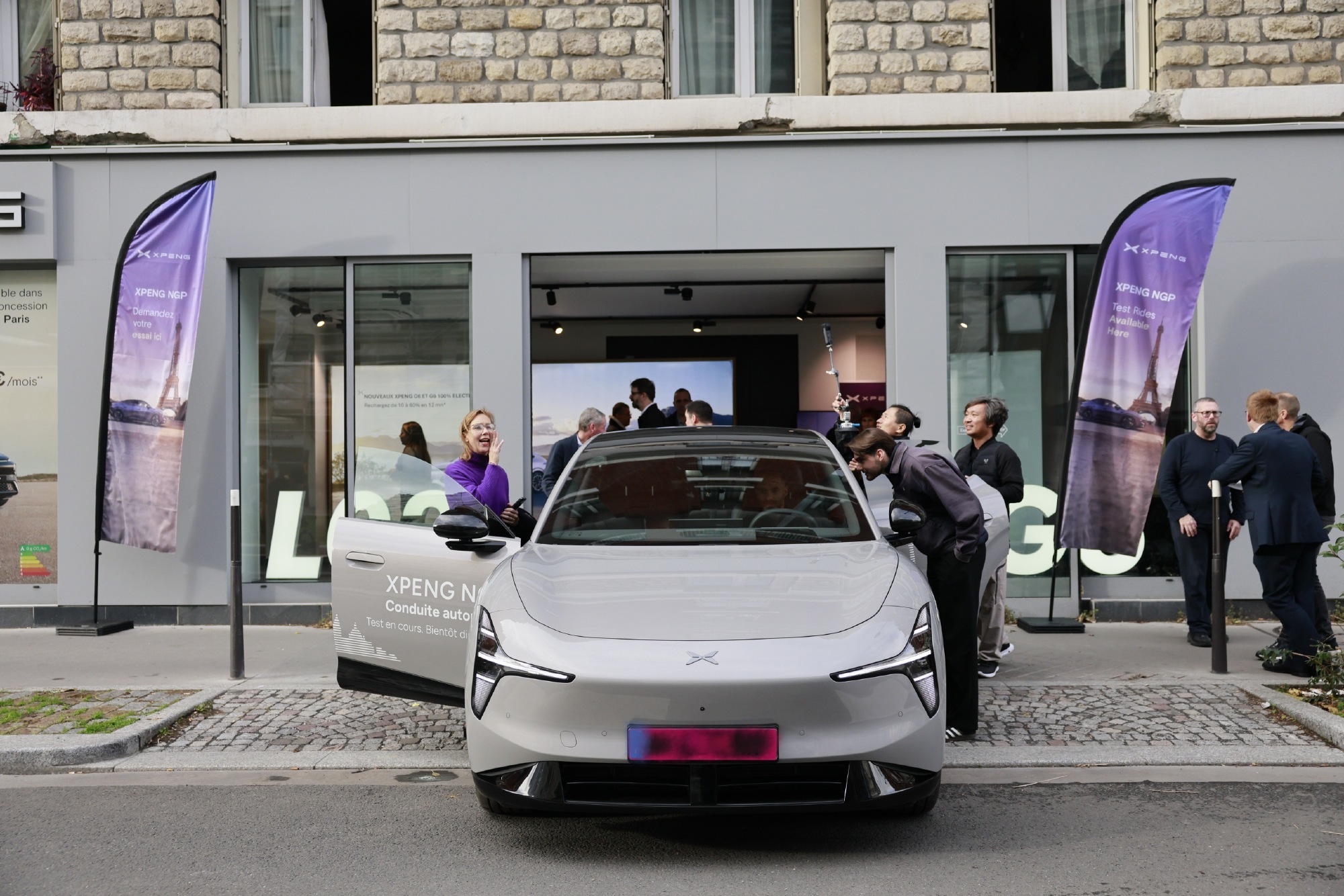
XPeng has also completed initial generalization tests of the second-generation VLA in Germany, the Netherlands and France, demonstrating its ability to adapt to local traffic rules and regulations.
The upcoming 6.4.0 version of VLA 2.0 introduces an autonomous closed-loop training process for AI agents, increasing overall training speed by 10 to 12 times. The update will gradually add features including all-scenario reversing and escape assistance, support for both left- and right-hand-drive vehicles worldwide, and customizable intelligent driving styles.

For vehicles equipped with dual Orin-X chips, XPeng will begin rolling out a distilled version of its second-generation VLA Lite in December. The initial rollout will cover the 2024 P7+ Max and M03 Max, as well as the 2025 G6, G7, G9 and X9 Max. The Lite version is expected to match the capabilities of models equipped with a single Turing chip.
A key announcement was that XPeng will introduce a subscription service for Turing AI Driving to new vehicle buyers worldwide in the second quarter of 2027. Customers who place orders before the service launches will retain their existing intelligent driving entitlements for life.
XPeng said intelligent driving requires continuous training and iteration, while a subscription model can provide a sustainable source of long-term R&D funding. The company invested RMB 8.67 billion ($1.30 billion) in R&D in the first three quarters of 2026, up 31% YoY.

In the Robotaxi sector, XPeng has started offering driverless passenger rides with its Robotaxi service, XPENG YOYO.
The company also announced that its first Robotaxi model designed specifically for commercial deployment, the YOYO-01, will be unveiled in 2027. XPeng stressed that it will not operate the Robotaxi fleet itself, but will instead serve as a technology provider. It plans to offer global partners a ready-to-deploy Robotaxi business model.
On the technology front, XPeng’s Robotaxi combines VLA and VLM capabilities to improve its understanding of complex scenarios and task planning. These technologies will also gradually make their way into XPeng’s production vehicles.

In its charging systems, XPeng announced an OTA upgrade that will increase the charging rate of its 5C batteries to 6C.
The upgrade will cover all models equipped with 5C batteries, including both lithium iron phosphate (LFP) and ternary lithium versions. Charging from 10% to 80% will take just 10.7 minutes after the update.

XPeng’s X-Energy megawatt flash-charging network has also reached a new milestone, with its first station in Hong Kong now operational. The company plans to begin large-scale global deployment in 2027.
Discover more from ChinaEVHome
Subscribe to get the latest posts sent to your email.