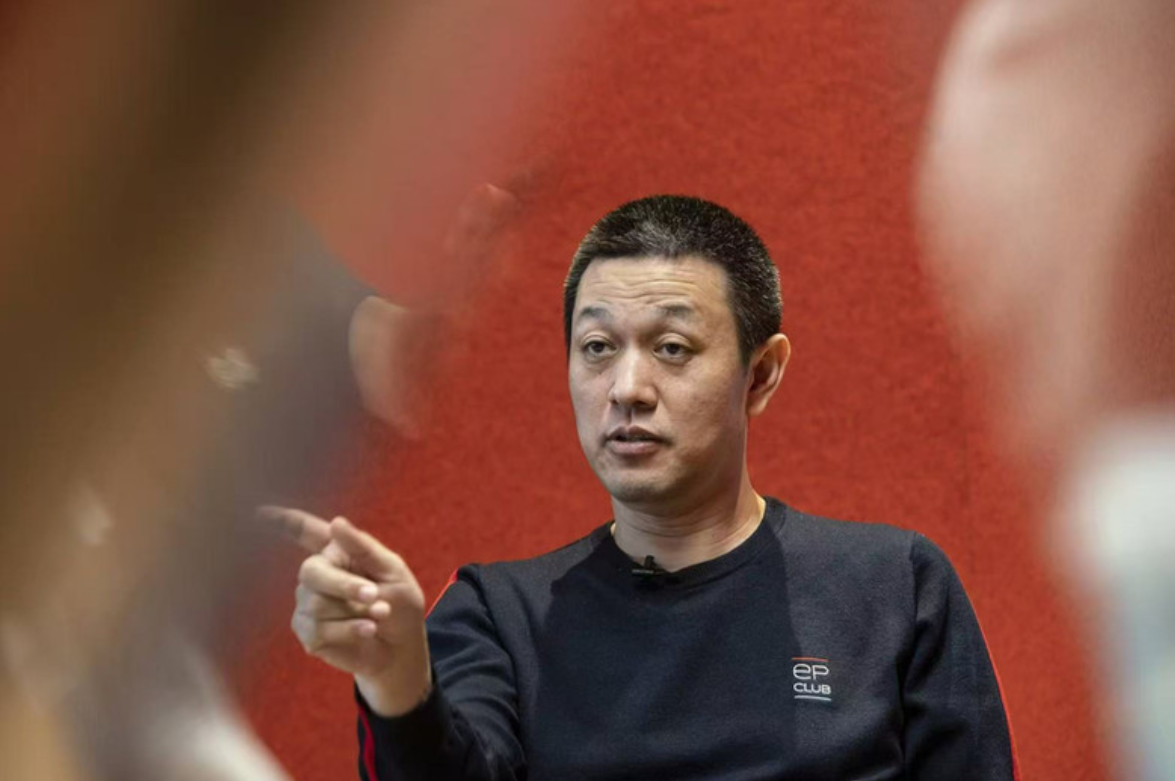
On the afternoon of March 23, NIO held a small-scale media briefing. At the meeting, NIO Founder & CEO William Li and NIO President Qin Lihong addressed the most pressing questions from the media recently. Below is the Q&A transcript.
Q1:How to break down the goal of doubling sales?
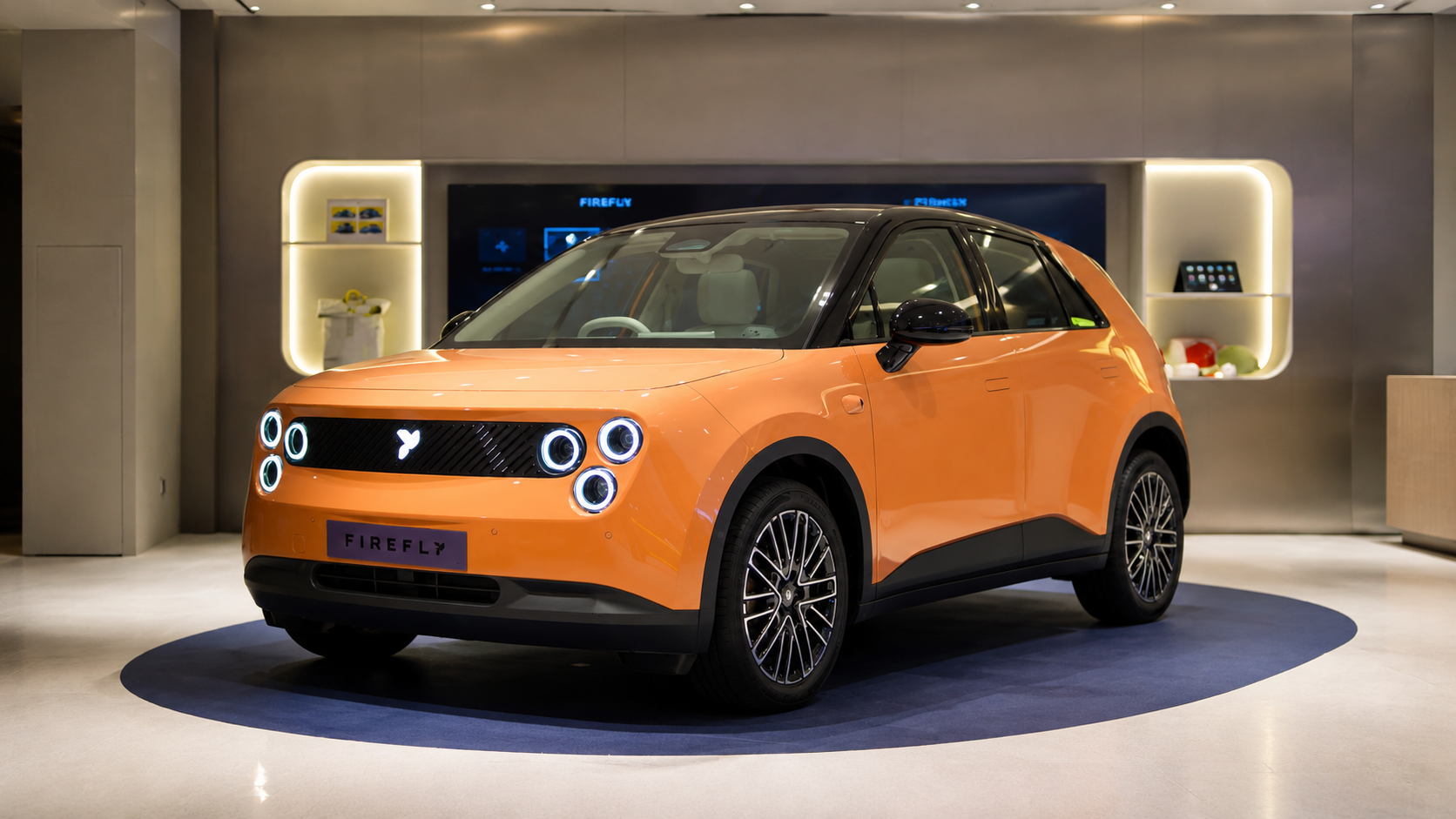
William Li:NIO sold 200,000 units last year and has six new models this year, so there’s room for sales growth. The L60’s rebound will greatly impact the full – year sales. Sales will rise steadily in April and May as production ramps up and brand momentum recovers. Despite external public opinion affecting sales, the Le Dao brand has hit rock bottom and is gradually recovering. As for the Firefly, it all depends on our pricing.
Q2:Competition is fiercer this year, making the “5566” models even more crucial for NIO. What are the highlights of the new “5566” compared to the old version? How can NIO ensure strong momentum within a month of launch through production capacity, ROI, marketing, and brand building? With nine models this year, how can NIO prevent potential issues given the greater pressure on the factory?
William Li:The factory operation is manageable as we’ve handled multi – brand and multi – model production for years. The new “5566” has been significantly upgraded in exterior design, interior, cockpit, and in – house chip compared to the old version, which is still on sale and performing well.
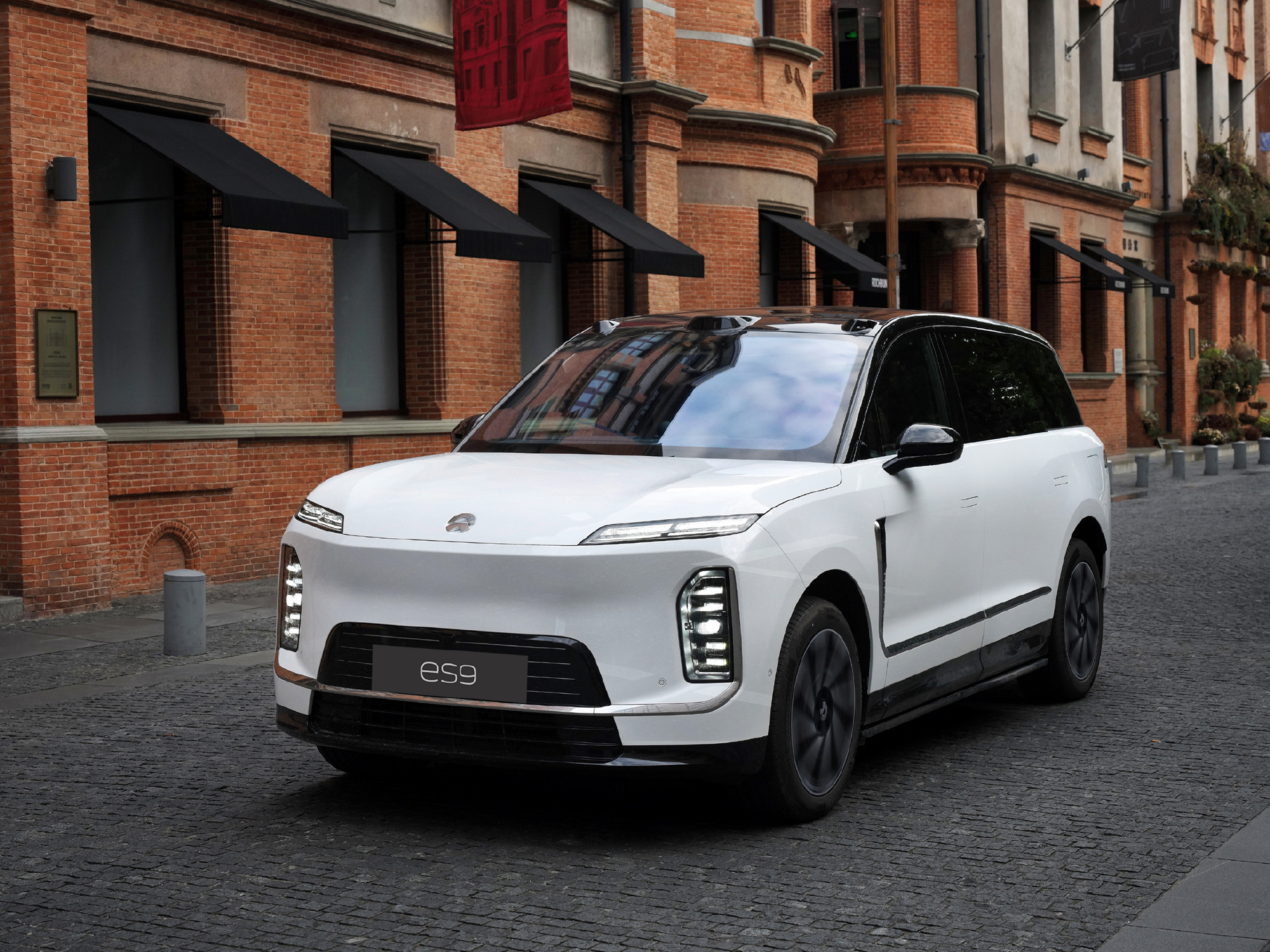
Despite a dip from last year’s peak, the product transition is reasonable as all automakers go through new – old model changes. The new “5566”, combined with our in – house chip P1, 9031, and battery – swap network, is highly competitive. We’re confident about it. The ET5T has been a significant and successful model in the 300,000 – yuan – level wagon segment. The ES6 and EC6 together have always had an edge in the mid – size SUV market, and this advantage won’t disappear. It will be evident in a few days.
For a long time, even the current – generation “5566” has top – notch intelligent – driving capabilities in the industry. Although it’s the current – generation model, we want to stress that there might be a time difference in software function release. It may seem a bit behind, but its full potential hasn’t been unleashed yet.
Q3:Previously mentioned that NIO and Ledo’s Fellows have been piloting cooperative sales. What are the specific collaborative solutions? According to common sense, selling higher-priced models yields higher single-transaction profits – how do the two parties collaborate to maximize synergy? What is the pilot’s performance? Are there successful experiences that can be scaled?
Lihong Qin:First, grasp a basic mechanism. Since last November, NIO’s Fellow team no longer relies solely on sales commissions but breaks down the sales process into multiple stages to prevent internal cutthroat competition. For example, a user may compare options, test – drive, and visit different stores. Previously, if a customer test – drove three times at a store but bought elsewhere due to discount differences, it caused internal competition. NIO adjusted its strategy last year to avoid this short – term focus and encourage a more nurturing approach.
We’ve developed a user life – cycle value exploration system and then established a collaborative network. Now, the collaboration between NIO and ONVO is straightforward. For instance, if a customer likes NIO but has a limited budget, a Fellow can refer them to ONVO, and both parties benefit from the sale. Conversely, ONVO’s Fellows can refer customers to NIO and receive rewards. By breaking down the sales process and tracking contributions at each stage, we can identify and reward contributions along the value chain.
Take a Harbin customer who bought a car in Hainan during the Spring Festival as an example; the Hainan staff’s contribution is rewarded. This ability to connect different touchpoints is very effective.
Last quarter, when production fell short of orders, some customers risked leaving due to year – end subsidy concerns. The Shanghai Le Dao team identified over – thousand such customers and passed them to NIO for follow – up, resulting in several hundred sales. Previously, these contributions were manually recorded, but now the system automatically calculates them, improving efficiency.
Also, when NIO and ONVO stores are in the same commercial complex, they can jointly hold roadshows and ads, increase demand, negotiate bulk prices, and reduce costs. With the mechanisms in place, front – line collaboration becomes smoother, just as Bin described the collaborative network, which involves distribution mechanisms and digital tracking of behaviors.
William Li:We learned from Lianjia in building our collaborative network. Last year, we sent a team to exchange with them and found similar situations in car sales, though often overlooked due to short – sightedness.
The car – buying process is long. From brand awareness to purchase, customers encounter many NIO touchpoints. Our goal is to record the contributions of colleagues at each touchpoint so that everyone benefits when a sale is made. We started this model in November last year. It basically ran smoothly in January and February this year. Le Dao began using this system in March, working through the collaborative network to avoid internal order snatching.
Now, there is a bottom – up recognition of this approach, but the system is still evolving. It has high demands on the data system, needing to trace the source of sales and the contributors in between. For example, if a customer makes a purchase after multiple test drives at several stores, we believe every step contributes to the final sale, not just the last one.
In the past, there were two extremes: initially over – emphasizing receptionists and later focusing solely on closing deals while ignoring contributions. Now, NIO records everyone’s contributions and has established a more reasonable approach.
Q4:What is the national agency model? After transitioning from direct sales to the national agency model overseas, how will their NIO Houses be handled?
William Li:In these five European countries, we still run a direct – sales model, as we’ve already invested. But we’ll control the investment scale, prioritize serving existing users, and be more conservative in sales.
In other countries, the national agent handles everything, and we just settle at the wholesale price. This model is simpler.
We don’t use dealers in any country. With dealers, we’d need to build a local management system. Instead, we let the national agent handle everything.
Lihong Qin:They do direct – sales for us, so it’s still a direct – sales model.
William Li:We have already signed some in Azerbaijan.
Lihong Qin:There have been no public reports, but we have entered a contract – signing state in over ten countries. In these countries, we have established certain standards. In the first year of entry (on a rolling 12 – month basis), we aim to achieve positive profits and cash flow. Additionally, we have addressed the issues of battery swapping and charging. All our vehicles are equipped with battery – swap capabilities. The national general agent, who is also an investor, will assess the timing and method of investment in swap stations. Early investment can boost sales but may increase their pressure. This is their responsibility. When selecting different country agents, the different business plans have varying values for us, which is one of the reasons for our selection. A capable country agent will set up swap stations in the first year.
William Li:Our three brands are all available for it to choose from.
Lihong Qin:A recent case shows the national agent had special product requirements. We customized according to their requests, and they paid us tens of millions of RMB for the development costs. For example, in a hot climate, they needed changes to the air – conditioning and related small molds. This customization deal has been finalized, and the development payment was received by the end of last year.
Q5:What is the current compatibility of NIO Powr Swap Stations? What is the progress of the battery swap alliance?
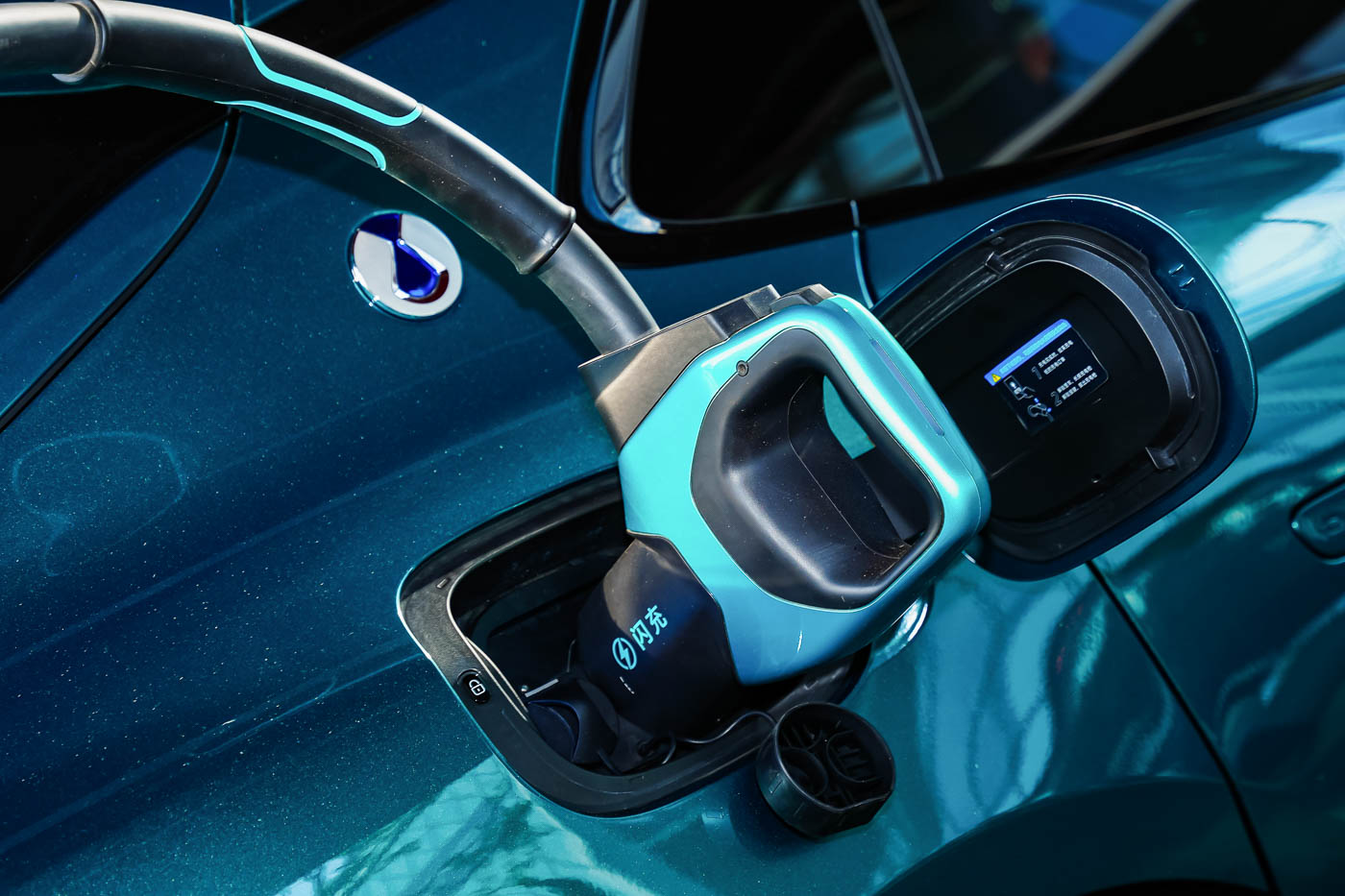
William Li:Our fourth – generation stations are compatible with NIO and ONVO, while the fifth – generation ones will support Firefly. The battery – swap alliance initially signed a framework agreement. Phase two involves long – term platform planning, and phase three is implementation. We’ve communicated with partners to include ONVO’s battery pack in their long – term plans. This way, they can spend tens of millions of RMB to adapt a single model, aligning with each vehicle’s platform planning.
Lihong Qin:There’s a concern that people have which is not well – understood: whether the increased battery – pack specifications will be too much for the swap stations to handle. In fact, the compatibility and scheduling capacity of our fourth – generation stations are nowhere near their limits yet.
Q6:How do you view the market’s discussions on issues such as the low energy consumption conversion efficiency of range extenders and the possibility that energy consumption may even exceed that of fuel-powered vehicles?
William Li:We believe the logic still applies. For China’s densely – populated cities, a solution with charging, battery – swapping, and upgradeability is a good choice. Range – extenders can work with battery – swapping, which is another form of infrastructure. With charging facilities everywhere, portable power banks and battery – swapping share similar logic. Range – extenders are a transitional solution.
The industry generally agrees. Range – extenders make sense when battery costs are high, but as costs change, their share of the market will gradually increase. We firmly believe pure electric is the ultimate solution.
Q7:How can NIO balance cost reduction while maintaining its luxury brand identity?
William Li:This is a great topic. We believe that as long as our users feel that their purchase is worth it, be it the product or service, we should persist in what truly creates value for users.
For instance, many users, including our own, thought “Bin shut down the NIO House,” but we never considered it. The NIO House is a crucial symbol for us.
Q8:How do you view NIO House’s use of 300-yuan hand sanitizer?
Lihong Qin:Let me add this. There are many rumors about our procurement costs. For example, it was said that the chairs in our NIO House at Hongqiao Airport cost 60,000 yuan, but the actual price we paid was much lower. Previously, it was claimed that the annual rent for our NIO House at Oriental Plaza was 40 million yuan, which was also not the case. If someone can give me 30 million yuan, I will sublet it to them tomorrow.
William Li:The truth is, this year we will still focus on accounting. Why wouldn’t we do something that can create value for both users and the company? We should save where we can and spend where we should, but we shouldn’t blindly cut costs, especially regarding the quality of our cars, which we will continue to maintain at a high level. We will keep doing what we should do. First, we will address those things that benefit neither users nor the company, and try to avoid situations where only one party gains and the other loses.
Lihong Qin:No matter what cost – cutting measures we take, NIO has certain principles we value highly. For example, we absolutely cannot make money through fraudulent or sub – par means. If we were to resort to such methods, we’d rather not be in this business. This is our bottom line.
William Li:Take the chip example mentioned earlier: better – performing chips cost less, and there are many such cases. The NIO House also has similar situations. For instance, if the NIO House is left vacant, it’s a waste. But when it’s put to use, users benefit and the atmosphere improves. We have many more opportunities to better utilize these resources.Lihong Qin:The hand sanitizer issue is significant as it highlights several key points.
Firstly, we previously used a luxury – brand hand sanitizer with a company – negotiated price. I can’t disclose the specific price due to commercial confidentiality. Having worked in FMCG 20 years ago, I know the gross margin for such products is typically over 70%, sometimes up to 90%. The purchase price is different from the retail price you see, so those criticizing simply don’t understand the business.
Later, we switched to NIO Life hand sanitizer, which is priced at 70 yuan. Our basic business unit buys it at a discount, so the actual cost is well below 70 yuan. The quality is still good, matching that of high – end brands. When I lowered the price to 70 yuan, the criticism stopped.
In today’s fragmented media landscape, information spreads quickly, which is good, but it also makes it easy for people to draw one – sided conclusions or project past issues onto the present. The impression and views formed from these inaccurate pieces of information may serve some people’s purposes, but they don’t reflect our current reality or situation.
Q9:What other areas do you expect to achieve effective cost reduction this year, apart from R&D and battery swapping?
William Li:Costs mainly depend on where the money is spent. For intelligent electric vehicles, there are three key areas:
- Intelligentization: This is achieved through chips and more integrated designs. This year, whether it’s the 25 “5566” models or other vehicles, each car can save 10,000 – 15,000 yuan compared to before, resulting in significant annual savings.
- Electrification: Primarily focuses on batteries. Last year, we achieved some cost reductions, and this year we believe there is still potential. A reduction of 3,000 – 5,000 yuan per battery pack can save hundreds of millions of yuan.
- Whole Vehicle: Closely related to scale. For example, the vehicle base and other whole – vehicle related aspects are greatly influenced by product definition. This part is challenging but can be optimized through scaling up. Overall, saving 20,000 – 30,000 yuan per vehicle is possible. However, these savings must also compete in the market and may not fully translate into gross profit improvements.
Q10:In the fourth quarter of last year, NIO still had a revenue-expense gap of over 6 billion yuan. Please break down the approximate cost reduction structure. Additionally, do the profit expectations for this year’s fourth quarter include income from government subsidies, income tax refunds, and battery supplier rebates?
William Li:I’ve already clearly mapped out the strategy. We can’t go into such granular detail in a public setting, but you can do the math yourselves. It’s all about volume, gross margin, and expenses – a straightforward calculation. In Q4, new car sales will stabilize, making it possible to project volumes rationally.
Gross margin will also improve in Q4 as cost – cutting measures take effect. Expense control remains our key challenge. We must reduce expenses from last year. R&D will stay stable, while sales and administrative expenses will decrease.
Q11:With intense competition in smart driving this year, many companies have introduced lifetime free services. How does NIO leverage smart driving to boost sales amid this landscape?
William Li:First, intelligent driving costs aren’t included in the car price. We use a subscription model, offering new car owners three or five years free, basically free of charge. In the long run, we’re unlikely to treat it as a terminal function of the car. The annual fulfillment cost for intelligent driving is higher than people think, involving data loops and ongoing services. I don’t think this has been fully considered financially. To put it another way, if you plan to offer lifetime free service, do you have enough provisions? If we really look at the finances closely, there needs to be funding for the data loop of each car. This is a service that lasts for over a decade, not just a one – time function.
Q12:In terms of performance, can NIO’s self-developed chips serve as a direct substitute for NVIDIA’s Thor-X series chips? Are they compatible with smart cars at level L4 or above? If NIO’s chips achieve large-scale mass production, apart from self-use, is there a possibility of supplying them to other companies to become a business highlight?
William Li:Our chip can fully replace NVIDIA’s Thor and is even superior in some aspects. It is the world’s first automotive – qualified 5 – nm intelligent driving chip with precise and advanced performance.
We will definitely use this chip in our own products first. If other companies are willing to use it, we are also open to cooperation.
Q13:How do you evaluate the work effectiveness of the smart driving team? Apart from hardware cost reduction, how is efficiency being improved at the software level?
William Li:From a strategic perspective, we maintain three baselines. The first is our previous first-generation vehicle, the second is the second-generation vehicle’s mainline Banyan, and the third is Le Dao’s Coconut. There will soon be a fourth baseline, the NT3 line, which is the Shenji chip.
The most important of these is Banyan, which has hundreds of thousands of vehicles in service. We were the first in the country to make it operable in over 700 cities. I demoed it last April, less than a year ago. We shifted to end-to-end driving, but were late in bringing the world model on board. We finished delivering all operable versions and, by June or July, entered the cleanup stage before developing the end-to-end model. When developing the end-to-end world model, we prioritized safety. For example, we launched end-to-end AEB and AES, and established data – function loops, which took a lot of effort.
Intelligent driving has two main purposes: to free up energy and to reduce accidents. We first raise the safety ceiling by creating a safety loop. Delivery of urban end – to – end driving was delayed. But according to the filing situation in late April and early May, everyone could see that our logic remained unchanged, and our upper limit was definitely higher than others.
Last quarter, someone introduced end – to – end driving, with a four – to – five-month gap. After we joined, the gap narrowed significantly. We are confident in becoming a top – tier industry player through collective intelligence. It was just a matter of months.
Q14:Who Balances the “Good Cop/Bad Cop” Dynamics in NIO’s C-Suite?
William Li:There are no fixed rules in enterprise management. Recently, a friend gave me a book. I had read “Who Says Elephants Can’t Dance?” before. After reading it, I was deeply impressed. When Lou Gerstner was asked about his plans at a media event shortly after becoming IBM’s president, he said he had no specific plan, just intended to work hard, and there would be no big or dramatic changes as expected.
Each company addresses its organizational challenges differently. Take NIO in 2021 as an example. It had positive operating cash flow, a gross margin of over twenty percent, and no new car launches. It sold 90,000 cars with a 1,000 – person team, which seemed fine on the surface. But did we do well? Not really. Many management details were overlooked. Conversely, in the past two years, we fell short of our own and others’ expectations. Does this mean we’re good for nothing? I don’t think so.
Lihong Qin:You could discuss the senior management team; we initially preferred not to address this.
William Li:In our 10 – year history, over 20 VPs have left voluntarily. In September 2018, after our US listing, I quickly downsized our US team from 700 to over 200, despite the time – consuming recruitment process.
Lihong Qin:Last year, our compliance department handled over 100 investigation cases, of which dozens were referred to criminal prosecution.
Since our founding over a decade ago, more than 20 vice presidents and above have left, mostly due to company decisions for various reasons.
Most departures are due to misalignment with the current phase – startup vs. refined management phases demand different capabilities. Some are proactive strategic adjustments.
On discerning right from wrong and resolve, there’s no need for doubt.
William Li:Lots of input helps me understand, but articulating priorities is the crux. Examples: 2019 survival required two layoffs; Oct 2023 cut >10% staff – we act swiftly.
Not Tesla/Xiaomi/Huawei. Now learning from Vivo/Lianjia/Luxshare – steady execution brands. Our logo: vision + action.
Tesla lost 16 years, AWS 15. Chinese entrepreneurship demands different timelines.
Past lessons: some beyond our capability at the time, now learned. Some missteps from management gaps – improving. Positioning remains.
Q15:2019 was likely NIO’s toughest year, with William Li dubbed “most miserable man” – what label do you hope to wear in 2025?
William Li:Hardest-working man.
Q16:What does 2025 mean for NIO?
William Li:Fastest-growing company.
Discover more from ChinaEVHome
Subscribe to get the latest posts sent to your email.