In Feb, the retention value rate for BEVs fell from 46.8% in Jan to 46.2%, while PHEV models declined from 44.8% to 44.5%.
A joint report released by the China Automobile Dealers Association and vehicle valuation platform Jingzhengu estimates that both used-car transactions and retention values for new energy vehicles declined in February 2026.
Data show that China’s used-car transactions totaled 562,600 units in February 2026, down 9.8% year-on-year and 22.4% month-on-month.

The Chinese New Year holiday shortened the trading cycle, while the transition between subsidy policies in the new car market created a wait-and-see sentiment among consumers.
Across vehicle segments, the SUV market remained relatively stable, with retention values holding around 50%.
The MPV segment bucked the trend, rising to 56.6% and becoming one of the few segments to post gains during the month.

In contrast, competition in the sedan segment remained intense, with retention values declining to 50.9%.
At the brand level, luxury brands showed limited overall fluctuation, although some brands posted gains. Tesla, Lincoln and Volvo recorded retention value rates of 56.1%, 48.4% and 41% respectively in February.
Among joint-venture brands, Japanese automakers continued to demonstrate strong stability in the used-car market.
Honda, Toyota and Mazda ranked among the top performers with retention values of 57.3%, 56.9% and 54.5% respectively.
Among Chinese self-owned brands, ICE vehicles continued to perform strongly in the used-car market. GAC Trumpchi and Tank led the domestic brand retention value rankings, both maintaining levels around 60%.

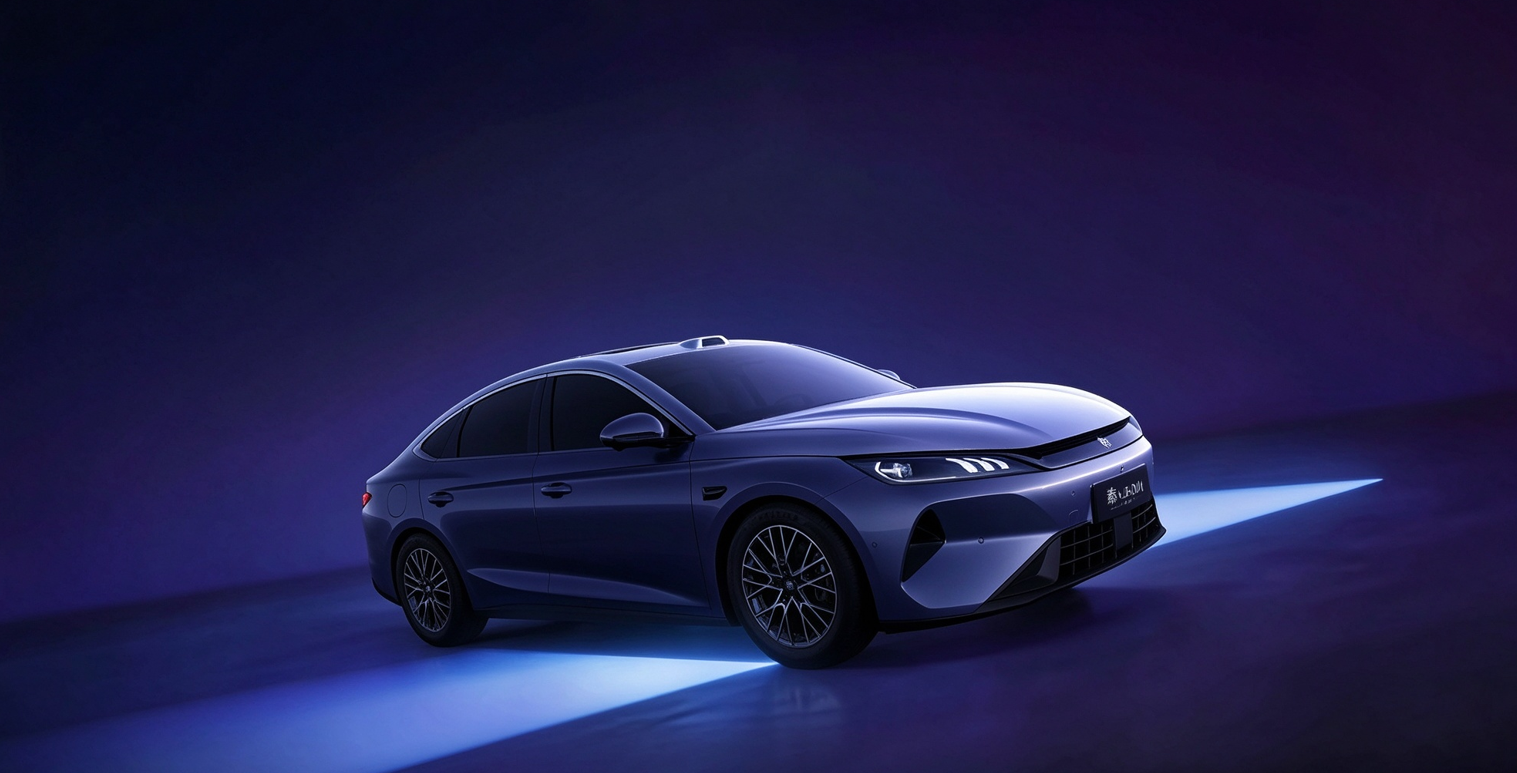
Among NEV brands, Li Auto and Denza posted slight rebounds in retention values, reaching 51.7% and 51.1% respectively.
In the battery electric small SUV segment, BYD Yuan UP ranked first with a retention value rate of 70.2%, followed by the smart #1 and Baojun Yep.
In the battery electric compact SUV segment, joint-venture brands dominated the ranking.

SAIC Volkswagen’s ID.4 X, FAW-Volkswagen’s ID.4 CROZZ and GAC Honda’s e:NP2 ranked among the top three.
In the battery electric compact sedan segment, one of the most competitive EV categories, the MG4 ranked first with a retention value rate of 71.2%, followed by the XPeng MONA M03 and the Aion RT.
Overall, retention values for NEVs declined slightly during the month.
The retention value rate for three-year-old battery electric vehicles fell from 46.8% in January to 46.2%, while plug-in hybrid models declined from 44.8% to 44.5%.
However, retention value performance varied significantly across vehicle age groups. Among one-year-old BEVs, domestic brands held a clear advantage.
The Aito M9 ranked first with a retention value rate of 82.1%, followed by the Zeekr 009, Li Auto MEGA, Model Y and Model 3.
The most dramatic change in the rankings was the Xiaomi SU7, which fell from the top spot last month to seventh place, with its retention value rate dropping to 76%.

In contrast, Tesla maintained a clear lead in the three-year-old BEV ranking.
The Model X, Model 3 and Model Y secured the top three positions with retention value rates of 61.7%, 61.4% and 55.0% respectively.
Among PHEV models, the Aito M9, Tank 400 New Energy and Tank 700 New Energy ranked among the top three for one-year-old vehicles.
In the three-year category, Tank 500 New Energy, Haval Raptor and Tank 400 New Energy occupied the leading positions.
The report noted that during January and February, dealers largely focused on clearing inventory and recovering cash flow.
Combined with slower trading activity during the holiday period, the market remained cautious overall. Supply volumes are expected to rebound noticeably after March.
Discover more from ChinaEVHome
Subscribe to get the latest posts sent to your email.