- Mercedes-Benz and Tesla saw some recovery, while leading emerging brands such as AITO and Li Auto remained stable.
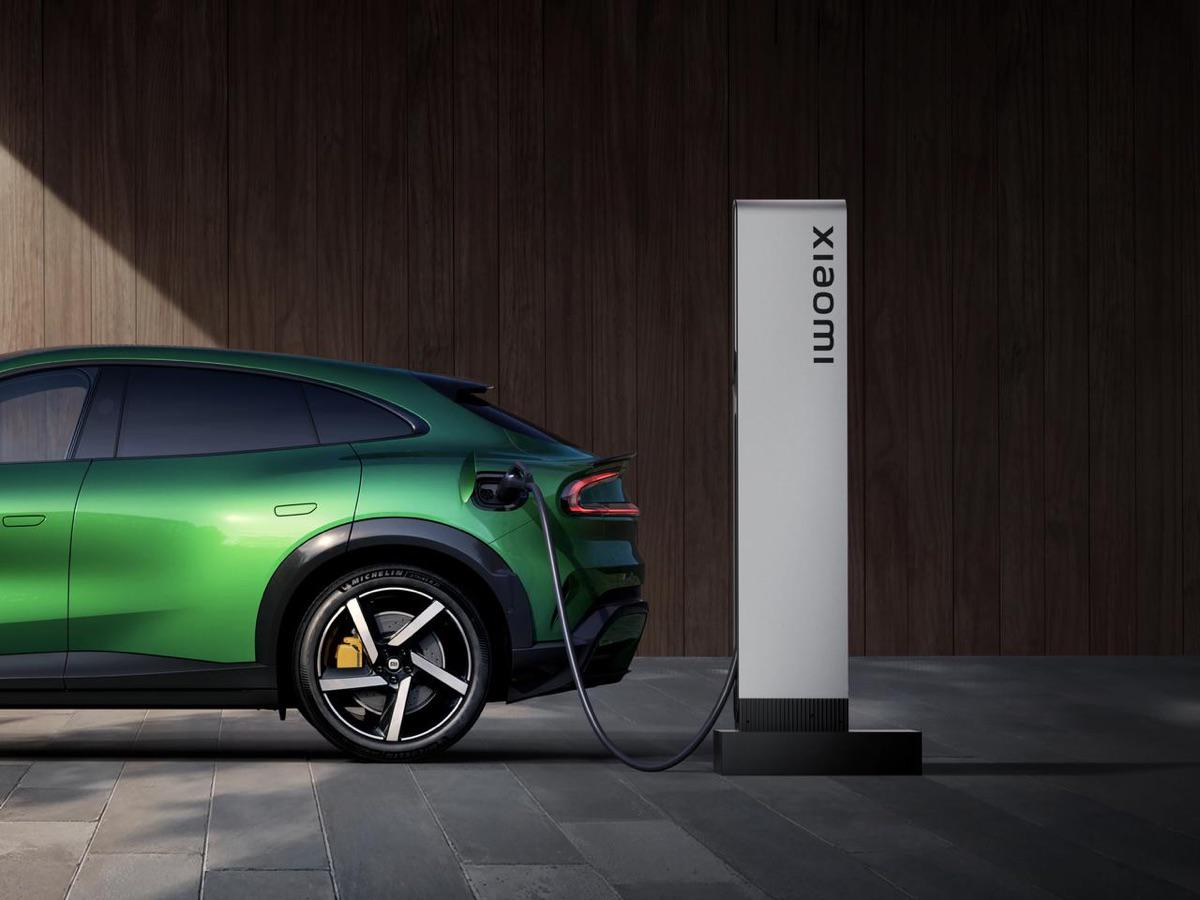
- Leapmotor and Xiaomi are climbing into higher-end segments, while traditional luxury brands perform rather blandly.
Today, market research and consulting firm LanRoads released its 2025 H1 New Energy Vehicle (NEV) Brand Health Study. This survey collected insights from over 8,200 NEV owners, covering 65 NEV brands. Based on the findings, we can get an initial understanding of the current dynamics in the NEV market.
Brand Awareness

Firstly, in the category of brand awareness, we observe declines across various tiers of traditional brands, with the drop seemingly unrelated to brand positioning or pricing. Notably, Porsche, Lexus, and MINI are representative cases—despite their substantial brand premiums and strong reputations in the internal combustion vehicle market, they’ve struggled in the NEV space.
In response to the surge of new energy vehicles in recent years, these brands launched their own NEV models, but market reception has been poor:
- Porsche launched the all-electric Macan this year, but sales fell far short of expectations, making the model nearly invisible on NEV sales charts.
- Lexus released the UX and RZ pure electric models in Chinese Mainland, but both have suffered from persistent market incompatibility over several years.
- BMW MINI, despite an early joint venture with Great Wall Motor to produce electric models, fell behind emerging brands due to slow product iteration and a lack of smart features.
Among brands with high awareness, stability is notable. In addition to the frequently mentioned startups NIO, XPeng, and Li Auto, the newly established Xiaomi has managed to achieve comparable brand exposure to industry giants BYD and Tesla.
In the second tier, Mercedes-Benz, BMW, and Audi leverage their extensive product portfolios and localized improvements to maintain their visibility in the NEV market.
In the lower tiers, rising brands like MAEXTRO, Stelato, Onvo, and Formula Leopard have seen notable increases in awareness, driven by expanding media coverage and a steady stream of new product launches.
Brand awareness is only the first step in entering consumers’ consideration. High awareness does not directly equate to high sales.
For brands with already strong recognition, the key challenge is converting awareness into favorability. By continuously engaging with potential consumers and building emotional connections, these brands can better solidify and expand their market share.
For newer brands like Onvo and MAEXTRO, the primary task remains getting their names out there and letting more consumers learn about them. For traditional brands, despite having mature NEV products and clear market strategies (as seen with Volkswagen and Nissan), group strategies and market share dynamics have made it difficult for them to be top choices in direct competition.
Brand Familiarity

Brand familiarity measures how deeply consumers recognize a brand beyond just name recognition.
Survey results indicate that brand familiarity across the NEV market is on the rise. On average, each consumer is familiar with 8.5 brands, the highest level since LandRoads began this survey series.
The number of brands consumers are familiar with has increased. Through various information channels, more consumers now understand brands beyond just having “heard of them,” allowing them to consider a wider range of options during discussions and purchase decisions.
Consumers are especially familiar with mid- to high-priced NEV models. In the 200,000–300,000 yuan price range, the average number of familiar brands rises to 10.1, and for vehicles priced above 300,000 yuan, it’s 10.0. This reflects the reality of the market: Both traditional and emerging brands are fiercely competing in the 200,000–300,000 yuan segment, making it the core battlefield for market share.
In contrast, the sub-200,000 yuan segment—despite having a larger number of brands—shows an average familiarity of only 7.2 brands, with most recognition concentrated around leading brands such as BYD and Wuling. This indicates that in this price segment, consumer awareness is highly concentrated on a few top players.
Brand Favorability

The “Favorability per Hundred” index measures public appeal by calculating how many out of every 100 respondents express a liking for the brand. A higher score reflects stronger consumer affinity and broader public appeal.
The results for this index align with brand visibility and sales trends in the NEV market.
Among all brands, Xiaomi leads by a clear margin, driven by its high media exposure, strong consumer attention, competitive pricing, and youthful product image.
In the first tier, Tesla and AITO maintain stable performances, while Li Auto shows a notable rise. Looking at the market performance over the first half of the year, this suggests that Li Auto’s “home and vehicle” brand identity is increasingly resonating with consumers. This growing recognition is highly beneficial for the brand, and given Li Auto’s stable target user profile, this favorability is likely to continue driving sales.
Conversely, NIO and BYD, while still in the top tier, have seen some decline in favorability, potentially due to financial challenges and shifting public opinion.
Traditional luxury brands like Porsche, Mercedes-Benz, and BMW, though less competitive in NEVs compared to emerging brands, retain strong consumer affinity. Their decades-long brand building has created high public esteem and loyal customer bases. This brand equity allows them to withstand pressure from new players, maintaining a stable position even if their NEV market growth is limited.
Brand Tier

This index reflects how consumers perceive a brand’s tier and value.
Compared to previous surveys, the number of brands experiencing shifts in premium perception has decreased further: only 6 brands showed changes this time, down from 7 in the previous report. This indicates that consumer perceptions of brand hierarchy are becoming more fixed and stable.
As the NEV market matures, brands’ market positions, marketing styles, and product features have largely solidified. New players like Leapmotor and XPeng are no longer frequently adjusting their market positioning but are instead focusing on building brand identity among core users and resonating with them on emotional and value levels.
In this round of the survey, only six brands experienced perceptual shifts in their market tier.
Among them, AITO stands out. Since H1 2023, AITO’s brand image has steadily improved across four consecutive survey cycles, elevating its perception from “mid-to-high tier” to “premium.” This achievement is closely linked to product strength and consistent marketing investment.
In the emerging brands camp, the changes within NIO Group are particularly noteworthy. Since 2022, NIO has been the only startup consistently perceived as a “premium” brand, maintaining high scores in brand image and user profile. However, in this survey, NIO’s sub-brand Onvo dropped to the “economy” segment, aligning with BYD, Geely Galaxy, and Leapmotor.
This may be attributed to a recent strategic shift where Onvo prioritized sales and market performance, emphasizing its “RMB 120,000-level battery subscription model” in communications. This inadvertently diluted its premium perception, causing consumers to associate the brand with affordability and lower quality. Interestingly, the even lower-priced Firefly brand, leveraging NIO’s sales and showroom resources, is now perceived as a “mid-tier” brand.
Development Confidence

The Development Confidence Index reflects consumers’ psychological outlook on a brand’s future prospects and growth potential.
Compared to previous surveys, this index shows positive momentum. In this round, more brands entered the “positive outlook” category, especially new players such as Leapmotor, LUXEED, and Formula Leopard, whose development expectations among consumers have significantly improved. This suggests that these brands have made considerable progress in gaining consumer trust.
In the “Super High Confidence” category, there are now four brands: AITO, Tesla, BYD, and Xiaomi. Notably, Xiaomi, as the only newcomer among them, has shown continuous improvement in this index. The release and successful market launch of the Xiaomi SU7 earlier this year have provided a strong boost in consumer discussions and positive sentiment.
Compared with the previous round, Tesla’s confidence index rebounded into the “super high confidence” zone, likely driven by the launch of the refreshed Model Y and a resurgence in market interest. AITO and BYD, meanwhile, maintained their leading positions, with stable consumer recognition and positive expectations.
For group-based brands, consumer confidence is often influenced by the overall performance of the group’s other brands—exhibiting a “rising tide lifts all boats, sinking tide drags all down” phenomenon.
For example, among the HIMA family, the strong performance of AITO and the premium positioning of MAEXTRO have lifted consumer expectations for other affiliated brands like LUXEED and Stelato, despite their own market performance being relatively modest.
Conversely, NIO Group’s situation highlights the opposite effect. With both NIO and Firefly showing lackluster market performance, even though Onvo ranks among the top in its segment for sales, the group’s overall underwhelming results caused NIO to drop out of the “strong confidence” category.
Market Outlook
From this survey, it’s evident that China’s NEV market has shifted from an incremental (growth) market to a stock market.
For leading brands, this means the focus must move beyond exposure and awareness. Instead, they need to precisely define their market positioning, sharpen their unique brand identity, and deepen engagement with their core user base.
For mid- and lower-tier brands, climbing upward into higher market tiers remains challenging. With the top players’ positions largely stabilized and consumer attention relatively finite, it will be difficult for lesser-known brands to gain significant traction unless they significantly increase their brand mention frequency and consumer recognition.
If these brands fail to boost their presence in consumer discussions, they risk missing out on the NEV market’s limited opportunities.
Discover more from ChinaEVHome
Subscribe to get the latest posts sent to your email.