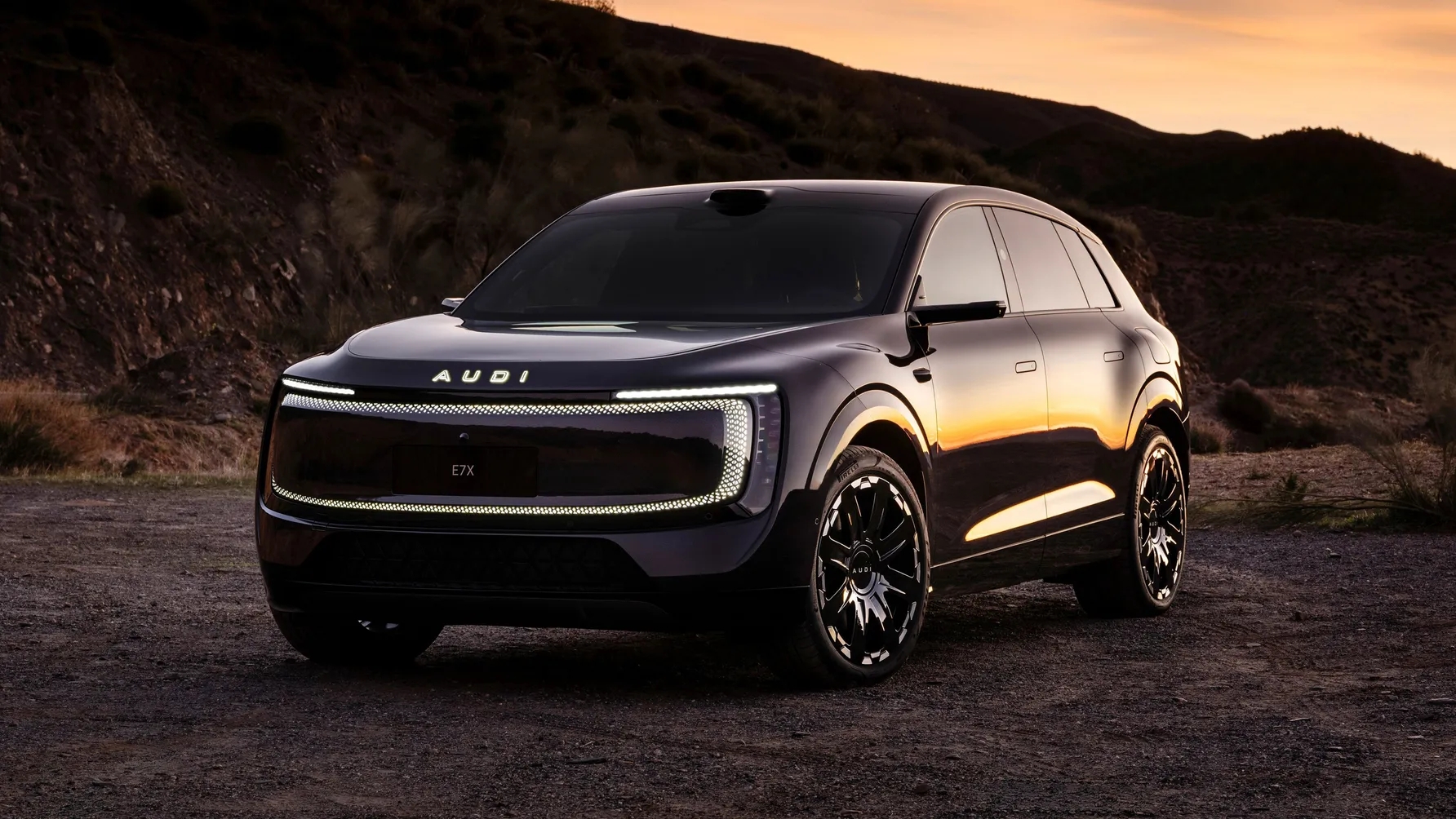
ONVO L90 nationwide test drives start on July 23, official launch at the end of July, deliveries begin August 1.
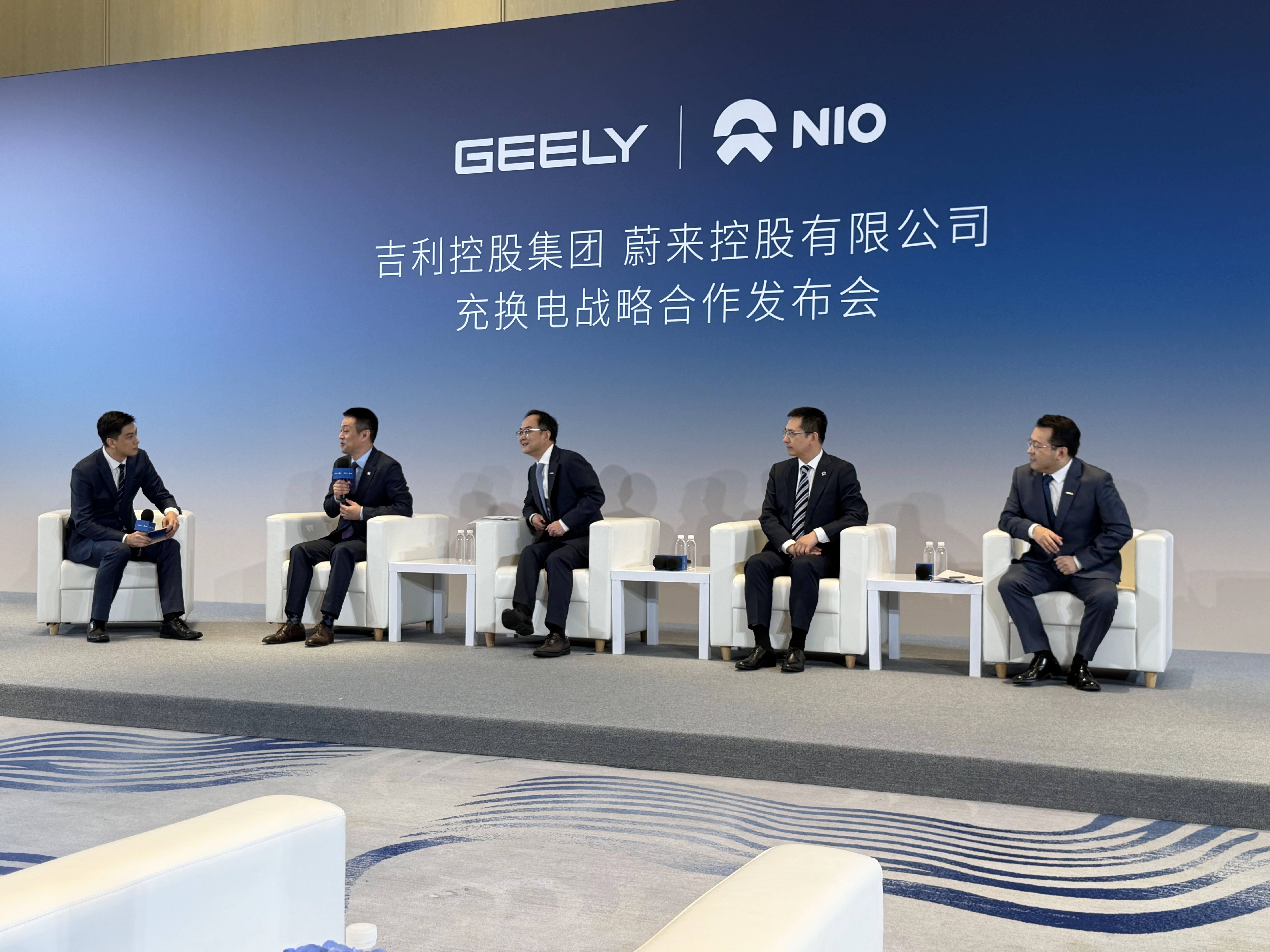
On the morning of July 11, the day after the ONVO L90 officially opened for pre-sale, NIO held a small-scale media briefing in Hefei. NIO CEO William Li, President Qin Lihong, and ONVO President Shen Fei attended the event.
Facing a wide range of media questions, NIO’s executives systematically explained the underlying logic and market ambitions behind the ONVO L90, a strategic model, and revealed a new methodology for next-generation EV startups.
Below is a key summary from ChinaEV Home based on the event, with the full Q&A transcript at the end.
ONVO L90 Launch Schedule & Profitability
Since its debut at the Auto Shanghai, the ONVO L90 has eased user concerns about long-distance travel by showcasing charging and battery swap infrastructure progress. The subsequent pre-sale launch covered in-depth technical and product details, and display vehicles have now arrived at stores nationwide.
According to the plan, nationwide dynamic test drives will begin on July 23, the official launch event is scheduled for the end of July, and deliveries will start on August 1. It’s worth noting that deliveries for the 7-seat version will be later than the 6-seat version, with exact timing to be announced at the launch event.
NIO officially stated that pre-sale volumes for the ONVO L90 met internal expectations. Regarding profitability, the company said the L90 has positive gross margins, highlighting precise cost control and prioritizing spending on user experience. Some compromises, such as motor size and seat platform reuse, were made to optimize costs.
Brand Positioning & Strategy for ONVO and NIO
As deliveries ramp up and real-world user feedback comes in, the distinction between ONVO and NIO brands will become increasingly clear: NIO focuses on the premium market, while ONVO targets family users. Both brands will leverage their unique positioning and product attributes to minimize internal competition.
Regarding the Shenji chip, due to limited production capacity, it will primarily be used in NIO models for an extended period to support the brand’s advanced autonomous driving fleet. This maintains a unified chip architecture for easier technology transfer to ONVO. William Li also hinted that external investors could eventually be introduced to the NX9031 chip project.
Technology & Product Planning
For energy replenishment, NIO announced that the fifth-generation battery swap prototype station will be ready by the end of Q3. This new generation will support multi-platform compatibility and three different battery pack sizes, significantly improving swap success rates and automation. This marks a major breakthrough for both NIO and the broader EV industry.
Regarding the 80-kWh battery pack, the initial supply will be limited but will gradually increase in line with growing user adoption.
On autonomous driving, end-to-end models are currently being tested on ONVO vehicles. Thanks to the shared NIO ADAS development foundation, ONVO can quickly leverage NIO’s data and training capabilities to accelerate deployment.
In terms of cost control, innovations like lightweight design and high integration help reduce production costs. Although upfront R&D and validation expenses are high, mass production will lower costs, and internal efficiency efforts are ongoing.

Q&A Transcript
Q1: What was the key effort behind the efficient channel strategy for the L90?
A: The key here is that we shipped the cars before holding the launch event.
Q2: What’s the difference between buying a pure electric versus an extended-range model?
A: I believe people should buy pure electric. It offers better space and user experience, and range anxiety is already a thing of the past. We also see a trend where extended-range vehicles are using increasingly large batteries, reducing the engine’s actual usage. You might have used the engine five or six times a year before, but now it’s maybe only once or twice—yet you’re still carrying hundreds of kilograms of hardware daily.
Q3: What was the logic behind the L90’s launch timeline?
A: The entire launch cadence for the L90 has been clear from the start:
— Debut at the Auto Shanghai showcasing some highlights;
— Then easing user anxiety with progress on charging and battery swap infrastructure;
— Yesterday’s pre-sale event offered a full technical and product introduction;
— Now, L90 display vehicles are in showrooms.
From here:
— July 23: Nationwide dynamic test drives begin;
— End of July: Official launch with final pricing and user benefits announced;
— August 1: Nationwide deliveries start.
Q4: How does the ONVO L90 compare to the Li Auto i8? What are each of their strengths?
A: Both are advanced pure electric products aimed at ending the dominance of large extended-range SUVs. In that sense, we stand together. Of course, each brand has different functions and design philosophies.
Q5: What’s the profit margin on the ONVO L90?
A: It definitely has gross profit. At NIO, our financial calculations are precise. You can see the high technical content and competitive product strength. We’ve invested heavily in user experience but made trade-offs elsewhere. For example, we didn’t opt for overly large motors and reused seating platforms across the group.
Q6: How will NIO and ONVO maximize brand separation and avoid internal competition?
A: As deliveries and real-world usage ramp up, you’ll see the brands differentiate more clearly and rationally over time. That’s our goal.
Q7: The L90 claims to be a revolutionary three-row SUV. Where’s the real innovation?
A: The innovation is all about creating user value. It’s not just about design form but solving unmet needs. That’s why we spent so much time at the launch discussing our research with 2,700 users—identifying pain points like space and energy replenishment anxiety.
Q8: What thinking went into the L90’s pricing strategy?
A: The L90 was initially set with a zero-margin pricing target. Later, we adjusted according to market conditions. From the start, we set an aggressive cost target to leave us room for competitive pricing.
Q9: What’s new with the fifth-generation battery swap station?
A: The biggest advance is multi-platform support with three battery pack specifications. This is a major breakthrough for NIO and the whole industry. Other improvements include higher swap success rates and smarter automation. The Gen-5 station is basically ready by Q3’s end, pending final volume production and reliability testing.
Q10: What’s the deployment plan for the 80-kWh battery?
A: Initial quantities will be limited, but as user numbers grow, battery stock will naturally increase.
Q11: What are the plans for autonomous driving?
A: End-to-end models are already being tested on ONVO vehicles. Since NIO’s ADAS team is shared, ONVO can quickly leverage NIO’s vision-based training and infrastructure with only minor adjustments.
Q12: What’s the strategy for deploying the Shenji chip? Will it be used across all brands?
A: Shenji chip production is limited, so for now it’ll mainly support NIO vehicles. Since NIO’s main autonomous fleet still runs on NVIDIA Orin, this helps close the data loop. Using the same chip architecture allows faster technology transfer to ONVO.
Q13: What key factors helped control the L90’s pricing?
A: The L90’s mission was always to hit this price segment. Technical innovations like lightweighting and high integration cut costs. Though upfront R&D and validation costs were high, mass production will lower them, and we use fewer materials.
Q14: How is internal morale amid ongoing cost-cutting and efficiency drives?
A: I wouldn’t call it layoffs. It’s more about adjusting and aligning the team with our current strategy. At least within ONVO, morale is steadily improving. Sales are rising, and the new product launches are bringing clarity to our operations.
Q15: How should users choose between the NIO ES8 and the ONVO L90?
A: The L90 got a lot of attention yesterday—thank you for that. But L90 is one showcase of what NIO can do. The upcoming new ES8 will be equally strong in its own segment. They target different users and serve different needs.
Q16: As range anxiety resurfaces in the market, what’s NIO/ONVO’s plan?
A: Don’t forget we also offer a 150-kWh battery. We hold the record for over 1,000 km on a single charge. But we still believe infrastructure is the best way to solve range anxiety.
Q17: Will ONVO release lower-priced models in the future?
A: ONVO’s long-term goal is to provide high-quality cars for families. Today we have a flagship large SUV and a smart mid-size SUV, and we’ll eventually offer more affordable models too.
Q18: Did the L90 pre-sale exceed expectations?
A: Based on market feedback, we met our internal targets.
Q19: What’s the plan for the 7-seat version of the L90?
A: Exact timing will be announced at the launch event. The 7-seat version will be delivered later than the 6-seat.
Discover more from ChinaEVHome
Subscribe to get the latest posts sent to your email.