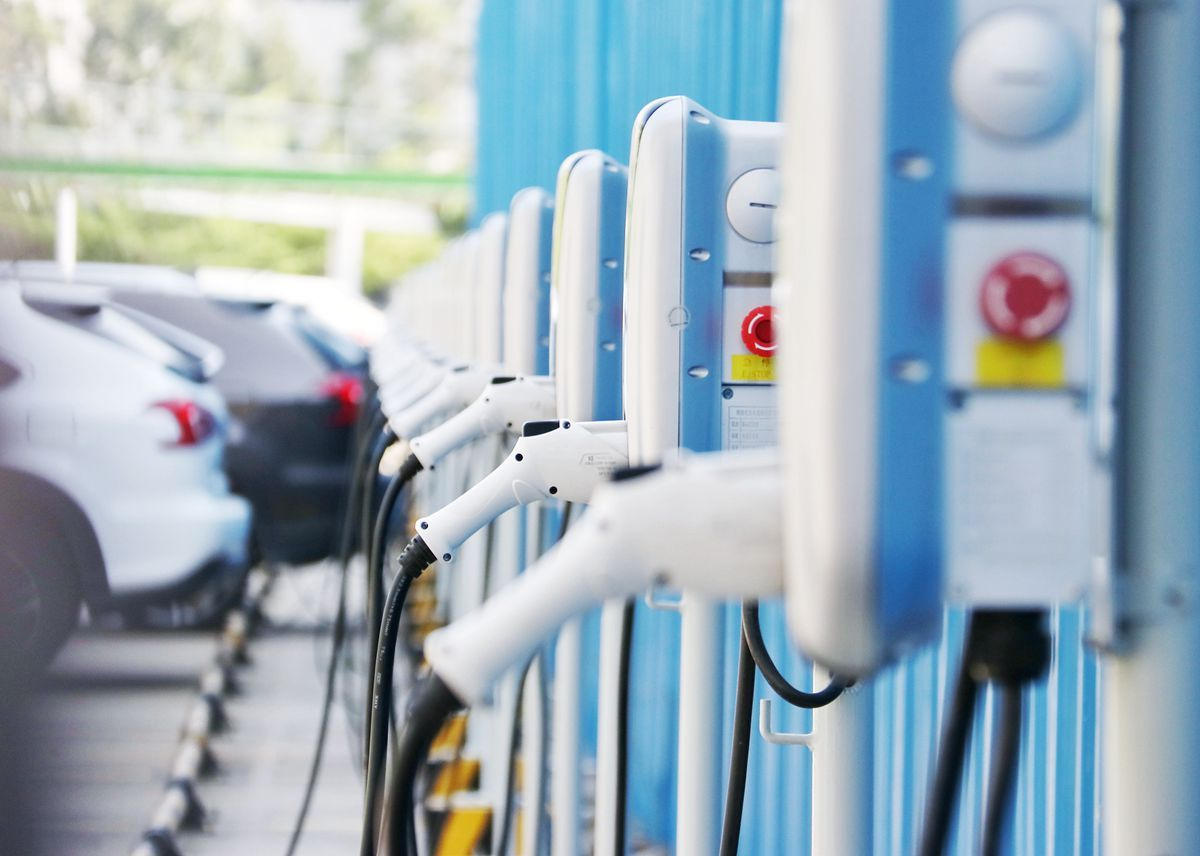
According to Beijing’s latest ride-hailing policy, traditional ICEVs are being gradually phased out, accelerating the shift to NEVs in the ride-hailing sector.
The China Urban Public Transport Association Network Car Club announced that starting from July 20, Beijing has officially stopped allowing internal combustion engine vehicles (ICEVs) to access ride-hailing platforms. This policy means that not only vehicles below the National VI emission standard (previously banned) but also those meeting the National VI standard are no longer eligible for platform access.
In a nutshell, “green license plates” have become the only permit for operating ride-hailing vehicles in Beijing.

The exit of ICEVs from the ride-hailing market has been anticipated for some time.
Since early 2024 when Daxing District first introduced policies encouraging new energy vehicles (NEVs), Beijing’s comprehensive ban on ICEVs entering ride-hailing platforms marks a clear government stance on reducing transportation carbon emissions. This trend is spreading nationwide — Shenzhen completed the phase-out of ICEVs as early as 2020, and Xi’an advanced its phase-out deadline from 2028 to 2025. Many cities are tightening access requirements, accelerating the “no ICEVs” movement in ride-hailing.

Drivers’ reactions vary. NEV owners naturally welcome the change, while drivers still using ICEVs face significant pressure. Some have outstanding car loans, and with operating rights revoked, their vehicles’ resale values have been slashed by half or depreciated by tens of thousands overnight.
Ultimately, this new regulation is more a move in line with the times.
Compared to traditional ICEVs, pure electric cars are more cost-effective and environmentally friendly. According to the China Passenger Car Association (CPCA), NEVs accounted for 87% of newly added ride-hailing cars in 2023. Entering 2025, with accelerated ICEVs phase-outs in first-tier cities and key areas, plus increased B2B model deployment by manufacturers, NEV penetration rates may have further risen above 90%.

It is foreseeable that with intensifying policies and growing environmental pressure, the ride-hailing industry’s transition to new energy is an unstoppable trend. The window for ICEVs is rapidly closing.
For NEV manufacturers, this presents a prime opportunity to capture market share. Brands like BYD, GAC Aion, and XPeng, which focus on customized ride-hailing products, have already strategically deployed across multiple regions to leverage this policy momentum. As more cities join the “no ICEVs” camp, traditional joint-venture brands’ space in the ride-hailing market will continue to shrink, quietly reshaping the industry landscape.
Discover more from ChinaEVHome
Subscribe to get the latest posts sent to your email.