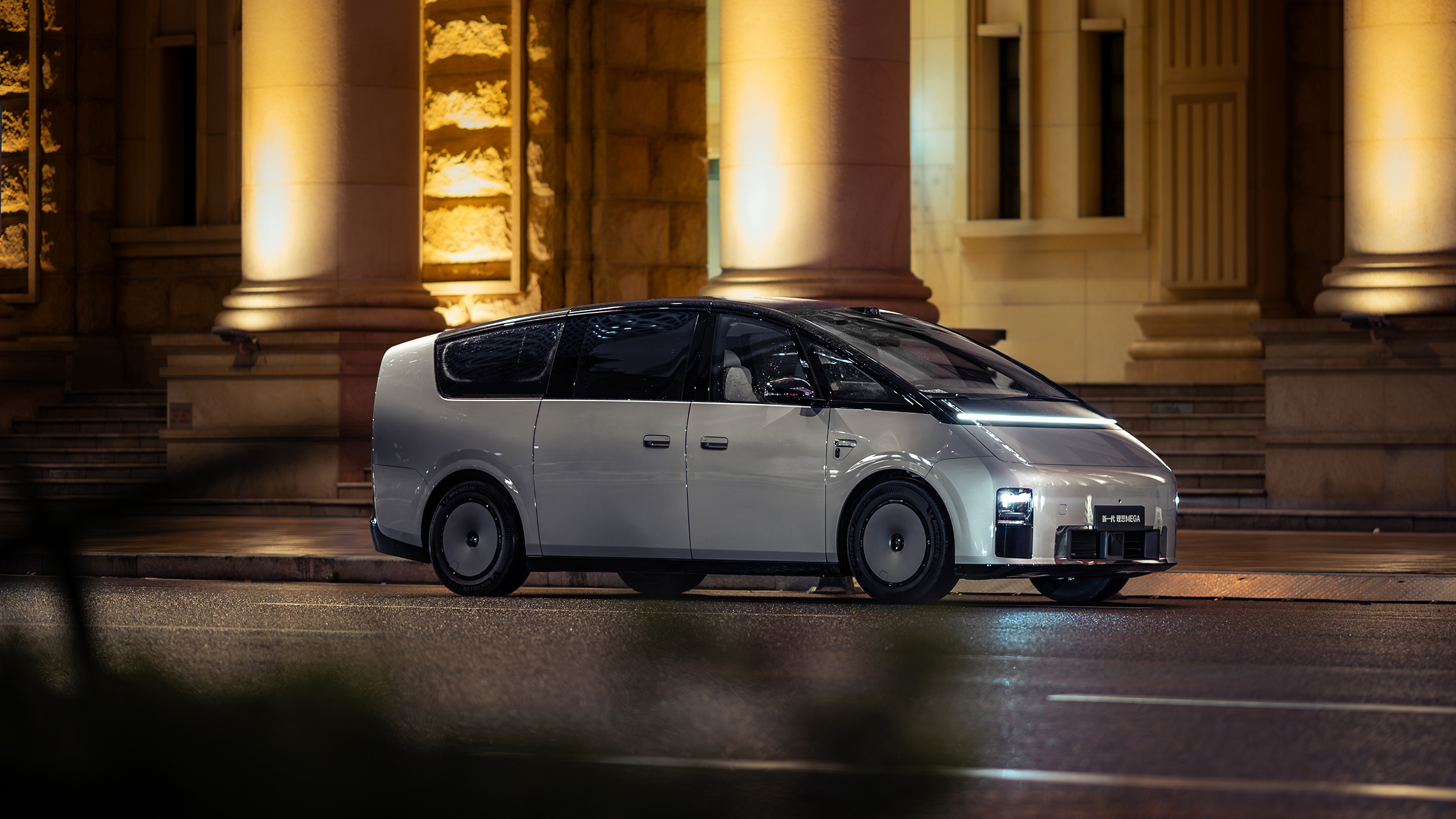
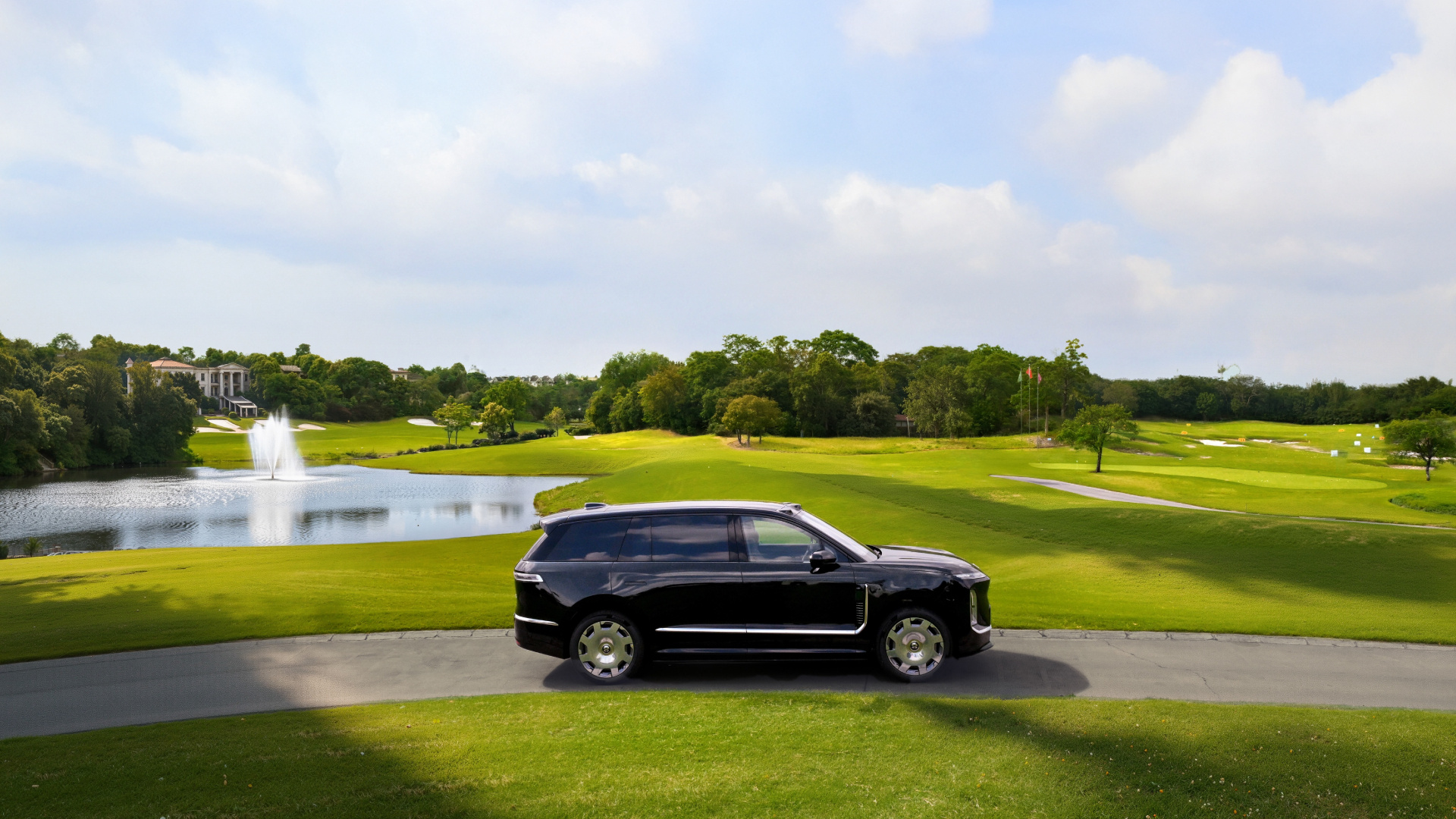
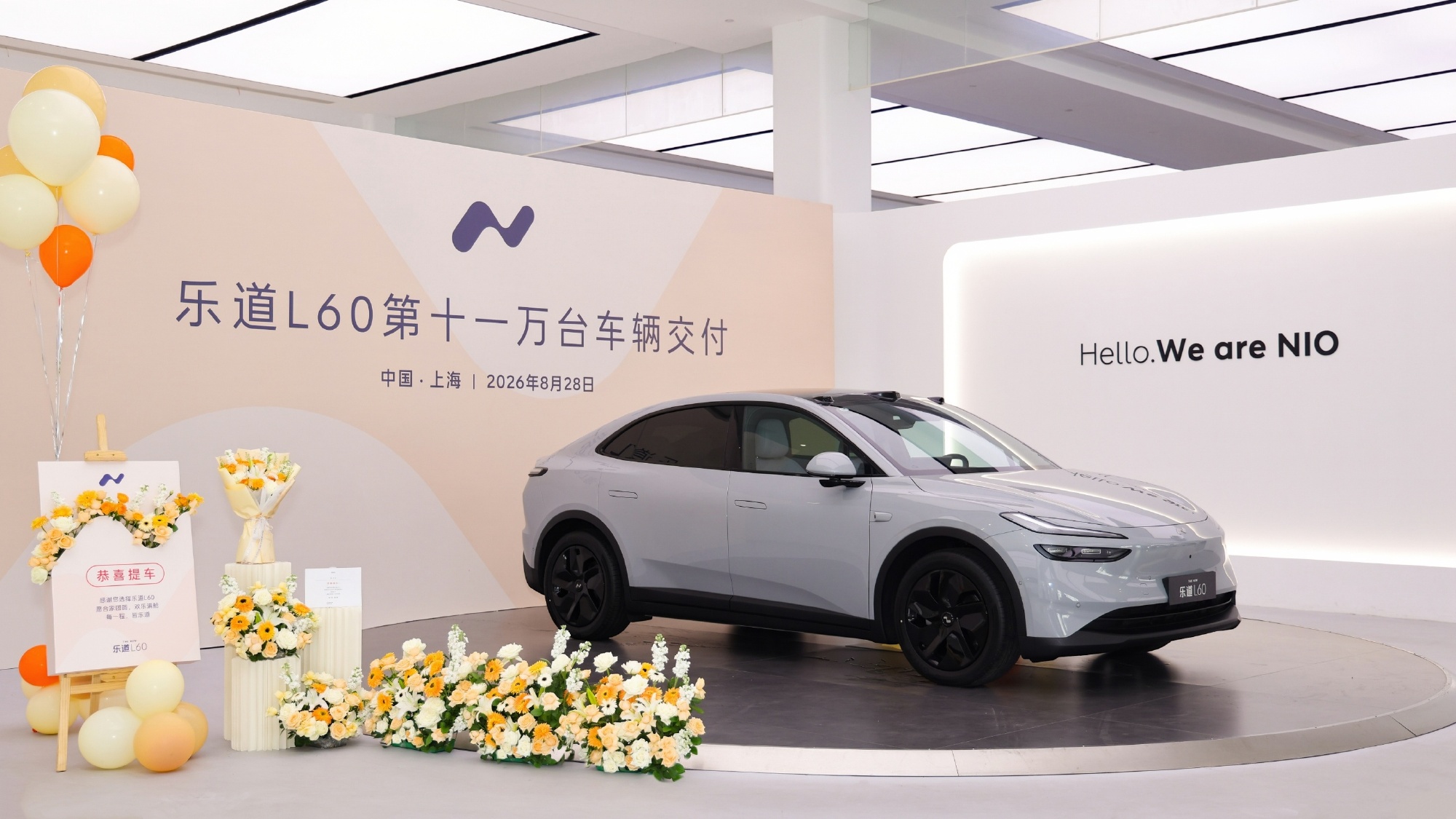
ONVO L90 launches at $25,200 with spacious design, battery-swap support, smart tech, and high-end specs under NT3 platform.
The ONVO L90 only lacked price and specs until last night. William Li didn’t talk for three hours this time—just the length of a movie was enough to get it all out.
The L90’s final BaaS (battery-as-a-service) launch price is ¥179,800 ($25,200), while the outright purchase price for the six-seat version with an 85kWh battery starts at ¥265,900 ($37,230). The three versions are structured as follows:
- Six-seat Pro: buy-out at ¥265,800 ($37,215) or battery-rental at ¥179,800 ($25,200);
- Max: adds air suspension, ceiling-mounted rear screen, and luxury interior trim, priced at ¥279,800 ($39,150) buy-out or ¥193,800 ($27,130) BaaS;
- Ultra: adds dual motors and zero-gravity executive seat on top of Max, priced at ¥299,800 ($42,000) buy-out or ¥213,800 ($29,930) BaaS.

The seven-seat versions mirror the three trims but cost an additional ¥6,000 ($840).

Even with optional upgrades like side steps and wheels, the total price remains under ¥320,000 ($44,800) when fully loaded.
Boasting a massive 240L frunk, full-domain 900V architecture, 605 km CLTC range, urban pilot assist, and a lightweight yet highly safe body structure, the L90’s specs make up its core strengths.
With BaaS, the L90’s starting price has dropped to as low as ¥180,000 ($25,200), while NIO’s battery-swap network—built on its vehicle-battery separation architecture—remains a unique competitive edge in the industry.
With technical fundamentals and a unique business model, Li’s announcement last night was the strongest punch ONVO has thrown all year—marking a pivotal night for NIO’s ambitions for 2025.
How competitive is the ¥179,800 ($25,200) starting price? Let’s recap the night that belonged to the L90.
Total Victory
Launching a three-row SUV based on the NT3 platform at under ¥200,000 ($28,000) is what underpins the L90’s strategic success.
NT3 is NIO’s next-gen EV platform, excelling in energy efficiency, space utilization, and safety—placing it in the top echelon of current EV platforms. NIO must now prove that every NT3-enabled model is “the most worthwhile purchase” in its class.
For the ¥200,000–¥300,000 ($28,000–$42,000) segment, that means excelling in space, safety, and efficiency.
Among three-row SUVs at this price, being “usable, comfortable, and enjoyable” is the baseline to win.

The L90 positions its space offerings toward the “enjoyable” category, becoming a luxury benchmark that’s hard to ignore in its class.

First, the space.
With a 240L frunk and 430L rear trunk, even in full 6- or 7-seat configuration, it maintains storage equivalent to a large five-seat electric SUV.

The wide-opening frunk supports new accessories like sofas and netting, and the entire cabin is lined with magnetic bases and optimized storage.

Yes, both 6- and 7-seat versions launched simultaneously. The 7-seat layout remains a 2-3-2, and the 670mm wide second-row entry with a 280mm armrest makes third-row access easier.
Seats come with matching accessories, and ONVO Life product offerings are catching up fast with NIO Life.

There are bed kits for both layouts, and even dual tent options—including a front tent designed to use the frunk as a food-prep station.

Then comes the foundation of interior space — the platform’s advanced engineering, which mainly includes safety, lightweight design, and energy efficiency.

Weighing just 2,250 kg for a 5.15m SUV is remarkable—especially for an EV with comprehensive safety features. These include a 2,920mm side airbag and an integrated 72-in-1 die-cast rear floor for third-row protection. Other highlights include end-to-end AEB and ADB digital headlights.

Despite robust safety and a boxy shape tailored to Chinese tastes, the drag coefficient remains at a sleek 0.25.
This allows the rear-wheel-drive L90, standard with an 85kWh battery, to achieve 605km CLTC range—not record-breaking, but excellent given the low 14.5 kWh/100km consumption.
Lastly, smart features.
The L90 skips extras like LiDAR and only includes a single Orin X chip.

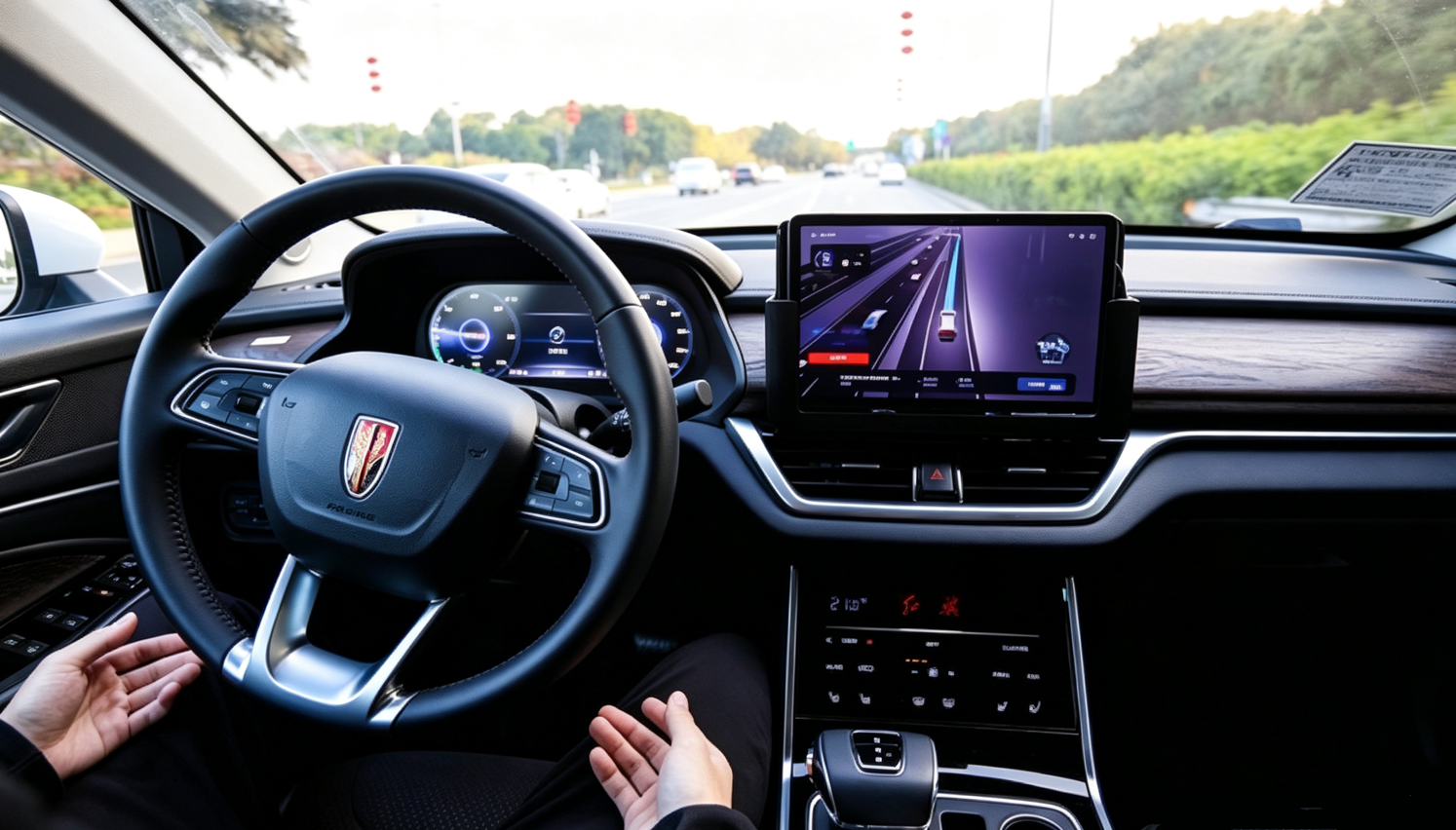
But Li promises that ONVO will fully roll out urban assist driving (OSD) later this year.
The NT3’s electrical architecture is futureproof for a ten-year cycle.
For instance, its custom electronic fuse is being called a “100% smart fuse” by NIO—essentially functioning like a chip, close to an FPGA or ASIC.
The platform also reduces 50% of ECU count and lowers low-voltage harness weight by 28%.

Inside, the L90 is the first ONVO/NIO car to offer the “fridge-TV-sofa” experience, thanks to a new 17.3-inch ceiling-mounted screen for second-row passengers. Additional tech like AR-HUD, Qualcomm 8295 chip, and 23 speakers come standard.
What Does $25,200 Mean?
What does ¥179,800 ($25,200) really mean?
If paired with NIO’s unique BaaS model, it brings the L90’s price into the range of the BYD Song Plus’s top trim, which sold nearly 27,000 units in June.
Most competitors at this price point offer spacious five-seaters, like the XPeng G6 or Lynk & Co 08.
The L90’s entry into this price class—while being a full-size, 5.15m electric SUV—is a bold break from conventional thinking in China’s auto market.
With larger size and a more premium feel, the L90 keeps its boxy design and efficiency edge through its NT3 platform. From the very start, the L90 has been defined as a product meant to win.
Even at ¥260,000–¥300,000 ($36,400–$42,000) fully loaded, it retains advantages in efficiency and space.
Its standard features alone—ADB headlights, soft-close doors, compressor refrigerator, and 23 speakers—make a strong case.
NIO’s future hangs on 2025, but July’s success is already being defined by the L90.
Do you believe in the all-out effort William Li and ONVO showed last night?
Discover more from ChinaEVHome
Subscribe to get the latest posts sent to your email.