Leapmotor’s self-developed battery packs have already received orders from over five new energy commercial vehicle (NECV) customers, and its client base continues to grow.
As its vehicle sales increase, Leapmotor is now entering the power battery market as a parts supplier, drawing inspiration from BYD’s business model.
According to 36Kr, Lingxiao Energy — a Leapmotor subsidiary focused on battery technology R&D — has officially started supplying its self-developed battery packs to external customers. It has already secured orders from more than five NECV clients and is in in-depth negotiations with manufacturers such as Seazon Motor.
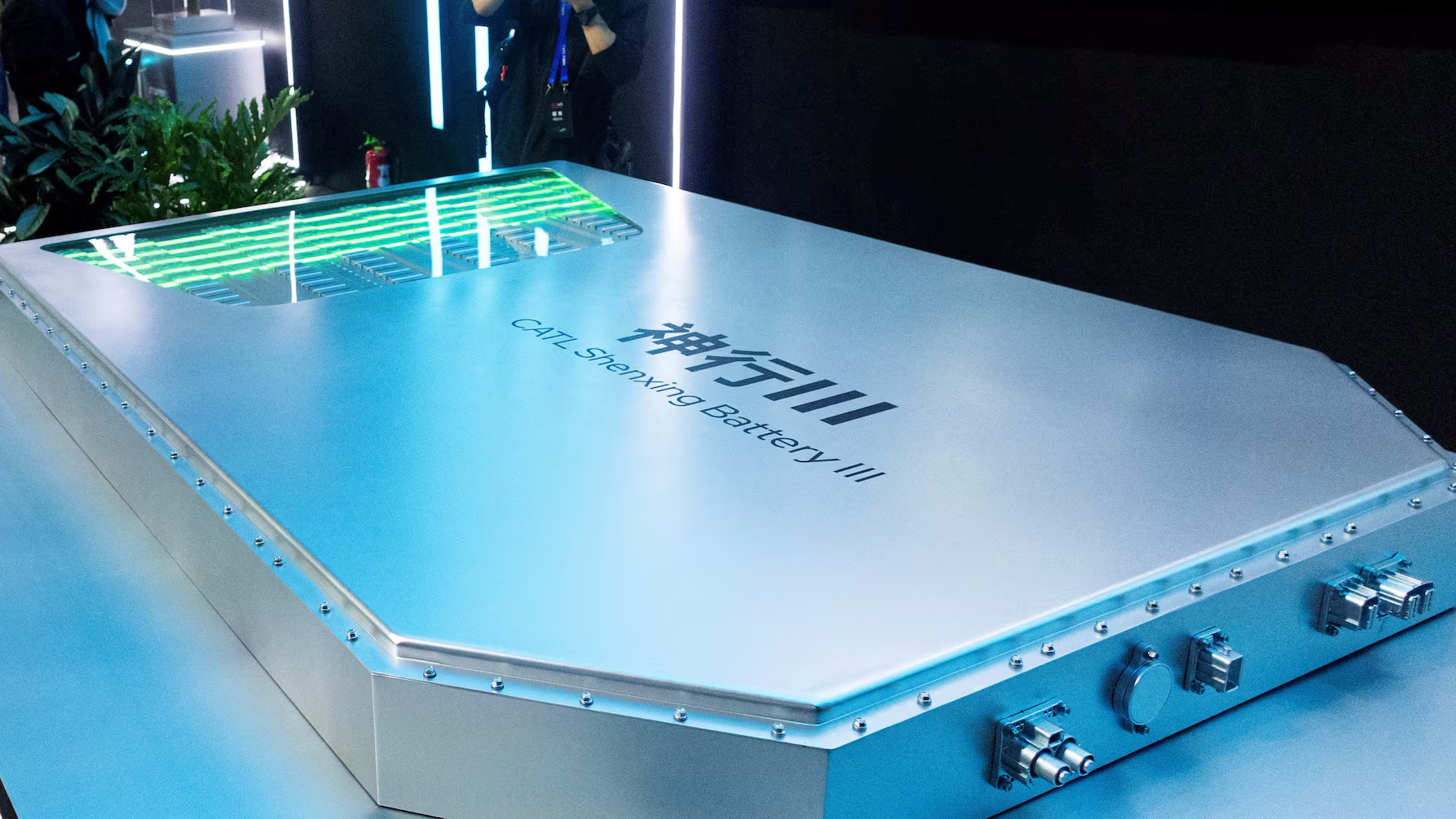
These battery packs are system-integrated by Leapmotor, while the core cells are mainly sourced from CATL and other battery manufacturers. This model enables Leapmotor to offer CATL a more cost-effective solution, helping CATL further penetrate the commercial vehicle market.

For NEV makers, supplying self-developed components to external parties is rare in the passenger vehicle sector.
On one hand, supply chains are mature; on the other hand, due to commercial confidentiality, OEMs generally avoid using critical components from competitors. However, in the commercial vehicle sector, customers prioritize cost and compatibility — providing Leapmotor with a breakthrough opportunity.
From a strategic perspective, external supply of battery packs marks an extension of Leapmotor’s dual-track development model: “vehicle manufacturing + components supply.” Following its joint venture Leapmotor International with Stellantis and its cooperation with Hongqi to develop export models, Leapmotor is now expanding its component business into the commercial vehicle market — a move that not only helps share R&D costs but also opens up new revenue streams.
For CATL, this partnership is also strategically significant. In recent years, it has been actively promoting its “Textrans” series of commercial vehicle batteries. By partnering with Leapmotor to handle final assembly and delivery, CATL can enhance its market penetration efficiency and better compete with battery companies like BYD.

According to official Leapmotor data, in the first half of this year, the company delivered a total of 221,700 new vehicles — a year-on-year increase of 156%. In July alone, deliveries exceeded 50,000 units for the first time, up over 126% year-on-year.
Assuming battery procurement accounts for 30% of cost of sales, Leapmotor’s battery procurement in Q1 alone exceeded RMB 2.5 billion ($350 million).
This business transformation signals that Leapmotor is moving beyond its prior focus on internal cost reduction and toward building external supply capabilities. Its component business is now entering a new stage of development.
Discover more from ChinaEVHome
Subscribe to get the latest posts sent to your email.