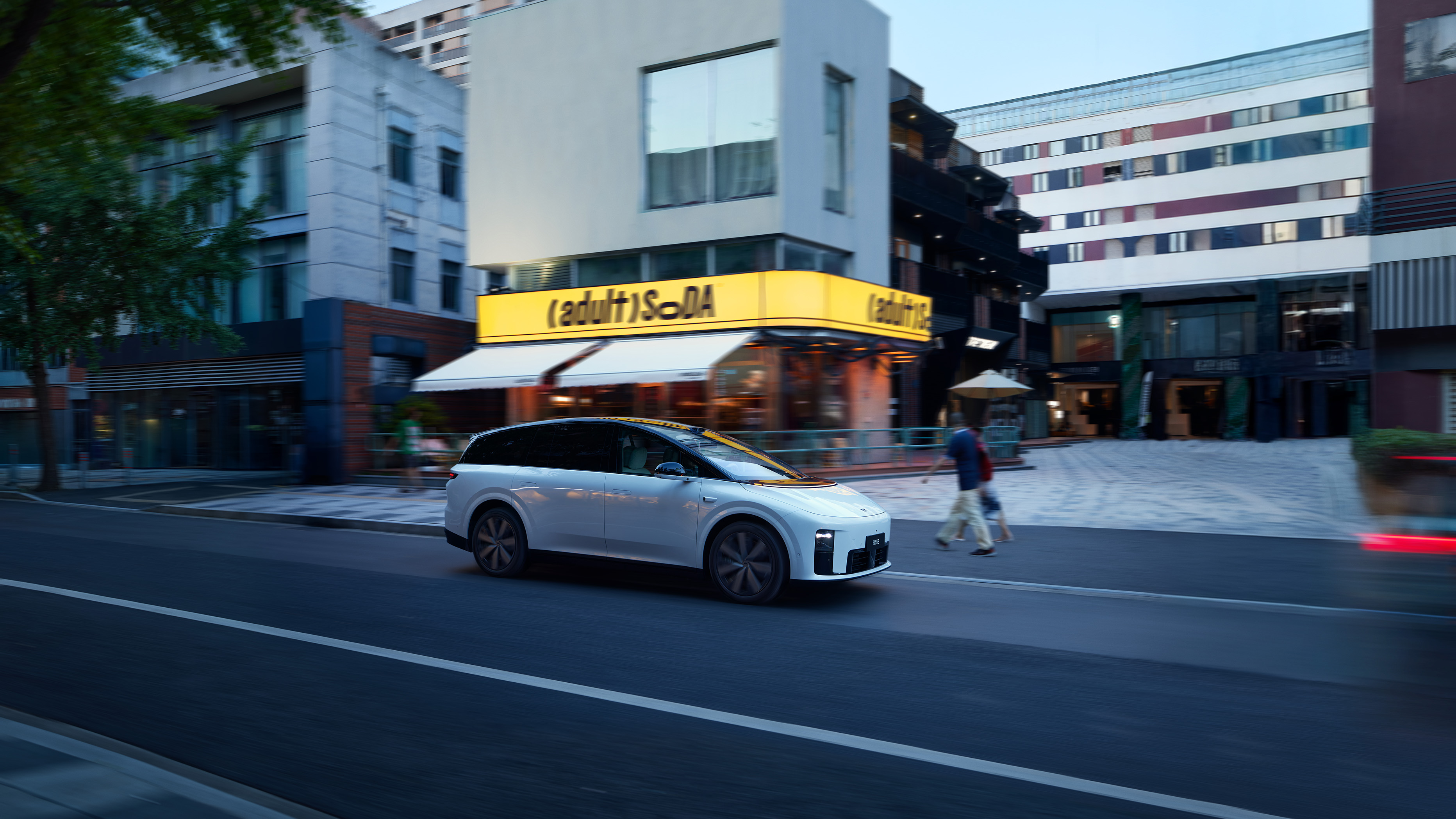
In Q2 2025, Li Auto reported a quarterly net profit of $153 million, marking its 11th profitable quarter despite increased competition among EV makers.
In the second quarter (Q2) of 2025, Li Auto posted its 11th consecutive profitable quarter.
The company reported a quarterly net profit of RMB 1.1 billion ($153 million), down 0.4% year-on-year but up 69.6% compared with Q2.
The gain was mainly driven by nearly 30% more deliveries compared with Q1, while maintaining stable profit margins.
After two and a half years of profitability built on its extended-range EV lineup, Li Auto has reached a relatively steady operating phase. But competition among China’s new EV makers is intensifying.
New rivals in the extended-range space, an escalating battle in pure EVs, and diverging paths in autonomous driving are the three main sources of Li Auto’s growing sense of urgency in 2025.
On one side, brands like AITO, Voyah, Lynk & Co, and Galaxy are surging forward in the extended-range and long-range plug-in hybrid segment. On the other, Li Auto’s i8 and upcoming i6 must contend with popular pure EV competitors including the ONVO L90, Xiaomi YU7, and Tesla Model Y L.
How does founder and CEO Li Xiang view the coming battles? Can Li Auto’s VLA system become the ace up its sleeve to strengthen brand positioning? And can the company still meet its annual sales target?
Can the i6 Sell Well?
Last night, Li Xiang and President Ma Donghui confirmed that the i6 will officially launch and start deliveries at the end of September.

The i6 is positioned as a mainstream pure-electric SUV in Li Auto’s portfolio, competing directly with the Xiaomi YU7, Tesla Model Y, and ONVO L60. This RMB 200,000–300,000 ($27,900–41,800) pure EV SUV segment has already become one of the fiercest battlegrounds in China’s EV market.
Although product details remain limited, Li Xiang expressed strong confidence, calling the i6 “the most competitive mid-to-large five-seat pure-electric SUV.” He attributed this to its design, interior comfort, range reliability, and integration of Li Auto’s VLA large AI model, adding that it would be “the best-driving product Li Auto has ever built.”
On sales strategy, Li pledged a more user-centric marketing approach. He also stressed enhanced training for service and delivery teams to further leverage Li Auto’s execution advantage in customer experience.
Perhaps most striking was his closing remark on the i6’s publicity strategy:
“This time with the i6, we must be proactive in managing public opinion, ensuring previous issues are not repeated.”
Marketing Restructuring
Beyond products, Li Auto is pushing forward with reforms to its marketing and sales structure.

According to Chinese media outlets, Li Auto announced in an internal meeting on August 14 a major reorganization of its sales and service system.
The previous “five-region” framework has been consolidated into a unified Sales Department, headed by former Central Region lead Han Xi, with two new divisions added: Sales Operations and Marketing.
This marks the second such reform in less than six months, following changes introduced in March.
In tonight’s earnings call, Ma Donghui explained that Li Auto’s restructuring efforts also cover store site-selection, strengthening its training academy, and reinforcing delivery teams. With the adjustments largely complete, the company has now entered a new operational phase.
Ma cited three main drivers behind the changes: boosting both online and offline lead generation while ensuring competitive compensation for frontline sales staff; redefining store manager training and career paths; and flattening the reporting hierarchy to increase organizational efficiency.
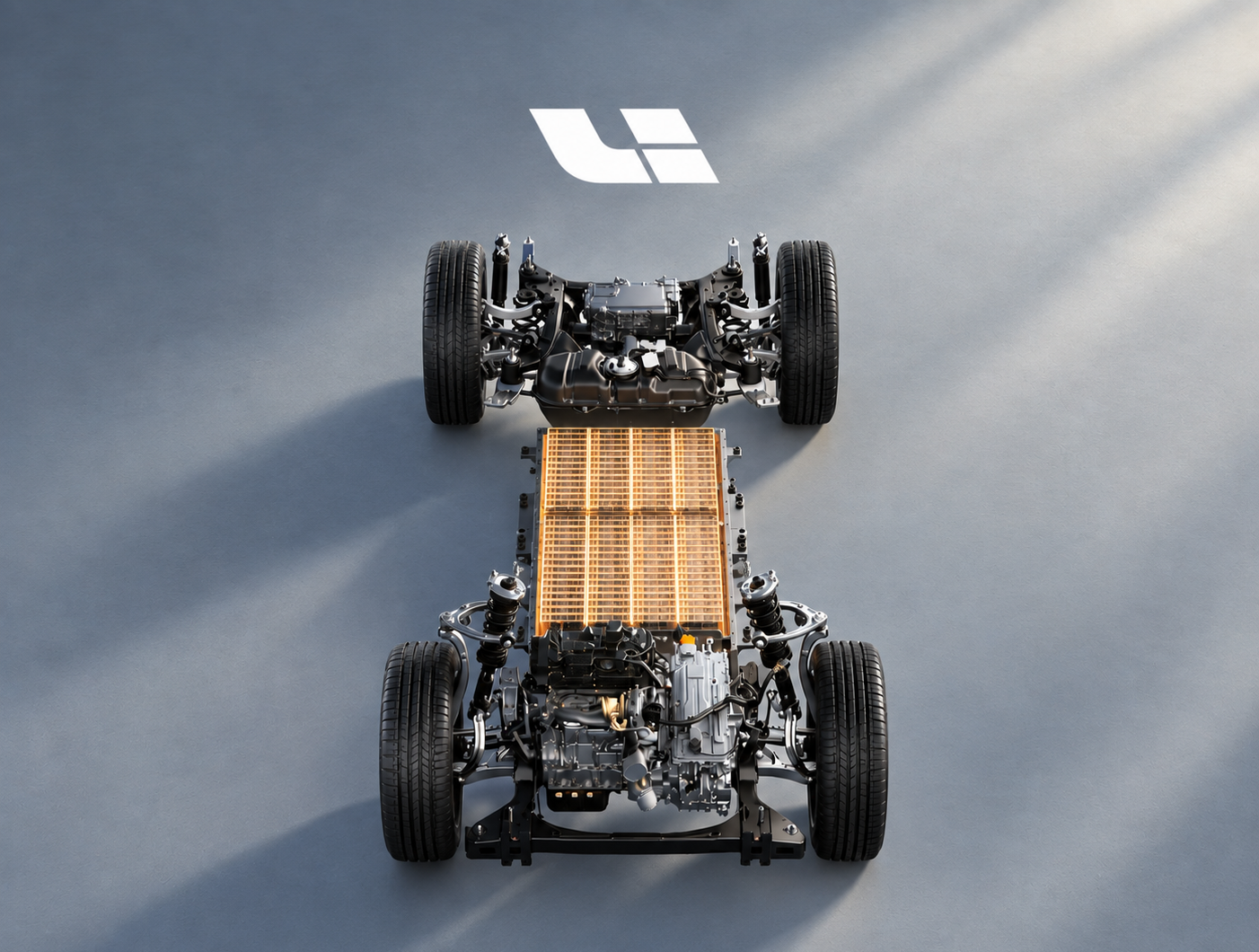
Returning to products, Li Xiang said Li Auto will accelerate both platform upgrades and product iteration.
Specifically, by 2026, he aims to elevate Li Auto’s vehicle and AI innovation to the same level of industry leadership that the L9 achieved in 2022.

“The problem now is, whenever we play one card, competitors play two,” Li remarked, describing the competitive tempo. In today’s dual-track era of pure EVs and extended-range EVs, Li Auto’s sales and service operations must evolve just as quickly as its products.
Ma added that to accelerate pure EV sales, Li Auto is adopting a “front-loaded” store expansion strategy—opening more locations ahead of EV launches.
Training strategies are also being tailored to regional markets: in northern China, sales staff will emphasize extended-range models and their winter endurance, while in southern regions they will highlight efficiency and space.
“These organizational adjustments won’t slow down new model launches—on the contrary, they will make us stronger,” Ma concluded.
Intelligent Driving Push
Alongside sales and products, Li Auto faces another major battleground in 2025: intelligent driving.
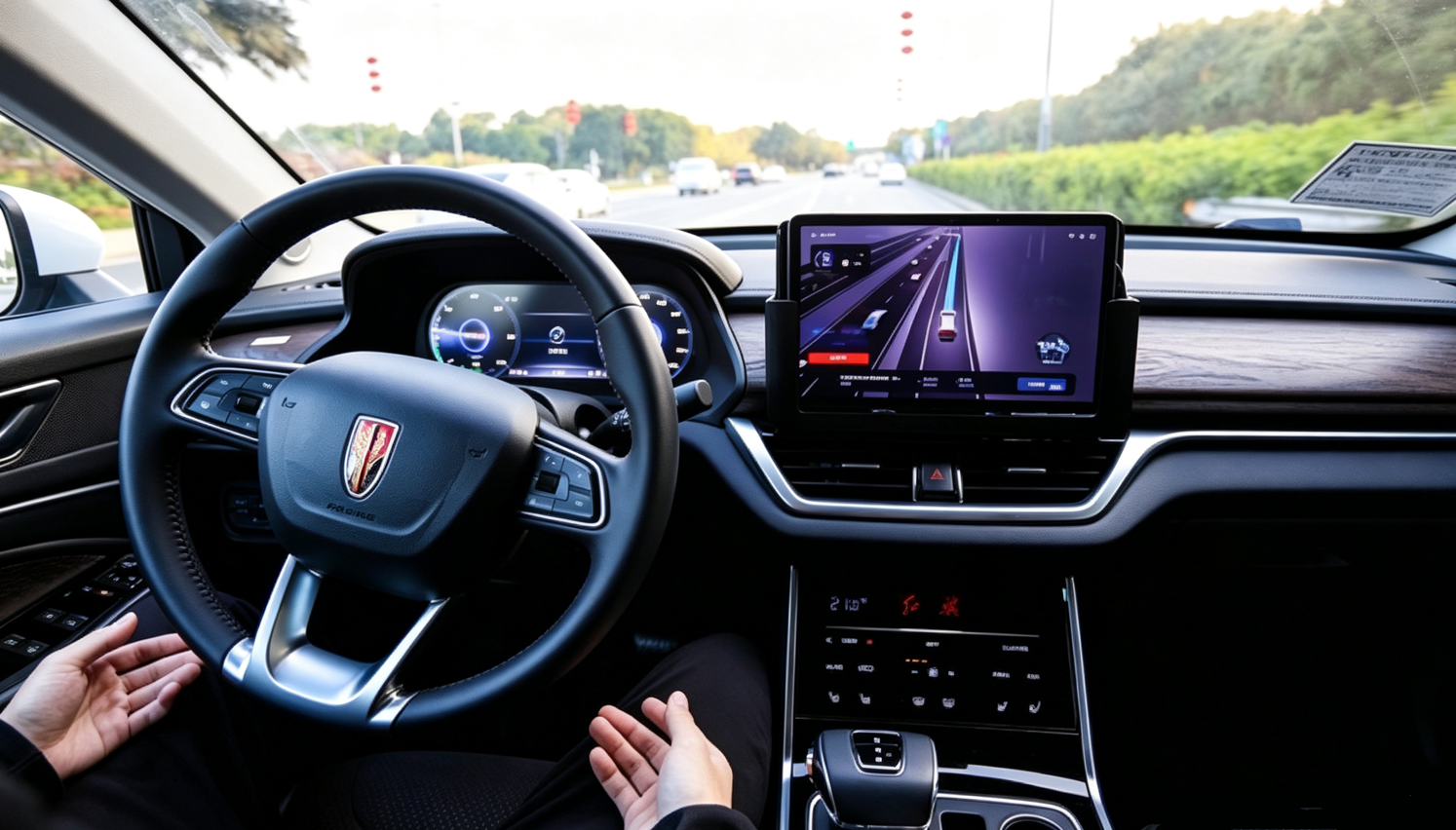
After making a marketing breakthrough last year with its VLM (Vision-Language Model), the company is now accelerating the rollout of its upgraded VLA (Vision-Language-Action) system.

Ma said in the earnings call that all L-series extended-range models equipped with AD Max will upgrade to VLA in September, with preview versions already delivered alongside the i8.
Ma compared the performance leap to “going from GPT-3.5 to GPT-4.0,” noting that parameter scale will expand from 2.2 B (VLM) to 4 B with VLA.
He emphasized that iteration speed and reinforcement learning will define the next phase of the competition, with Li Auto’s target being to “stay industry-leading.”
Li Xiang, meanwhile, described the first half of 2025 as the “darkest moment” for the autonomous driving sector, citing slow user experience improvements and regulatory hurdles.
Yet he argued that VLA represents a clear pathway toward L3, L4, and even L5 autonomy, since it mirrors human decision-making.
Interestingly, the past 24 hours alone have showcased divergent perspectives: XPeng CEO He Xiaopeng declared “only XPeng offers true VLA,” Huawei’s Jin Yuzhi posited that “Huawei will not follow the VLA route,” while Li Xiang himself reaffirmed his conviction in the technology tonight.
After regulatory setbacks in the first half, automakers are now returning with renewed strategies for the second half of 2025.
Whether Li Auto can sustain its 2024 momentum and continue positioning intelligent driving as a pillar of its brand identity remains one of its most pressing questions this year.
Discover more from ChinaEVHome
Subscribe to get the latest posts sent to your email.