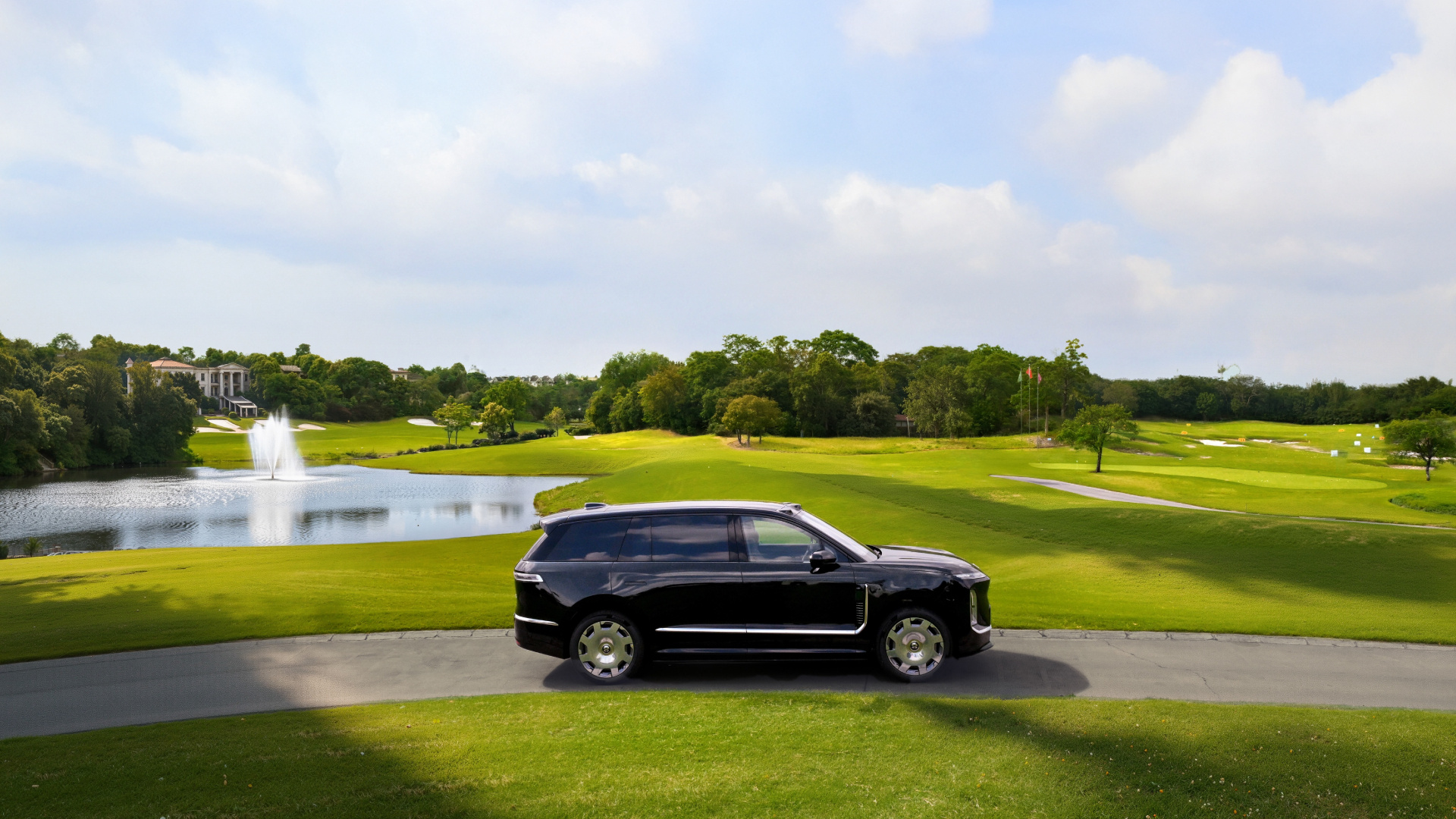
Voyah launched its all-new SUV, the Zhiyin, at the Chengdu Auto Show, featuring unique design, advanced tech, and competitive pricing.
On August 28, on the eve of the Chengdu Auto Show, Voyah officially launched its highly anticipated all-new SUV, the Voyah Zhiyin.
The model debuted with a co-branding tie-in with the popular IP “Peppa Pig,” leveraging the Chinese homophone pun on “Zhiyin” to emphasize the car’s concept of being “fully equipped.”
True to its promise, Voyah delivered on both pricing and configurations. The new Zhiyin is offered in three trims, with differences limited to powertrain and battery range, while more than 100 comfort-oriented features come as standard across the lineup.

In terms of pricing, the Voyah Zhiyin with an 81 kWh battery pack and 650 km range in its two-wheel-drive “Qiankun” edition is priced at RMB 202,900 ($28,300).
The same 81 kWh battery pack, when paired with dual-motor all-wheel drive delivering a total output of 405 kW and 0–100 km/h acceleration in 4.3 seconds, is available in the AWD Qiankun edition at RMB 222,900 ($31,000).
The long-range Qiankun edition, upgraded with a 112 kWh battery pack and offering up to 901 km of range, is priced at RMB 242,900 ($33,800).
During a group interview after the launch event, Voyah’s Chief Brand Officer Shao Mingfeng highlighted two guiding principles: “long-termism” and “listening to feedback.” Both, he suggested, are reflected in the design of the new Zhiyin.
Without further delay, here’s a closer look at the key highlights of the all-new Voyah Zhiyin.
Fully Equipped + HarmonyOS Integration
The guiding principle behind the all-new Voyah Zhiyin is straightforward: deliver the most comprehensive feature package possible for consumers.
Equally important, the Zhiyin is the brand’s first all-electric SUV developed in deep collaboration with Huawei, making its “Huawei DNA” another major highlight.
Positioned as a mid-to-large pure-electric SUV in the RMB 200,000–250,000 ($27,900–34,800) bracket, the Zhiyin delivers competitive EV credentials. Standard across all trims is an 800V high-voltage architecture, while the 81 kWh versions support 5C ultra-fast charging.
Voyah Technology CEO Lu Fang revealed that, in testing on Voyah’s proprietary megawatt-level charging piles, the Zhiyin achieved a peak charging power of 440 kW.

In terms of performance, aside from the AWD model’s 4.3-second 0–100 km/h sprint and combined output of 405 kW and 770 N·m, the company gave little detail. That is intentional: the Zhiyin is positioned squarely as a “family car,” prioritizing cabin space and comfort over pure acceleration. Lu Fang disclosed that Voyah invested RMB 500 million ($69.6 million) into the model, delivering 1,202 upgrades—most focused on interior optimization and comfort.
The Zhiyin measures 4,810 x 1,900 x 1,636 mm, with a 2,925 mm wheelbase. Voyah claims a cabin space utilization rate of 90.8%, with usable interior area exceeding 5.2 m². The second-row legroom, at 1,038 mm, is billed as the largest in its class.

Cargo capacity is also impressive: a dual-layer trunk offering up to 652 liters of space. As the company describes it: “big cabin, big second row, big storage.”
Every trim comes equipped with comfort amenities typically reserved for higher-end models. These include a 7-liter dual-door compressor refrigerator built into the center console, a zero-gravity passenger seat, heated and ventilated seating front and rear, and front-row massage functions. Rear seats feature electrically adjustable backrests for enhanced comfort.

Other cabin highlights include an in-car fragrance system, a 15.6-inch infotainment screen, and five pop-up hooks for storage versatility.
On the chassis side, the Zhiyin is equipped with EDC adaptive dampers for smoother ride quality.
Exterior and interior refinements include a 46.75-inch animated LED “Galaxy” front light curtain with 264 diodes, OLED taillights for improved brightness and purer red tones, six exterior paint options, and three interior color schemes aimed at younger buyers.

The all-new Voyah Zhiyin offers six exterior paint options and three interior color schemes, with an overall design that leans toward a younger aesthetic.
Shao Mingfeng revealed that the target audience for the new Zhiyin is “young families” with an average age of around 25. Internally, the expectation is for it to form a “twin-star” pairing with the Voyah Free+ and become a top-three “hit model” in its segment.
Strength Built Over Time
Just minutes after its launch, the Zhiyin generated strong initial momentum—securing more than 3,000 orders in just 12 minutes.
While this is still some distance from its Top-3 segment target, Voyah’s performance has been steadily improving throughout 2025.
Lu Fang attributes this to two factors: continuous improvements in both product and service, and a steadfast commitment to what he calls the “right direction.”
That “right direction” involves both precise product positioning—such as the Voyah Dreamer, which launched as a high-end new energy MPV and rose to become the segment leader—and accurate technological roadmap decisions.
Shao highlighted Voyah’s dual approach: full-stack in-house R&D on core technologies, combined with strategic partnerships with leading firms such as Huawei and CATL.
With the Zhiyin, the intent is clear: this is a “Huawei-powered car.” It features the HarmonyOS 5 cockpit and the latest ADS 4 intelligent driving system.
Lu Fang further stressed that the vehicle adopts Huawei’s “full-strength” intelligent driving suite, including a 192-line LiDAR system capable of advanced “end-to-end” and “parking-to-parking 2.0” autonomous features—all standard across the lineup.

“In Voyah’s view, if consumers are drawn to Huawei’s intelligent driving, they expect the full experience,” Lu Fang said.
This philosophy also explains how Voyah differentiates itself from other Huawei-partnered automakers. According to Lu Fang, the difference comes down to “working harder and paying more attention to detail”—in essence, diligence rewarded.
At the same time, Voyah continues to emphasize efficiency and technical rigor. Addressing concerns that the Zhiyin’s attractive pricing might come at the cost of compromises, Lu Fang was clear: “We have bottom lines on gross margin—we won’t cut corners.” He added that maximizing cabin space utilization does not mean sacrificing structural integrity.
As a former automotive engineer himself, Lu Fang described the company’s approach to safety—both passive and active—as an “obsession.”
This is why the launch presentation devoted significant time to the Zhiyin’s advances in AEB (automatic emergency braking) and RAEB (rear automatic emergency braking).
Taken together, the new Zhiyin reflects Voyah’s established playbook: build technically robust products and deliver strong user experience.
Whether through “Huawei-powered” intelligent systems or its “fully equipped” product philosophy, Voyah leaders stressed that its success comes from long-term accumulation, not shortcuts.
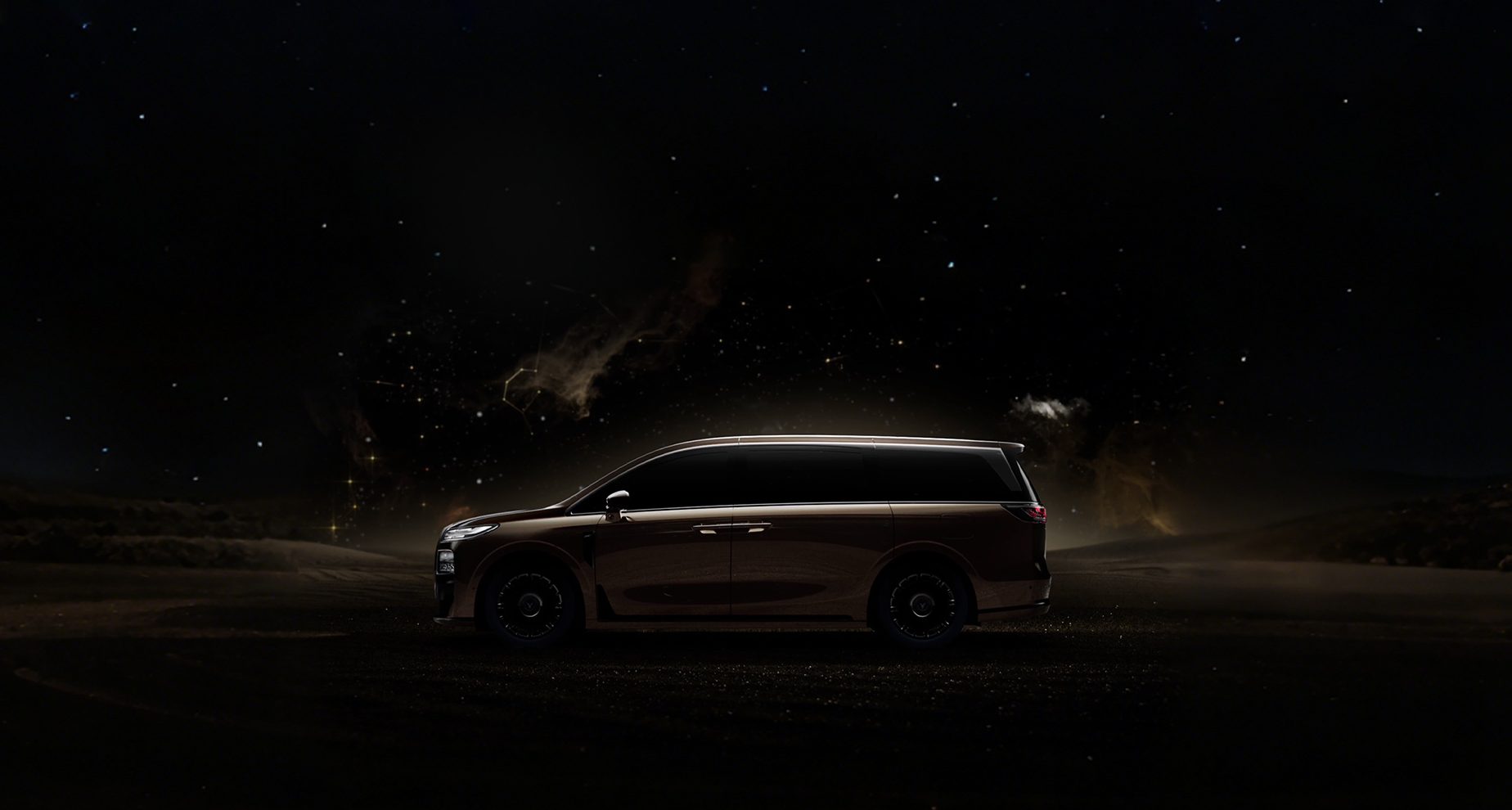
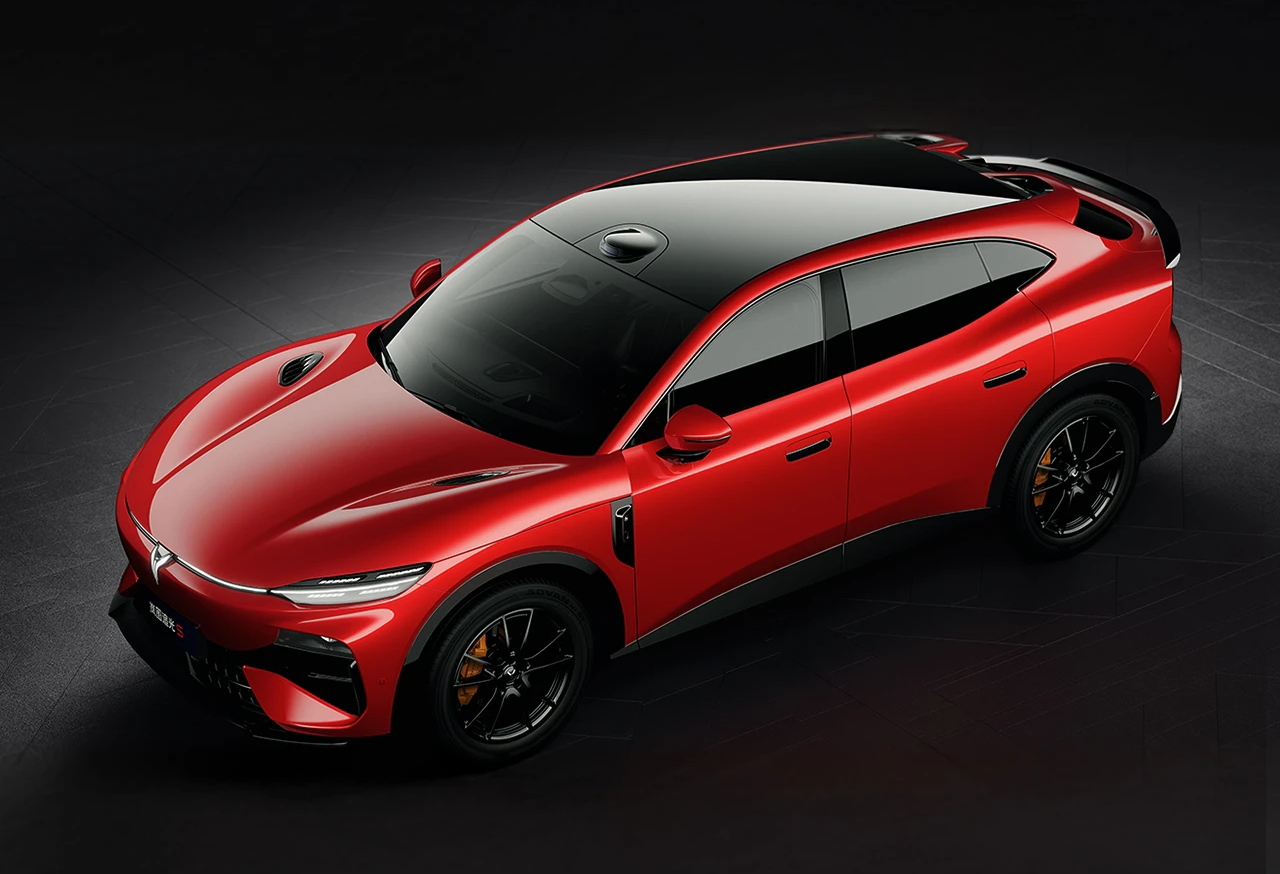
Looking ahead, on August 29 at the Chengdu Auto Show media day, Voyah will open pre-sales for two additional models—the 2026 Dreamer and the Zhuiguang L. Industry watchers will be keen to see whether the distinct “Voyah DNA” carries over into these upcoming launches.
Discover more from ChinaEVHome
Subscribe to get the latest posts sent to your email.