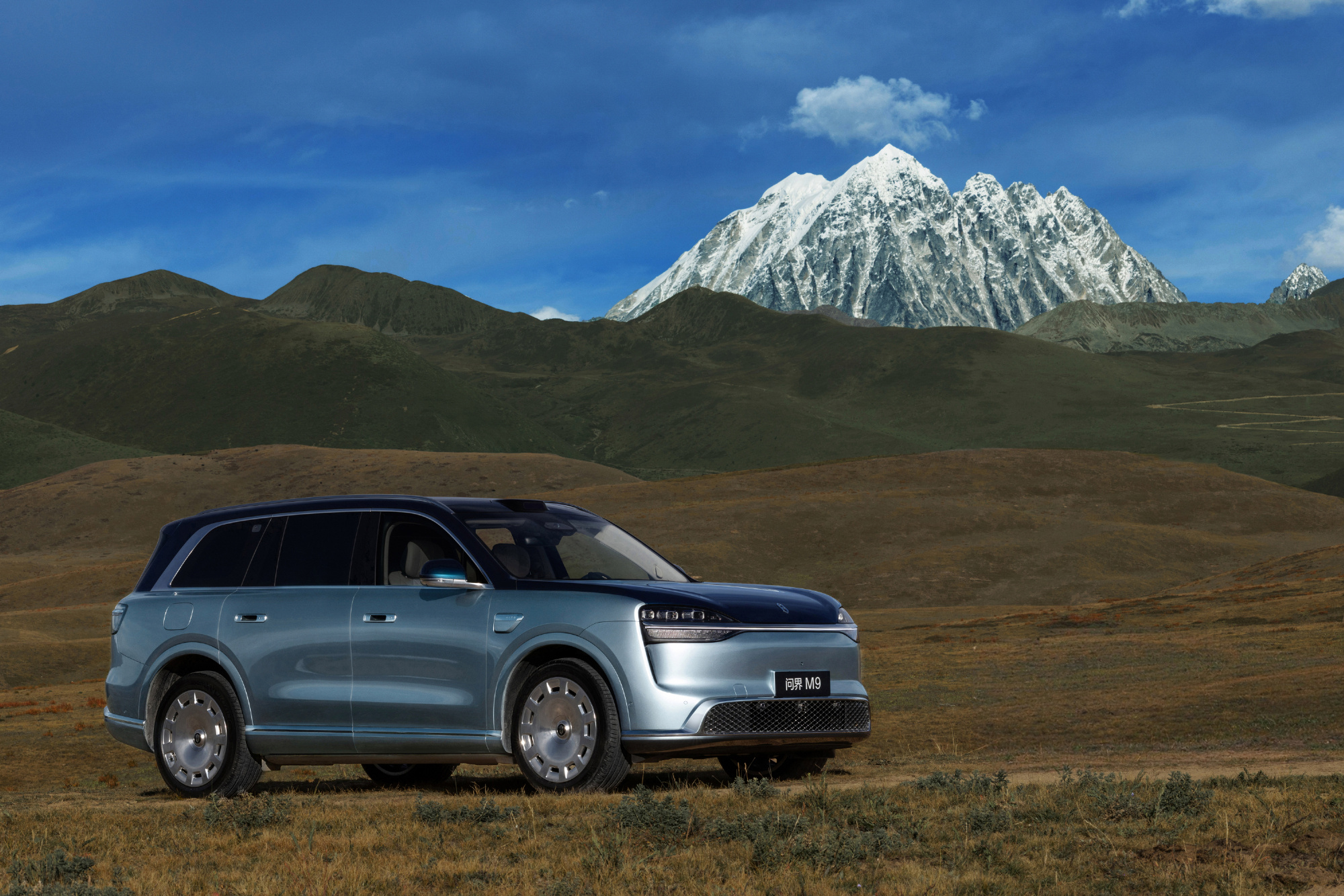
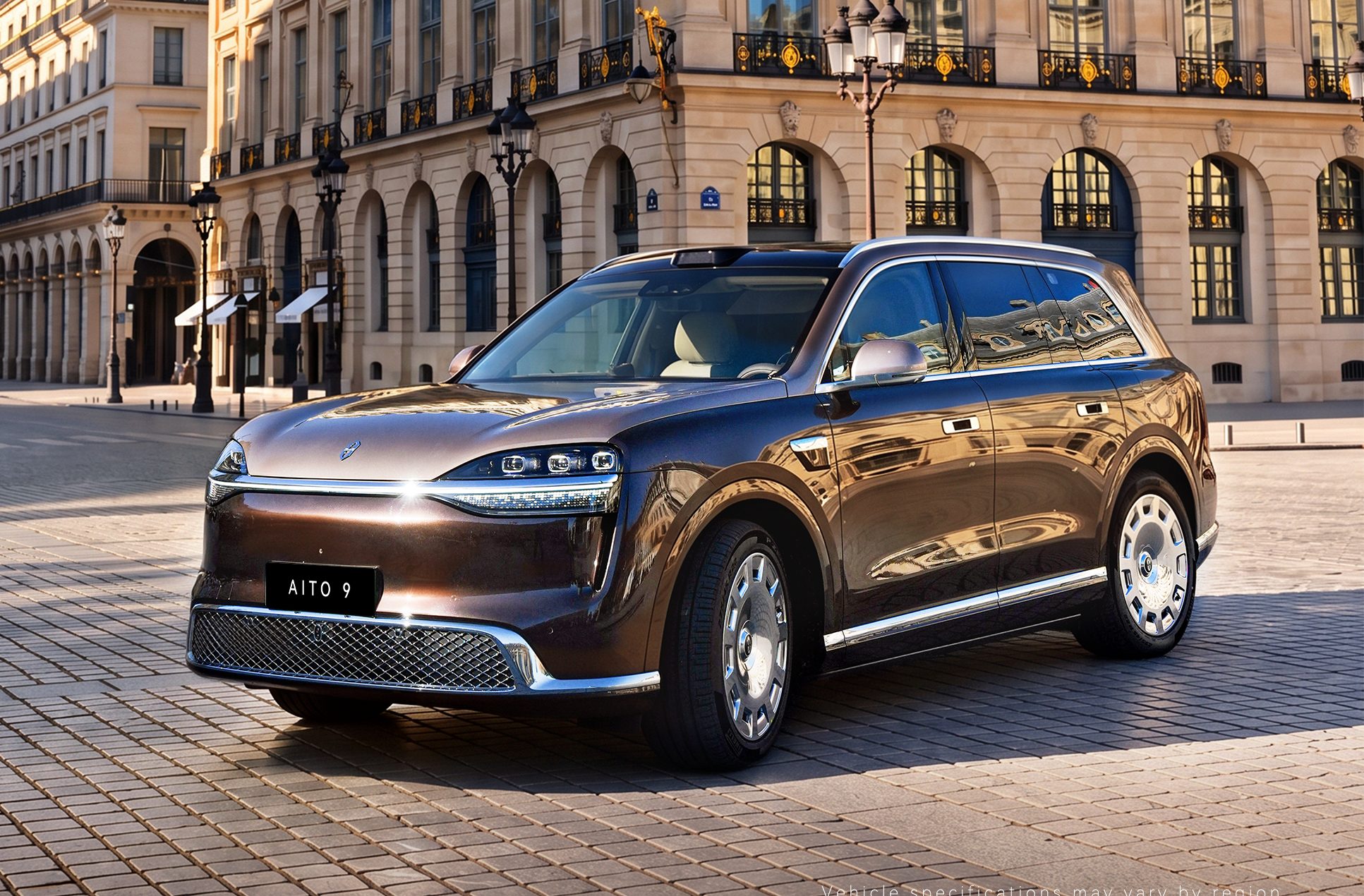
The Voyah Zhiyin, a Huawei-backed all-electric SUV priced from $28,300, emphasizes advanced driving features and competitive technology, aiming to establish a strong market presence ahead of rivals.
“The all-new Voyah Zhiyin is the only genuine, full-powered Huawei-backed all-electric SUV available for around RMB 200,000 ($27,900).”

That was the punchline of Voyah Auto Chief Brand Officer Shao Mingfeng’s speech today after announcing the new Zhiyin’s price range of RMB 202,900–242,900 ($28,300–33,800), setting a combative tone.
As Huawei expands its partnerships in the auto sector, consumer attention toward its partner brands has begun to fragment, and Voyah seems intent on reinforcing its own ties with Huawei.
For example, while announcing the new Zhiyin’s pricing, Shao “reminded” users: “There are now many companies partnering with Huawei, and countless integration schemes across brands.
Some rivals advertise high-end Huawei ADAS systems under RMB 200,000 ($27,900), but in reality, only their top trims actually come equipped.”
He criticized such practices—glossing over trim-level differences—as nothing more than “pure wordplay. On the surface, the price looks lower, but in reality, the functional experience and safety protections are greatly reduced.”

The confidence behind such remarks stems from the new Zhiyin’s starting price of RMB 202,900 ($28,300), with Huawei ADS 4 advanced driving capabilities and HarmonyOS 5 cockpit features offered as standard across all trims, delivering full-scenario assisted driving.
The car’s Huawei ADS CAS 3.0 all-direction collision avoidance has also been upgraded to the CAS 4.0 omni-directional system, further strengthening active safety.
But why does Voyah choose to aim directly at other Huawei-partnered models, rather than EV newcomers positioned closer to itself? And why the strong focus on assisted driving? Let’s take a closer look.
At a time when most new energy SUVs are marketed for being “big and spacious,” the new Voyah Zhiyin differentiates itself by sharpening key product highlights.
Similar to recent generational upgrades among EV SUVs, the new Zhiyin is larger than the 2024 model, with length extended from 4.7 to 4.8 meters and wheelbase increased from 2,900 mm to 2,925 mm, delivering a significantly more spacious cabin.
Meanwhile, the 5C ultra-fast-charging battery, previously reserved for mid-tier trims, now extends to entry-level versions as well.
However, except for the RMB 242,900 ($33,800) flagship trim, the mid- and lower-tier variants—while upgraded in battery capacity—show adjusted CLTC ranges, shifting from 625 km and 650 km to 650 km and 600 km, respectively.

This may be attributed to added weight from the larger vehicle size, while the mid-tier dual-motor AWD variant (175 kW front / 375 kW rear) further increases curb weight, impacting overall range.
On the dynamics front, however, the new Zhiyin comes standard with EDC adaptive damping suspension and a front MacPherson + rear five-link independent suspension system, enhancing handling stability and driving experience.
Yet in China’s hyper-competitive SUV market, such features face immense pressure. When it comes to size and value, rivals like ONVO L90 and XPeng G6/9 are strong contenders.
In terms of driving performance, each brand has its strengths, often compromising in other areas. Where brands can most effectively differentiate—and command a premium—is intelligence, or more specifically, advanced assisted driving.
In this domain, Huawei already enjoys a strong reputation. Voyah’s flagship model, the Dreamer, is often perceived as having been elevated by Huawei’s ADS suite. As one of the first EVs equipped with Huawei ADS 4, Voyah must quickly build public recognition of the new Zhiyin’s assisted driving capabilities and its close association with Huawei—especially before the launch of the Shangjie H5.
The Shangjie H5, currently the entry-level SUV in the Harmony Intelligent Mobility lineup, targets the very same mass-market segment as the Zhiyin.
While Shao’s comments did not explicitly name the Shangjie H5, the model’s presale details show that the Pro version carries Huawei ADS 4 basic, while the Max version features ADS 4 advanced—making it easy to connect his critique to this rival.
As a pure EV, the Shangjie H5 Max is priced at RMB 195,800–209,800 ($27,300–29,200). The higher variant, equipped with an 80 kWh battery, delivers a CLTC range of 640 km, only slightly below the entry-level Zhiyin at RMB 202,900 ($28,300).
The Zhiyin nonetheless boasts several advantages: a 5C battery standard even on mid- and lower-tier trims, full-powered ADS 4 across the lineup, a slightly larger body than the Shangjie H5, and peak charging power of 440 kW.
All are strong selling points within its segment, and give it a competitive edge against the H5.
Still, as a product of the Huawei–SAIC partnership, the Shangjie H5 has enjoyed significant publicity since its first reveal—a level of exposure that traditional automakers’ EV spin-offs often lack, and a competitive factor that rivals remain wary of.
The question now is whether the all-new Voyah Zhiyin, with its comprehensive standard features and backing from Dongfeng Motor and Huawei, can seize the initiative and establish an early lead before the Shangjie H5 arrives.
Its performance at launch—3,000 firm orders within just 12 minutes—may well be its first answer sheet.

Discover more from ChinaEVHome
Subscribe to get the latest posts sent to your email.