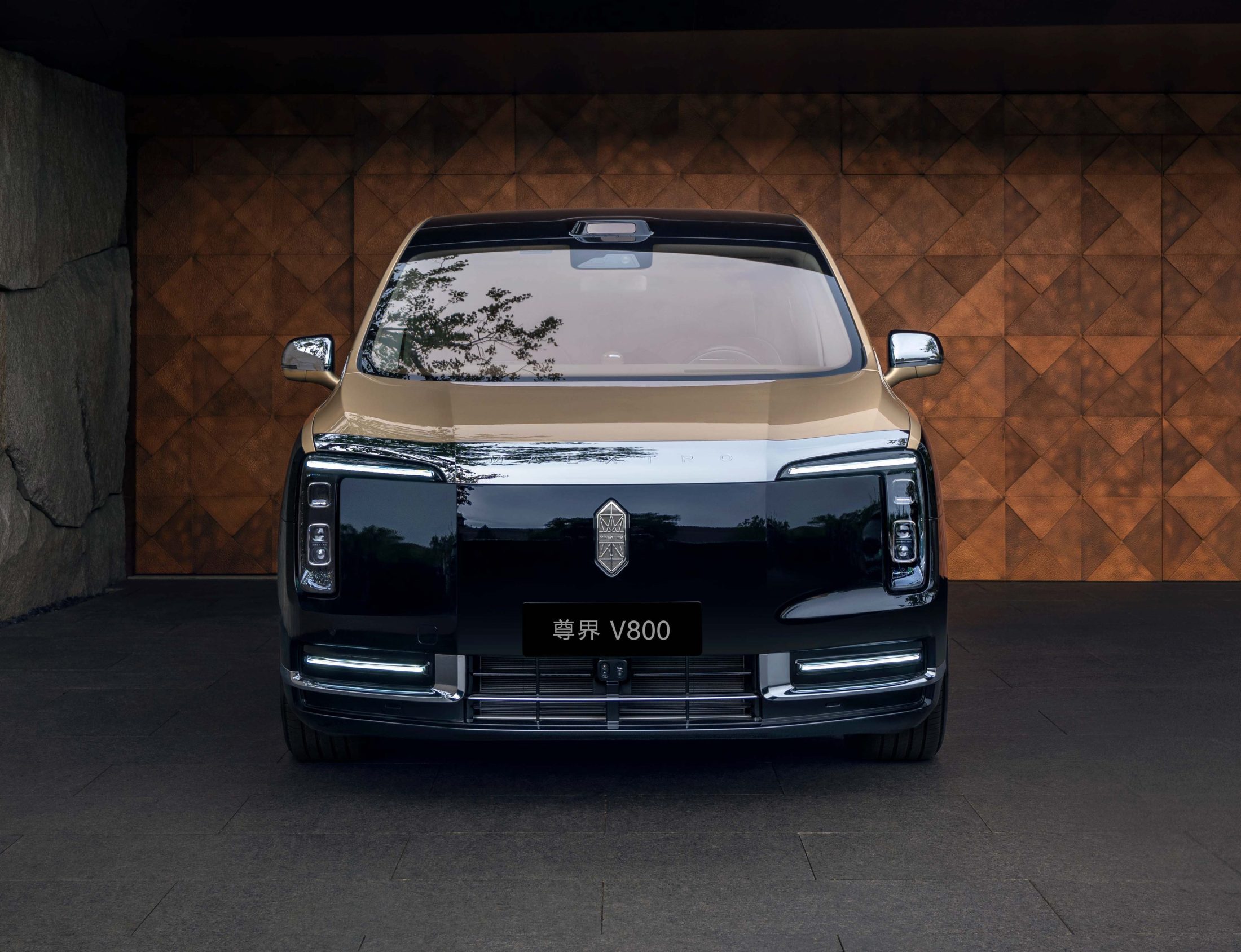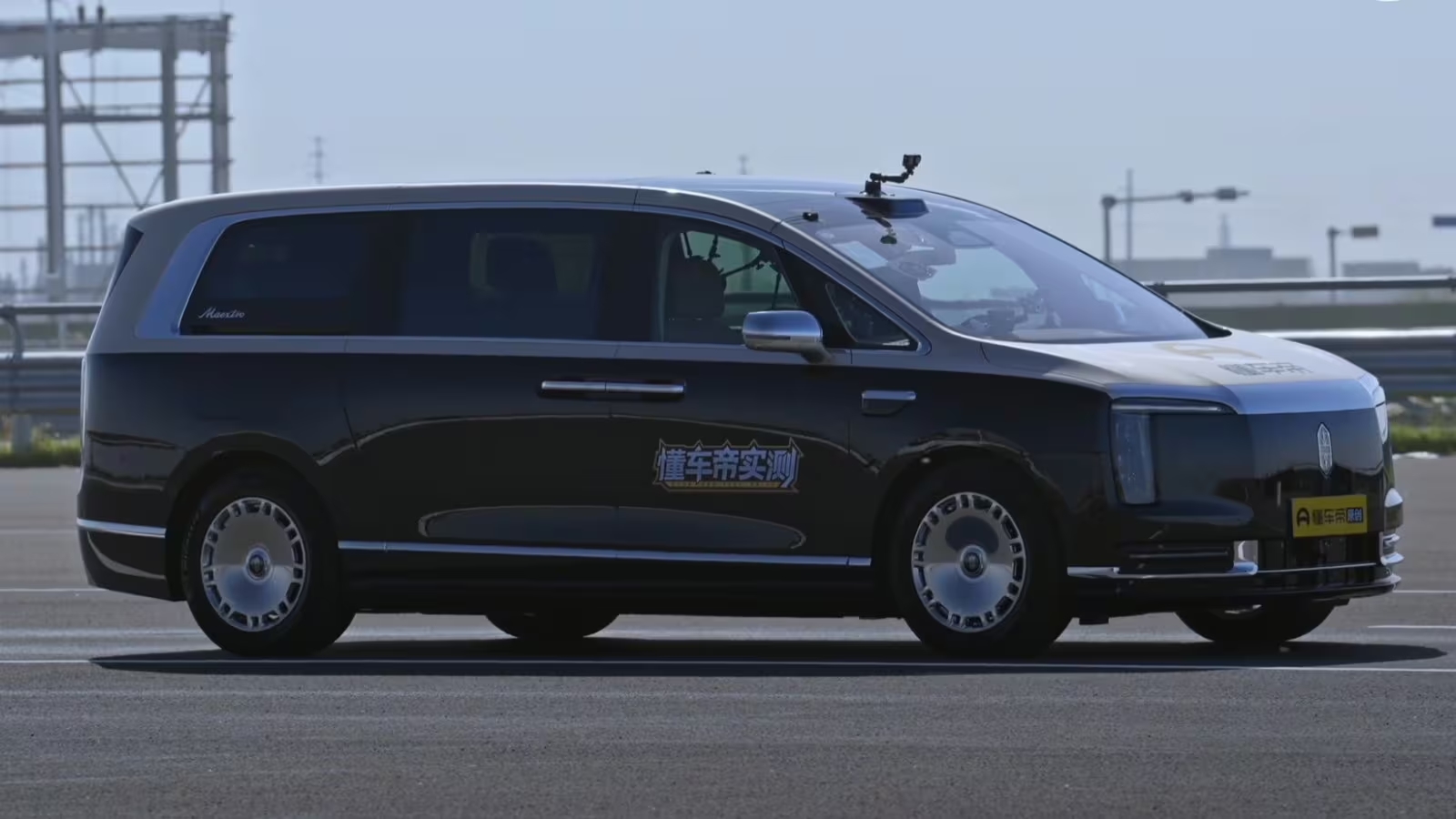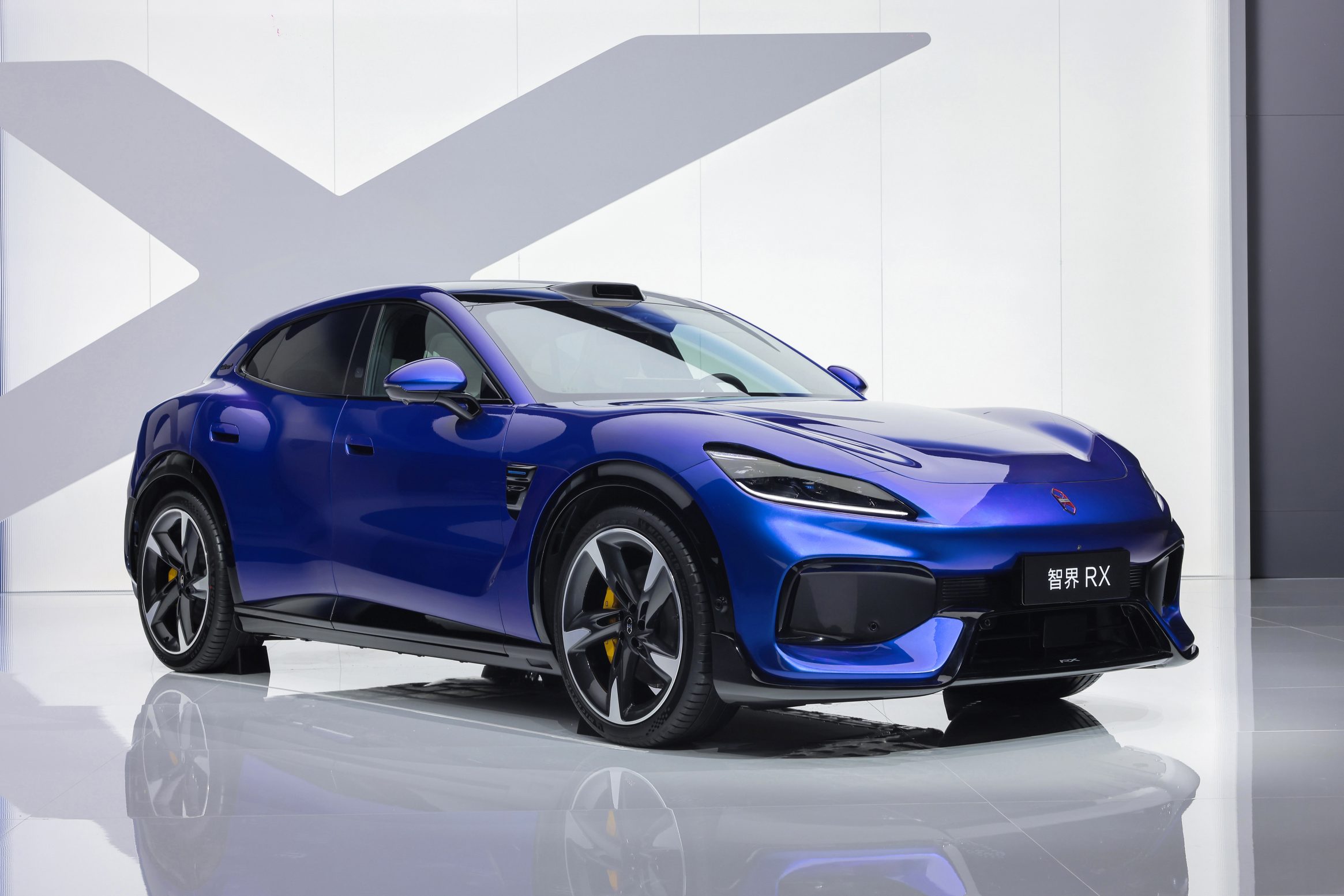
- AITO will pursue EU Whole Vehicle Type Approval in Germany and target a 2027 European launch while maintaining premium positioning and replicating its domestic sales, service and ecosystem overseas.
- AITO’s showcased SUV lineup maps to Chinese M6/M7/M8/M9 models and uses Huawei smart cockpits, assisted driving tech and partner batteries; Seres reported H1 revenue RMB 57.42 billion ($8.58 billion) and a RMB 1.72 billion ($257.0 million) net loss.
- The brand targets premium SUV buyers versus legacy German marques and EV rivals, but execution risks include rigorous EU certification, Euro NCAP testing, stretched service rollout and worsening domestic sales and margins.
AITO, the premium EV brand jointly developed by Huawei and Seres, plans to enter the European market in 2027, according to Chinese financial news outlet CLS.
The brand is currently advancing EU Whole Vehicle Type Approval (WVTA) certification for its full lineup under the E1 framework in Germany. It has selected Germany, known for its strict regulatory standards, as the lead market for testing, review and certification. The project is also undergoing the 2026 Euro NCAP five-star safety assessment.

Seres said AITO’s overseas expansion strategy will maintain its premium positioning. The company plans to replicate its mature domestic user ecosystem, sales channels and service capabilities overseas, while establishing a global premium retail and service network.
Seres has set a long-term target for overseas markets to account for one-third of its total vehicle sales.
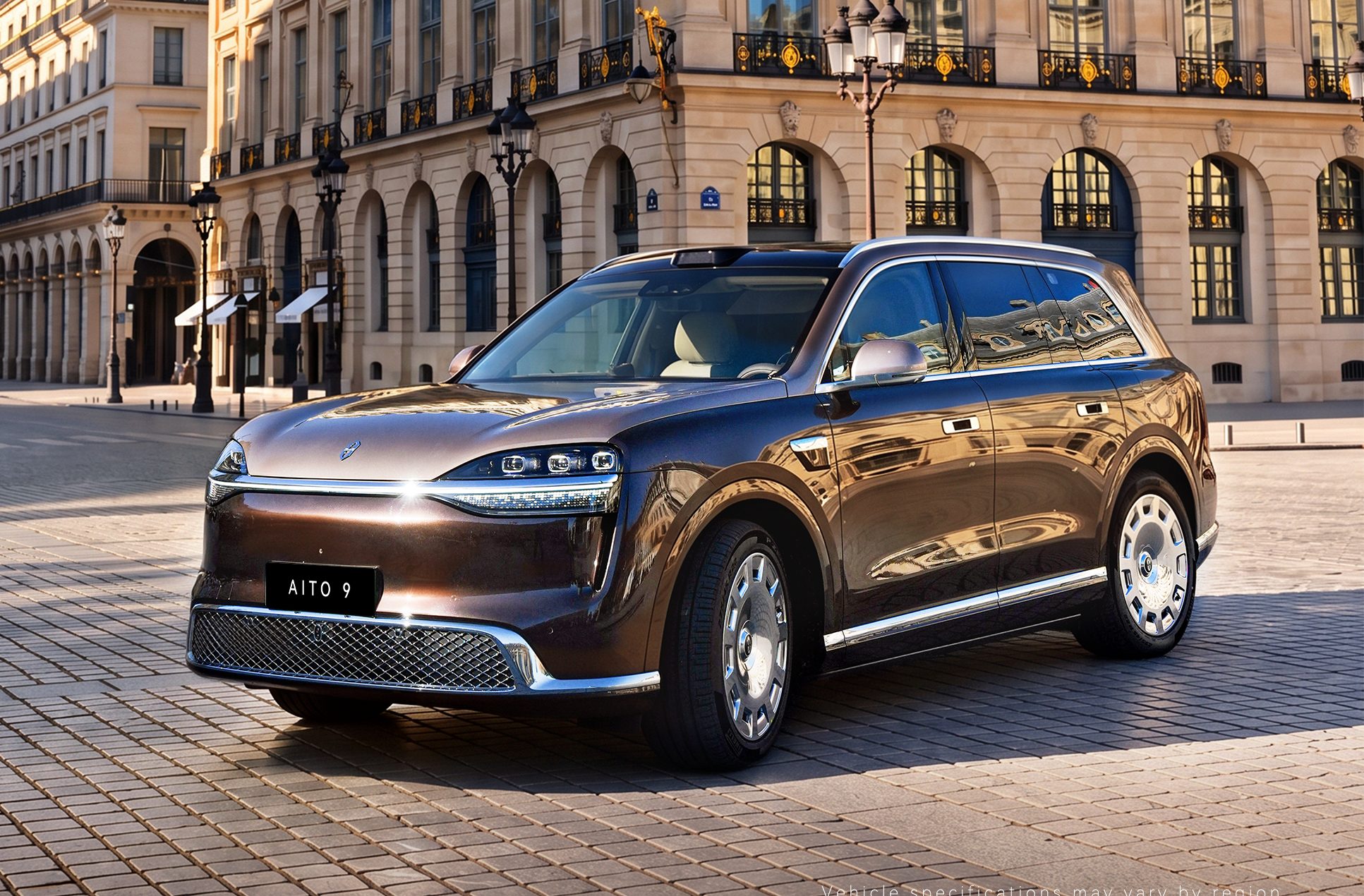
Recent moves suggest AITO is accelerating its European product rollout. At the 2026 Paris Motor Show, the brand will showcase its SUV lineup, including the AITO 6, AITO 7, AITO 8 and AITO 9.
The models correspond to the AITO M6, M7, M8 and M9 in China, covering segments from large SUVs to flagship SUVs.

As a premium brand under Huawei’s Harmony Intelligent Mobility Alliance (HIMA), AITO’s core advantage comes from Huawei’s intelligent vehicle technology ecosystem.
AITO vehicles currently feature Huawei’s smart cockpit, intelligent driving assistance systems and other smart vehicle solutions, while using power batteries supplied by partners including CATL.
However, as Seres expands overseas, its domestic business continues to face pressure.
According to Seres Group’s September 2026 production and sales report, the company sold 29,271 new energy vehicles in September, down 34.48% year over year. Sales for the first nine months totaled 256,521 units, down 15.79% YoY.

In the first half of 2026, Seres reported revenue of RMB 57.42 billion ($8.58 billion), down 7.9% YoY. Gross profit fell 24.3% to RMB 12.52 billion ($1.87 billion), while gross margin declined 4.7 percentage points to 21.8%.
During the same period, the company posted a net loss of RMB 1.72 billion ($257.0 million), a 158.4% YoY decline, swinging from profit to loss.
With domestic sales weakening, revenue declining and profitability under pressure, overseas expansion is becoming a key source of potential growth for Seres.
Discover more from ChinaEVHome
Subscribe to get the latest posts sent to your email.