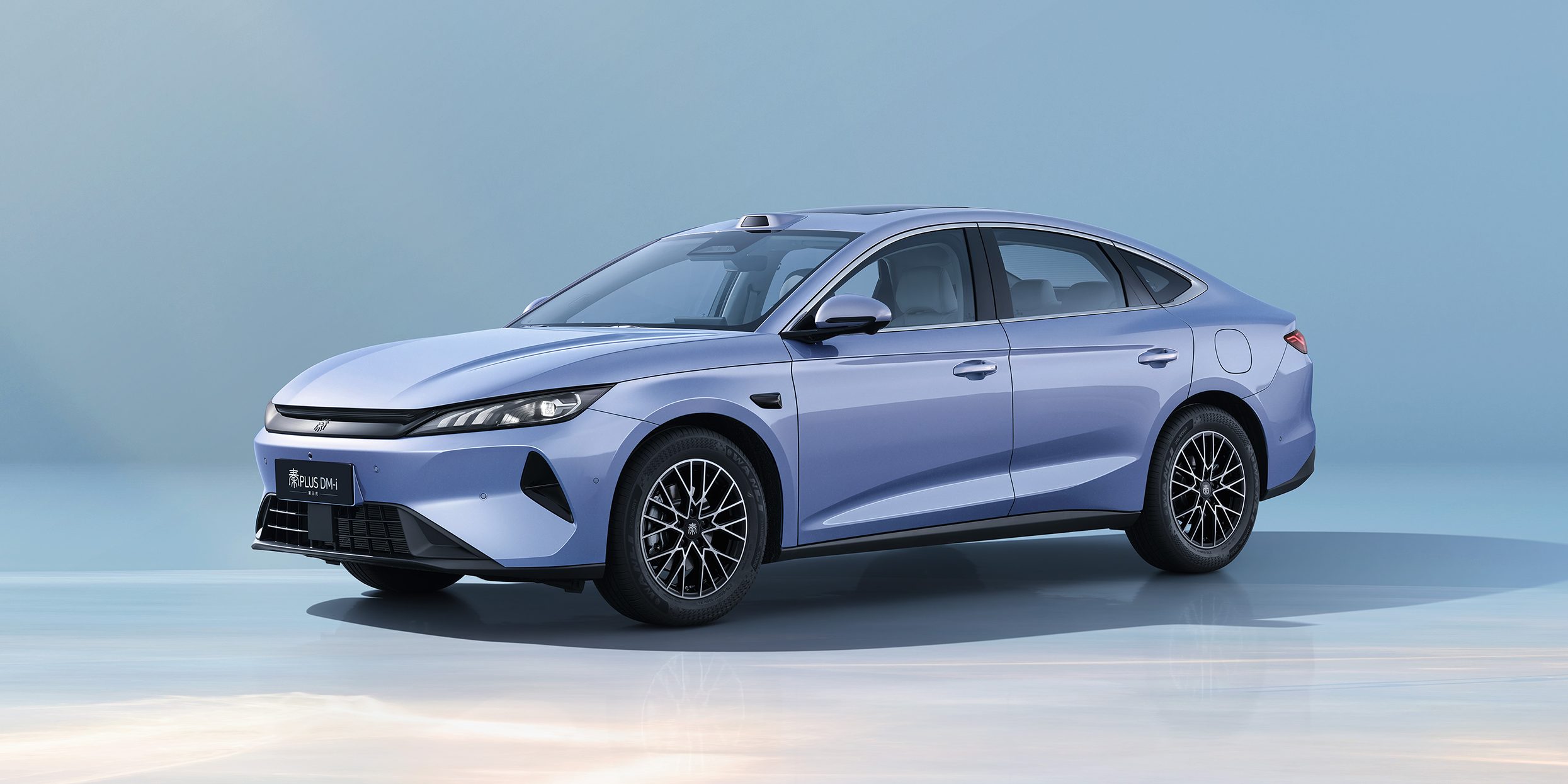
Globally, NEV sales—including BEVs and PHEVs—rose 30% YoY in H1 2025, with China contributing 62% of total volumes and posting 33% growth.
Market research firm Counterpoint Research reported that domestic automakers now account for nearly 90% of China’s new energy vehicle (NEV) market, up from 65% in the first half of 2020.
The shift underscores the growing challenges facing foreign brands in the world’s largest EV market.

According to the report, the trend has been driven primarily by Chinese manufacturers’ advantages in vertical integration, rapid product iteration, and aggressive pricing strategies.
Globally, NEV sales—including battery electric vehicles (BEVs) and plug-in hybrids (PHEVs)—rose 30% year on year in the first half of 2025, with China contributing 62% of total volumes and posting 33% growth.
In China, BEVs represented 61% of all NEV sales, climbing 44% year on year, while PHEVs accounted for 39%, up 20%.
Foreign automakers, meanwhile, continue to lose ground. U.S. carmakers including Tesla, General Motors, and Ford saw their combined sales in China fall 13% in the first half of 2025.
German brands fared worse, with Volkswagen, Mercedes-Benz, and BMW suffering a 40% year-on-year slump.
Japanese automakers such as Toyota, Mazda, and Nissan recorded a 16% increase, but their overall market share remained below 2%, limiting their ability to achieve scale in China.
Tesla, while still showing some resilience, has already lost its position as the top-selling BEV brand in China.

Domestic players such as BYD, Leapmotor, and Xiaomi are steadily eroding foreign rivals’ market space through stronger price-to-performance offerings and faster localized R&D cycles.
With regulators tightening oversight of price wars, analysts expect Chinese automakers to shift competition toward profitability and overseas expansion.
With their positions in the domestic market largely secured, Chinese carmakers are accelerating deployments in emerging markets such as Europe and Southeast Asia, seeking the next stage of growth.
Additionally, data from the China Association of Automobile Manufacturers (CAAM) shows that in the first half of this year, total Chinese auto exports reached 3.083 million units, up 10.4% year on year. Chery, BYD, and SAIC are the leading Chinese automakers driving this overseas expansion.
Discover more from ChinaEVHome
Subscribe to get the latest posts sent to your email.