Toyota China explained that this shift aims to improve customer services and efficiency while reducing environmental impact, and emphasized that it is currently only a trial.
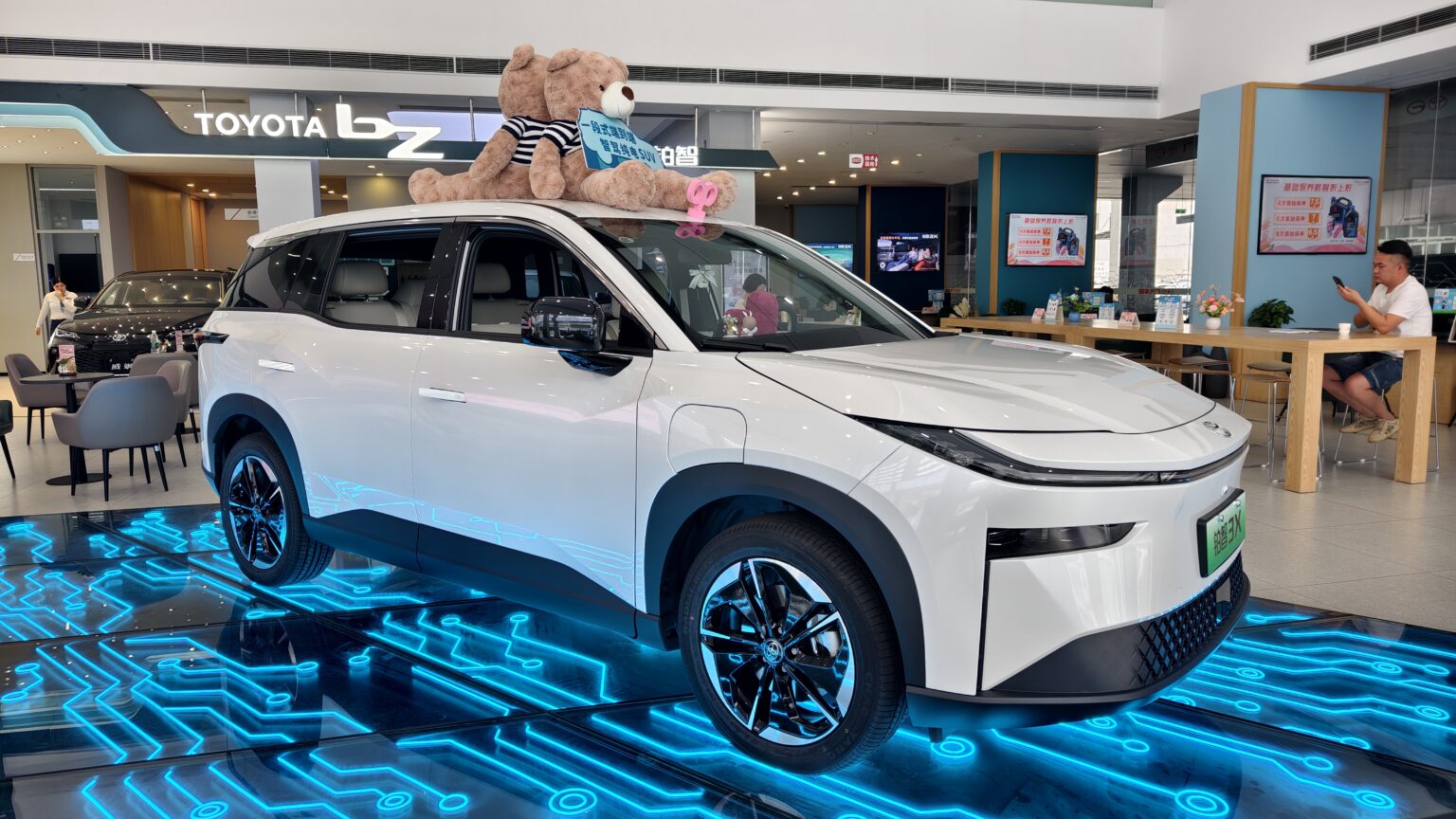
Toyota China is piloting a new sales channel model in which a single dealership in select “one city, one store” regions will sell the full range of both GAC Toyota and FAW Toyota models, according to reports from several Chinese media outlets citing people familiar with the matter.
The initiative, led by Toyota China, has been underway since July and August in around 10 cities. An industry insider close to the matter revealed that such outlets are internally referred to as “joint sales stores,” where representatives from both FAW Toyota and GAC Toyota conduct operations under one roof.
This adjustment comes against the backdrop of a broader contraction in joint-venture dealership networks. Data from the China Automobile Dealers Association show that by the end of 2024, the number of joint-venture brand 4S dealerships had dropped to 7,744, down 13.5% year-on-year.

In many lower-tier cities, dealership groups have adopted the “one city, one store” strategy to cut intra-brand competition and improve profitability. While this model can boost dealer margins in the short term, it also creates risks for after-sales service, as consumers may become dependent on a single outlet. If that outlet withdraws from the network, customers could be left without service support.
Despite the downturn facing joint-venture brands overall, Toyota China managed to achieve growth in the first half of this year. Including Lexus, Toyota China sold 837,700 vehicles in the first six months, up 6.8% year-on-year. GAC Toyota delivered 344,700 units, up 2.6%, while FAW Toyota sold 377,800 units, up 16%.
Channel consolidation is therefore seen as a move to reinforce stability in after-sales service networks, even as sales remain on an upward trajectory.

Rumors about closer business integration between GAC Toyota and FAW Toyota have circulated for some time. Earlier this year, reports suggested Toyota was reassessing its “twin-model” strategy and might consider retaining only one version of overlapping models in the future.
However, the possibility of a full-scale channel consolidation has been widely denied. The balancing of interests between multinational carmakers and their Chinese joint-venture partners is far more complex than it might appear from the outside.
On September 24, Toyota China responded publicly, stating that the “one city, one store” pilot is not only designed to improve customer service, but also motivated by efficiency and environmental considerations. The company stressed that the initiative remains an experiment at this stage.
Discover more from ChinaEVHome
Subscribe to get the latest posts sent to your email.