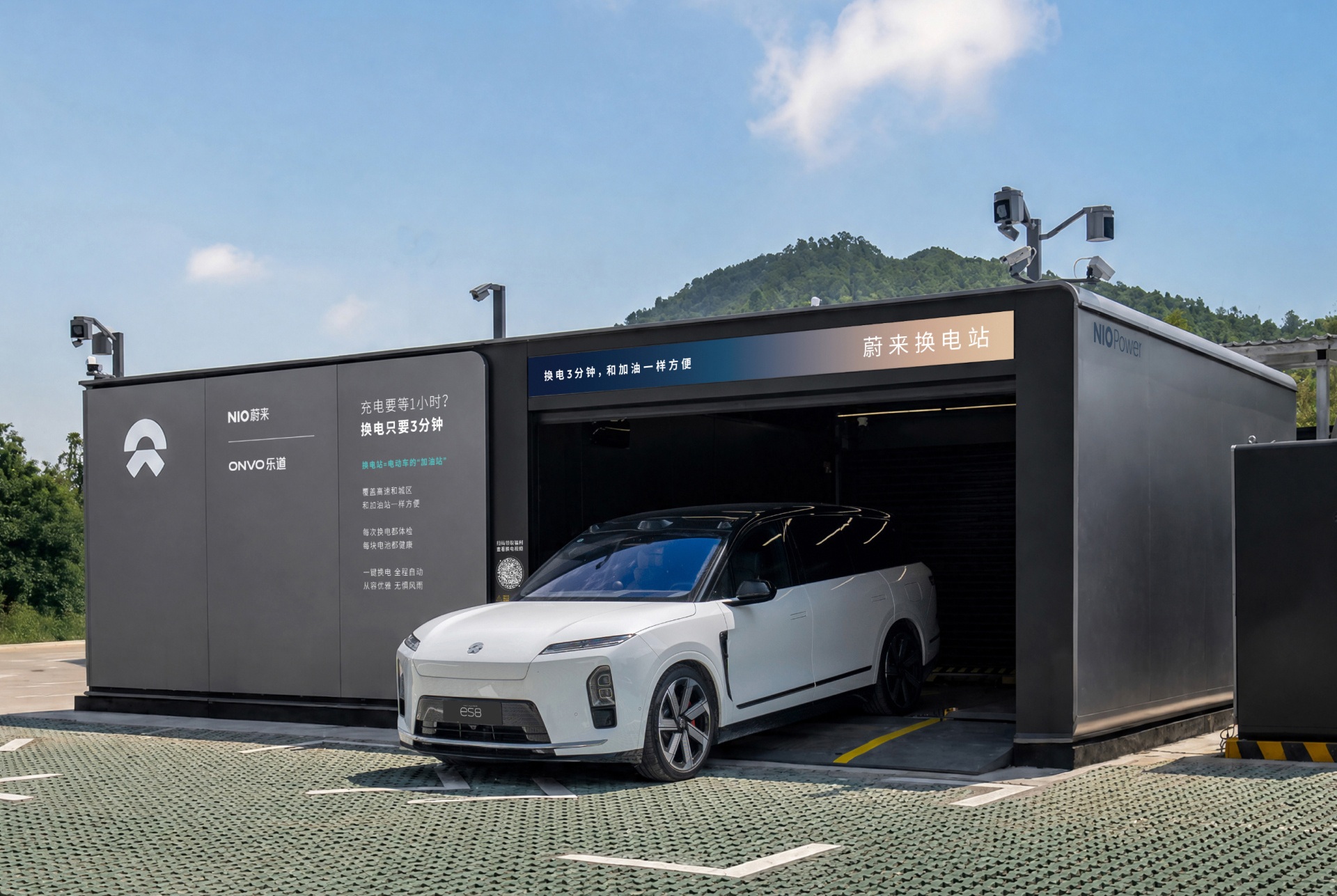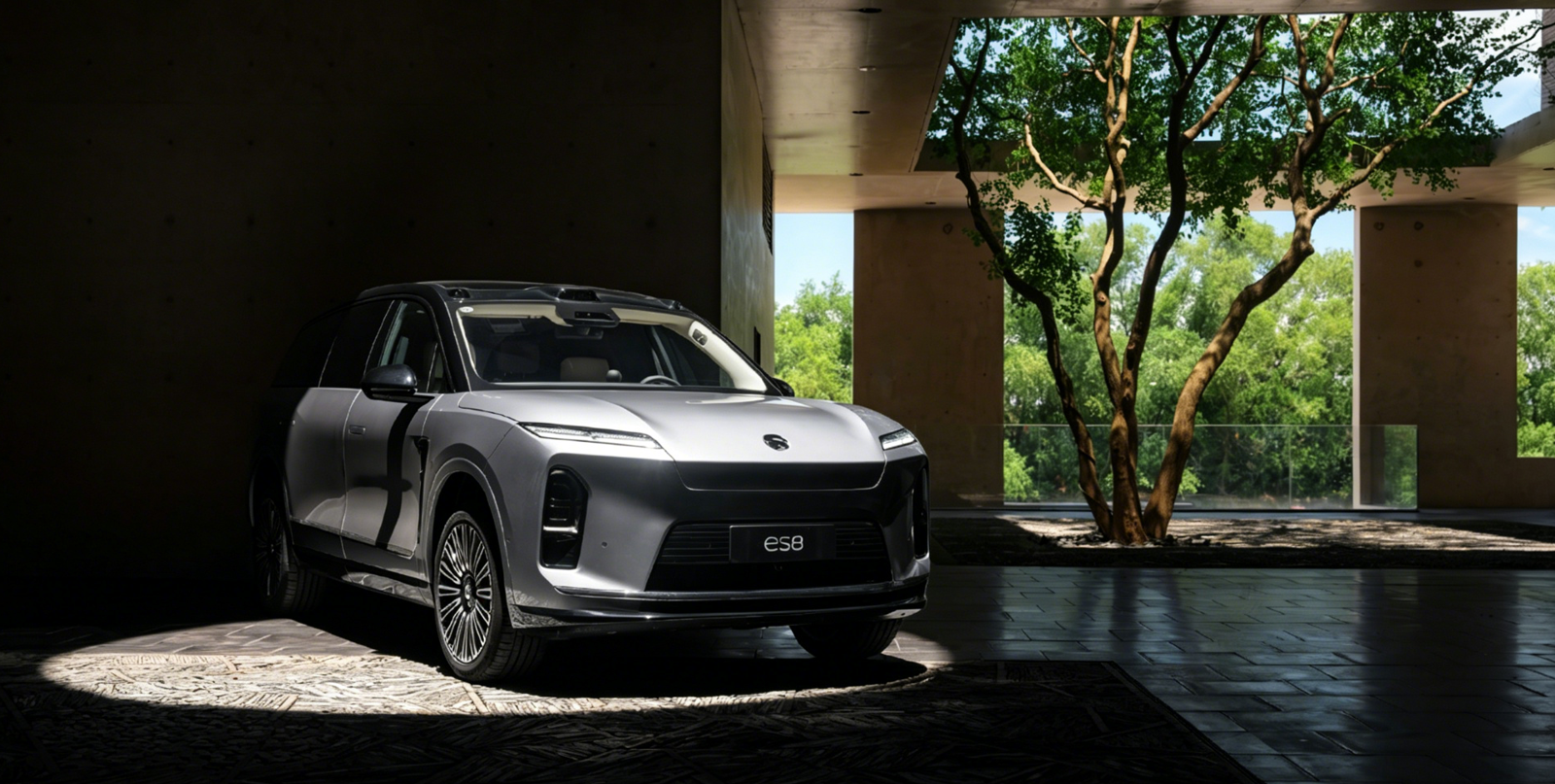
The SkyOS full-domain operating system is now installed across vehicles sold under the NIO, ONVO, and Firefly brands.
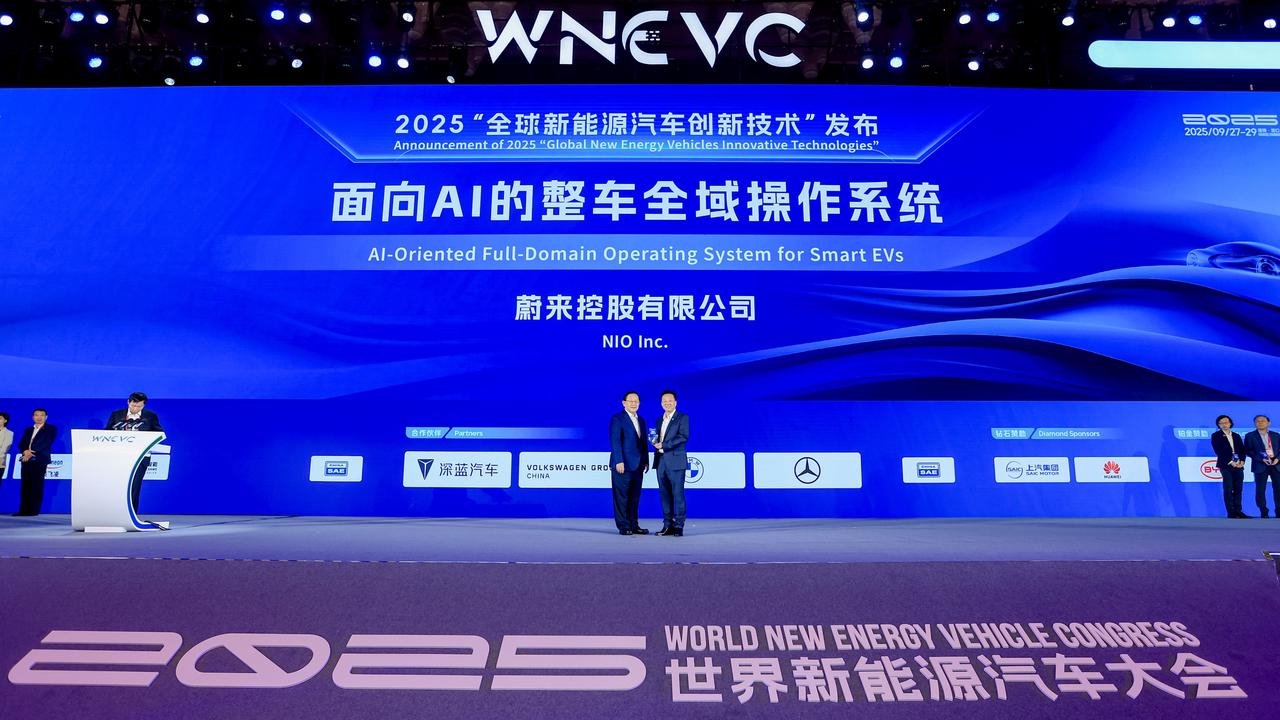
On September 28, at the WNEVC 2025, NIO Inc.’s full-domain operating system for smart EVs “SkyOS” was awarded one of the “Global New Energy Vehicle Innovation Technologies.” Wan Gang, Chairman of the China Association for Science and Technology, presented the award on site.

Other recipients of the same honor included BYD, BMW, and Huawei. This marks the second time NIO has been recognized under this award. In 2022, its battery safety solution was selected.
Development of SkyOS began in 2020 and spanned four years, with more than 23,000 person-months invested. In July last year, NIO unveiled the complete system architecture during its NIO IN 2024 Innovation Tech Day.
Positioned as the first AI-oriented full-domain operating system, SkyOS goes beyond the traditional definitions of domain controllers or infotainment systems.
Leveraging a virtualized architecture, it connects heterogeneous chips and hardware, allowing the cockpit, autonomous driving, vehicle control, communications, and power systems to operate cohesively in one unified framework—addressing compatibility issues, latency, and upgrade complexity caused by vendor-siloed development.

To achieve this, NIO designed four dedicated kernels—each responsible for the MCU, small control domains, intelligent driving domains, and intelligent cockpit domains—supported by a self-developed middleware layer and a high-performance communication protocol stack. At the foundation, over 1,600 atomic capabilities are abstracted.
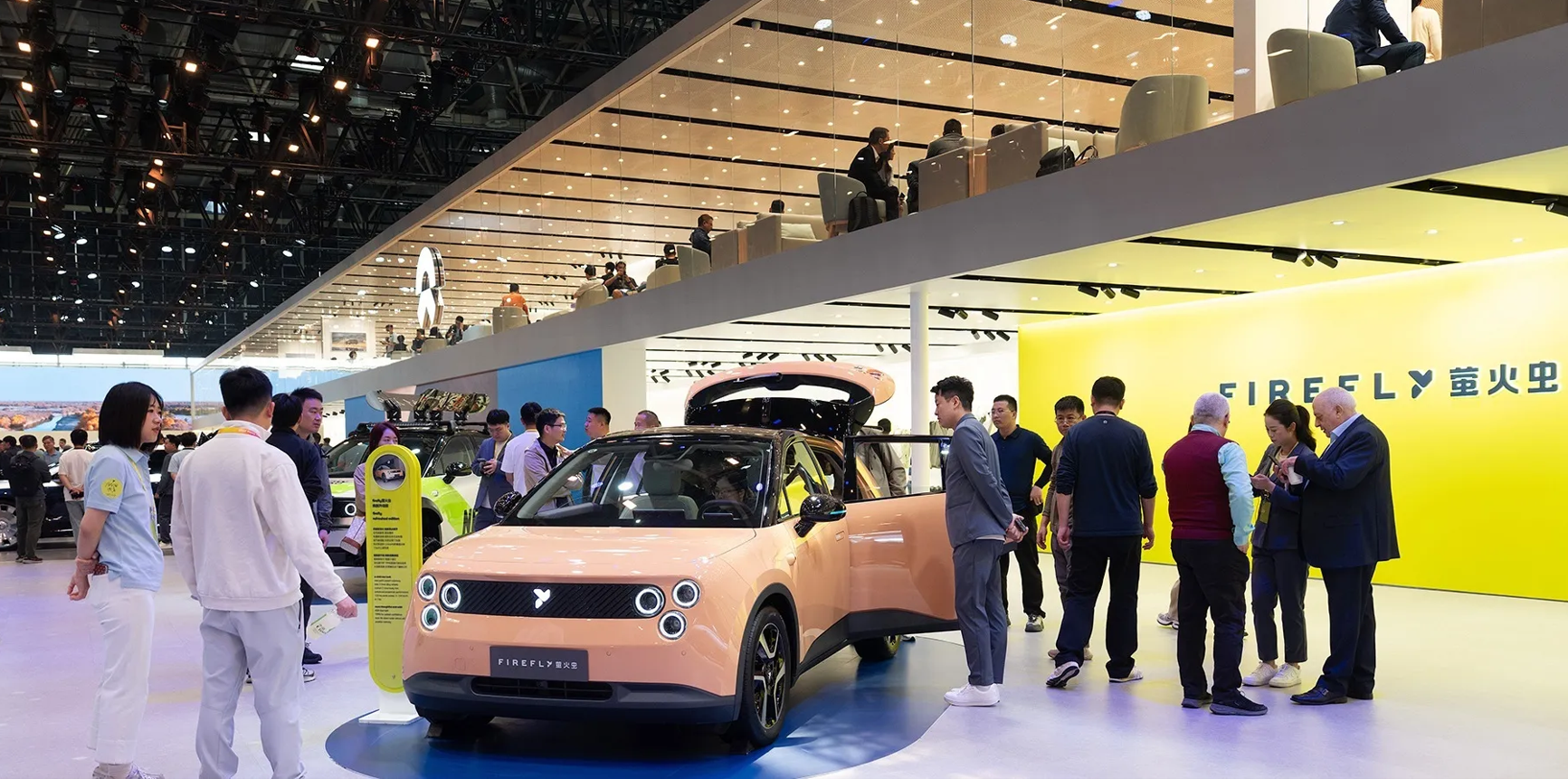
On the hardware side, SkyOS is paired with NIO’s in-house Shenji NX9031 chip to create a closed-loop software-hardware system. The platform is currently deployed across three brands—NIO, ONVO, and firefly—covering models ranging from high-end sedans to compact entry-level vehicles.

In real-world applications, SkyOS already enables cross-domain fusion features such as lidar-linked lighting systems, cloud-based data for chassis tuning, and voice commands directly controlling vehicle body functions.
SkyOS is considered by NIO one of its “new three core components,” alongside intelligent driving chips and smart chassis systems. For automakers, developing an in-house operating system is not about building an infotainment unit, but about retaining ecosystem control and long-term iteration capabilities.
NIO emphasizes that a strong data closed loop and an end-to-end, full-lifecycle development toolchain will allow the system to support at least 10 years of intelligent vehicle upgrades and maintenance.
NIO founder William Li has repeatedly stated publicly that since its inception in 2014, NIO’s cumulative R&D investment has exceeded RMB 60 billion ($8.42 billion).
Discover more from ChinaEVHome
Subscribe to get the latest posts sent to your email.