Customers who lock in their i6 orders by October 31, 2025 will receive a purchase tax subsidy if the vehicle is invoiced and delivered in 2026 due to Li Auto’s production scheduling.
Li Auto on September 30 announced a “cross-year purchase tax subsidy plan” for its i6 SUV, following higher-than-expected order volumes after launch.

The company said many customers are concerned that if their vehicles are scheduled for delivery in 2026, potential policy changes could increase purchase tax costs. In response, Li Auto has issued a formal commitment.
Under the plan, any customer who locks in an order by October 31, 2025 will be eligible. If, due to Li Auto’s production or delivery scheduling, the vehicle must be invoiced and registered in 2026, the company will cover the difference in purchase tax.
The subsidy will be issued as a cash deduction from the final payment, with the amount calculated based on the configuration of the vehicle. The goal is to ensure that buyers do not incur any additional tax expense.
This policy comes on top of the existing first-sale benefits valued at RMB 35,000 ($4,910). Previously, early buyers were offered RMB 10,000 ($1,402) in cash discounts, along with complimentary options such as dual-chamber magic carpet air suspension, a smart hot-and-cold refrigerator, and soft-close doors.

The Li Auto i6 began deliveries on September 27 at the company’s Changzhou plant. With a starting price of RMB 249,800 ($35,040), it is the brand’s first model targeting the mainstream pure-electric SUV segment.
Sales data from the first 48 hours show that individual stores typically recorded 80–90 new locked-in orders, with lock-in rates of 75% to 80% and foot traffic rising by about 200%.
Rapid order growth is also putting pressure on production. Recent production plans at Li Auto’s Changzhou facility show capacity reserved for the i6 at roughly 45,000 to 50,000 units this year. Once capacity ramps up by December, monthly output is expected to reach 25,000 units.

Li Auto’s decision to introduce the subsidy at this moment is closely tied to the broader policy window across the new energy vehicle sector. Competition in the pure EV market is intense, and consumers’ ordering pace is highly sensitive to cost expectations. Extended production lead times or uncertainty around taxes can quickly trigger cancellations.
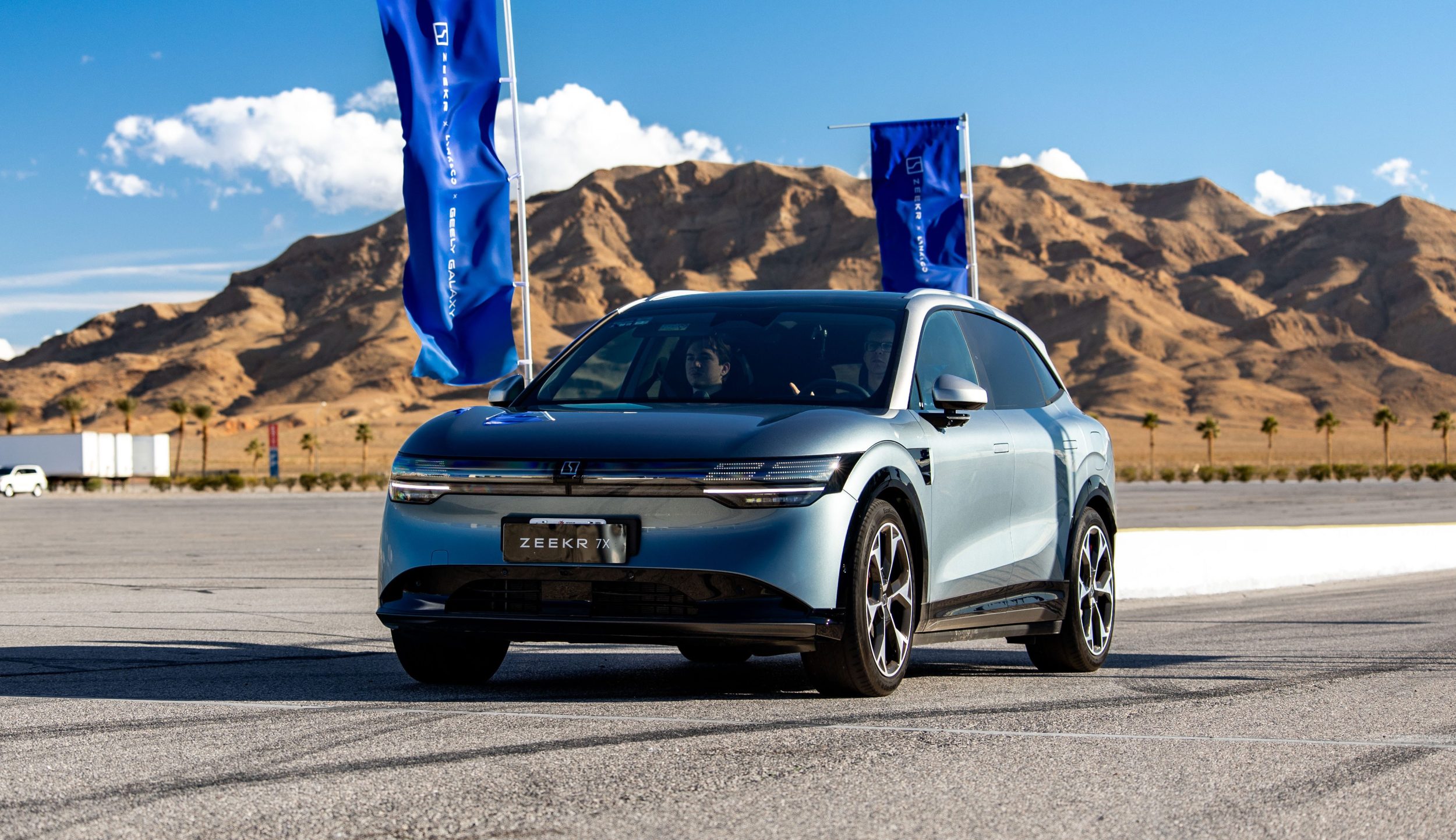
Notably, several automakers have already introduced similar schemes. Zeekr has done so for the 9X, NIO Inc. for the all-new ES8, and Chery’s Exeed brand for the 2026 Exeed Lanyue.
With subsidy phase-outs and increasingly unpredictable production schedules, such measures are likely to become a common strategy for EV makers to secure and retain locked-in orders.
Discover more from ChinaEVHome
Subscribe to get the latest posts sent to your email.