By the end of September, China’s public chargers accounted for 4.48 million, while private installations hit 13.59 million.
On October 20, China’s National Energy Administration released the latest figures on electric vehicle charging infrastructure for September 2025.
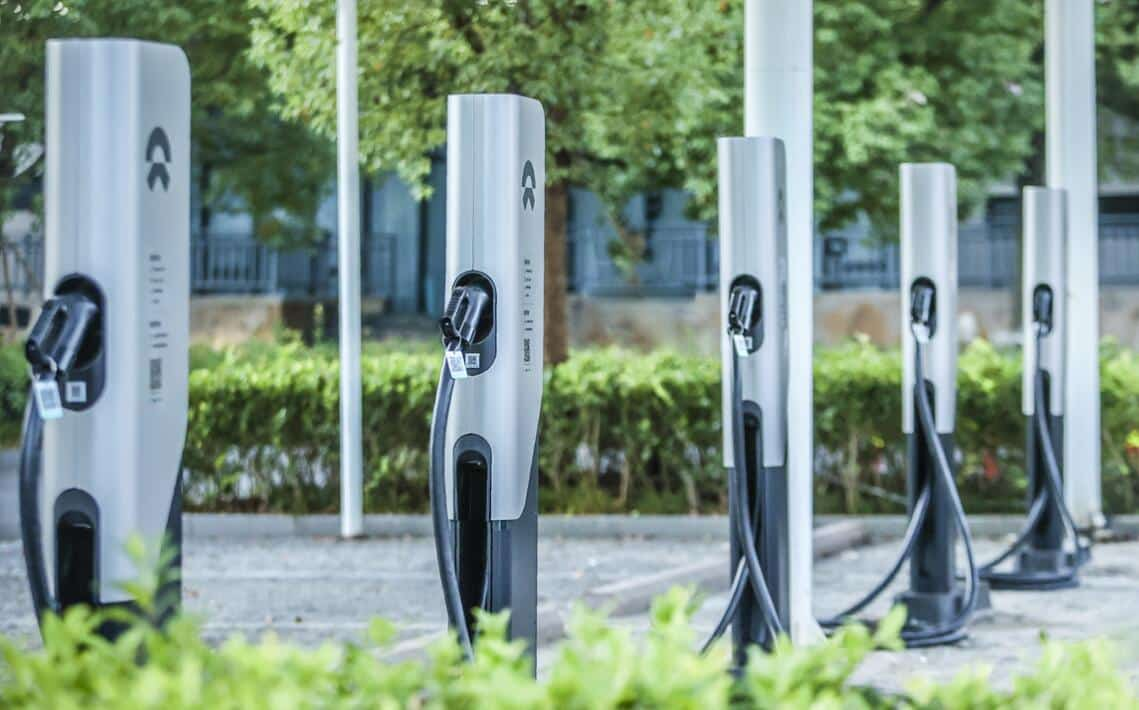
Data from the National Charging Infrastructure Monitoring Service Platform show that as of the end of September, China had installed a total of 18.063 million charging connectors, up 54.5% year-on-year.

Public charging units accounted for 4.476 million, or roughly one quarter of the total, representing a 40% increase. Private charging units reached 13.587 million, up 60% from a year earlier.
In terms of power configuration, the total rated capacity of public charging stations reached 199 gigawatts, with an average output of around 44.36 kW per charger. Private charging facilities recorded a combined installed electrical capacity of 120 gigavolt-amperes.

The rapid expansion comes as policymakers initiate a new phase of large-scale deployment. In ChinaEV Home‘s recent report, the NDRC and other ministries issued the “Three-Year Doubling Action Plan for EV Charging Service Capacity (2025–2027).”
The plan targets 28 million charging units nationwide by the end of 2027, with over 300 GW of public charging capacity to meet demand from more than 80 million electric vehicles—effectively doubling the current service capability.
The directive also calls for a denser urban fast-charging network with full coverage across parking scenarios. By 2027, cities are expected to add 1.6 million new DC charging connectors, including 100,000 high-power units.

The surge in infrastructure mirrors the continued expansion of the new energy vehicle market. According to the China Association of Automobile Manufacturers, domestic NEV sales reached 1.382 million units in September, up 18% month-on-month and 17.5% year-on-year.
Total NEV sales for the first nine months of 2025 climbed to 9.47 million units, an increase of 28.1% from the same period a year earlier.
As more vehicles enter the market, shortages of charging access—often referred to as “cars waiting for chargers”—are becoming increasingly visible, accelerating infrastructure rollout.
The data also underline the dominance of private chargers, while public fast-charging networks are expected to become the main focus of investment.
Based on current policy targets, the charging sector is poised for a sustained phase of high capital expenditure over the next three years.
Discover more from ChinaEVHome
Subscribe to get the latest posts sent to your email.