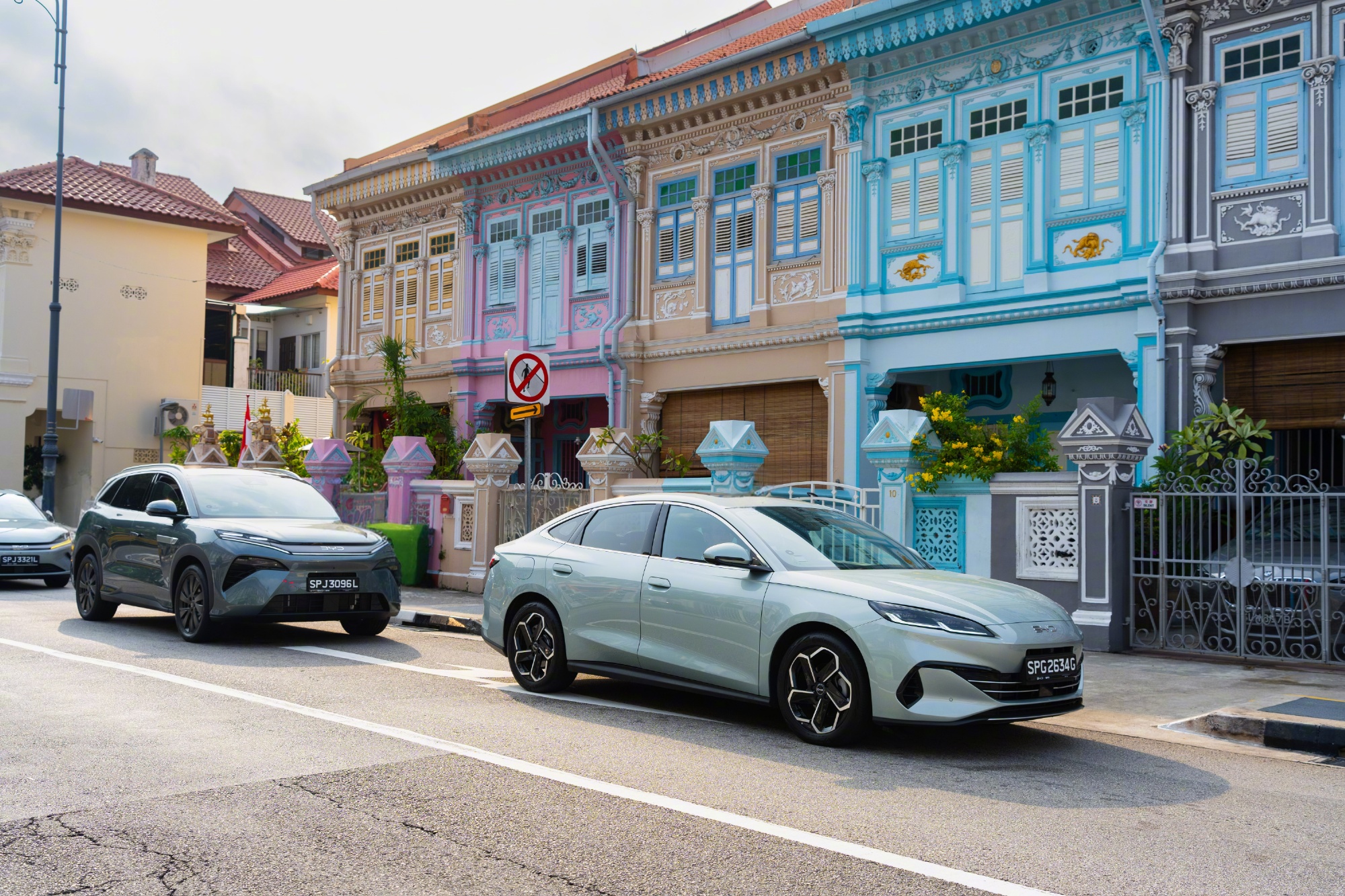
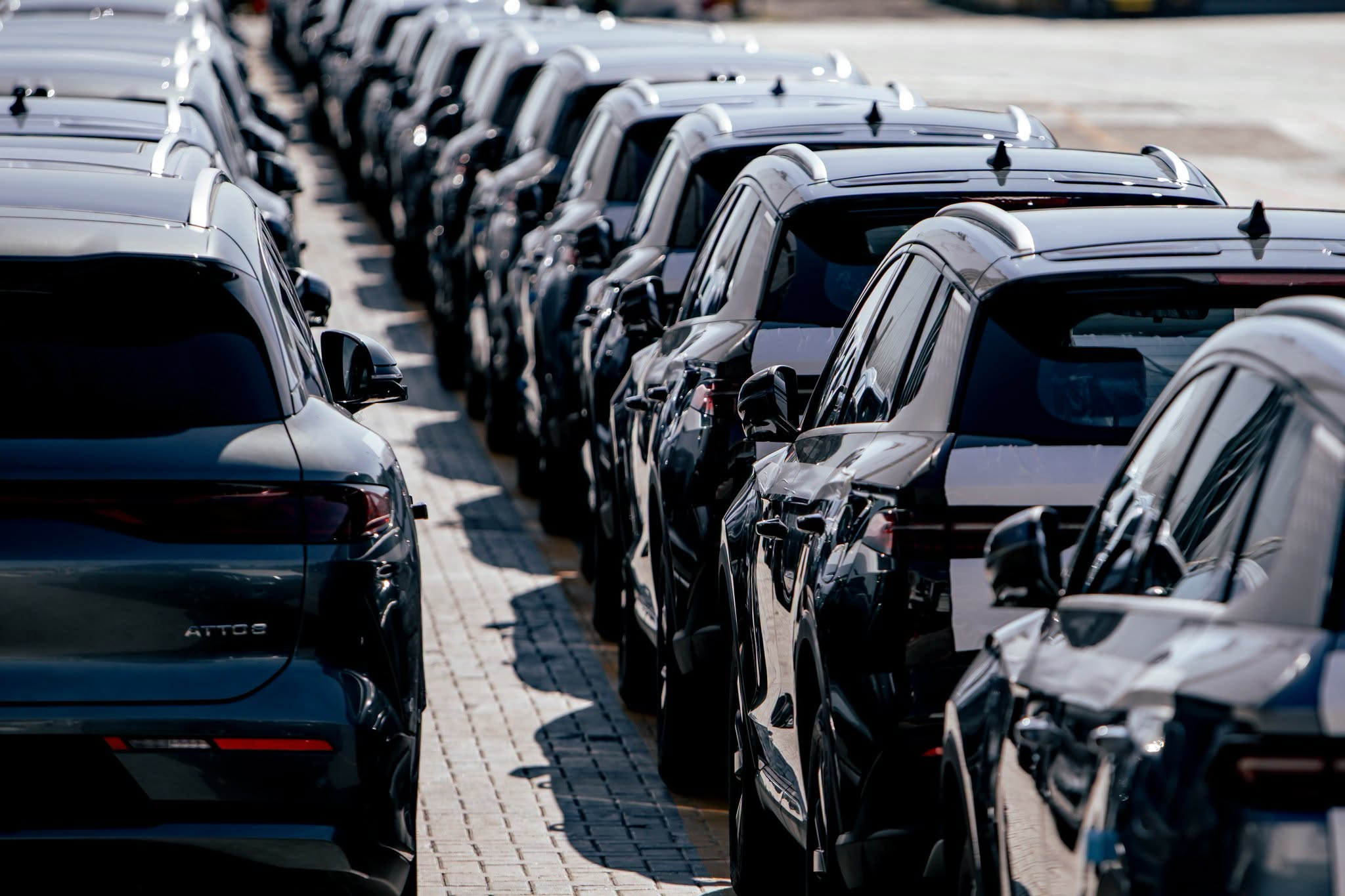
The carbon-emission pooling agreement between Nissan and BYD will remain effective through the end of 2025—the critical assessment period for the EU’s next-phase carbon standards.
On October 20, Automotive News Europe reported that Nissan Motor will join forces with BYD in Europe to share a carbon-emission pool, enabling it to comply with the EU’s increasingly stringent 2025–2027 carbon targets and avoid substantial fines. The information was disclosed in an official EU document released on October 17.
Under current EU regulations, automakers that exceed their carbon limits are subject to heavy penalties proportional to their excess emissions.
To avoid such costs, several manufacturers have formed “emission pooling” alliances with EV makers—combining their sales figures with low-emission or zero-emission brands to lower their fleet-average carbon output.

In essence, these alliances allow traditional automakers to merge sales data with partners that have a higher share of clean vehicles, helping them collectively meet EU emission thresholds.
Previously, Nissan and Renault shared carbon credits within their existing alliance, while automakers including Toyota, Ford, and Stellantis partnered with Tesla in similar pooling arrangements across Europe.
Nissan was once an early pioneer in the EV market, led by the Leaf, but its recent EV sales in Europe have been modest. According to DataForce, Nissan sold 13,103 EVs in Europe between January and August 2025, accounting for only 6.5% of its total sales.
Among them, the Ariya contributed 11,747 units, while the new Leaf and electric Micra have only recently entered the market — insufficient for Nissan to meet its emission targets independently.

In contrast, BYD’s European sales are expanding rapidly. In September, the company sold approximately 11,800 vehicles in the EU and 11,200 in the UK, totaling around 23,000 units—making it one of the few Chinese automakers with a stable foothold in Europe. So far this year, BYD’s cumulative sales in the region have surpassed 95,000 units.
Sources confirm that the Nissan–BYD emission-sharing agreement will remain valid until the end of 2025, coinciding with the EU’s key evaluation window for its next phase of emission standards.
Discover more from ChinaEVHome
Subscribe to get the latest posts sent to your email.