The share of new energy cars shrank to 42.4% in Sept 2025 (down 2.9 p.p. y/y), as new energy SUV share expanded to 47.7% (up 1.1 p.p.).
On October 21, the China Passenger Car Association (CPCA) released the Automotive Intelligent Connected Index Report for August 2025.
The data shows that in China’s new energy vehicle (NEV) market, sales reached 1.604 million units in September 2025, representing a year-on-year increase of 24.5%. The NEV penetration rate reached 49.7%, maintaining a high level. Among these, sales of new energy passenger vehicles totaled 1.516 million units, a 22.8% increase year-on-year.
Looking at the segment breakdown, in September 2025, new energy cars accounted for 42.4% of the market, down 2.9 percentage points year-on-year. The share of new energy SUVs reached 47.7%, an increase of 1.1 percentage points compared to the same period last year.

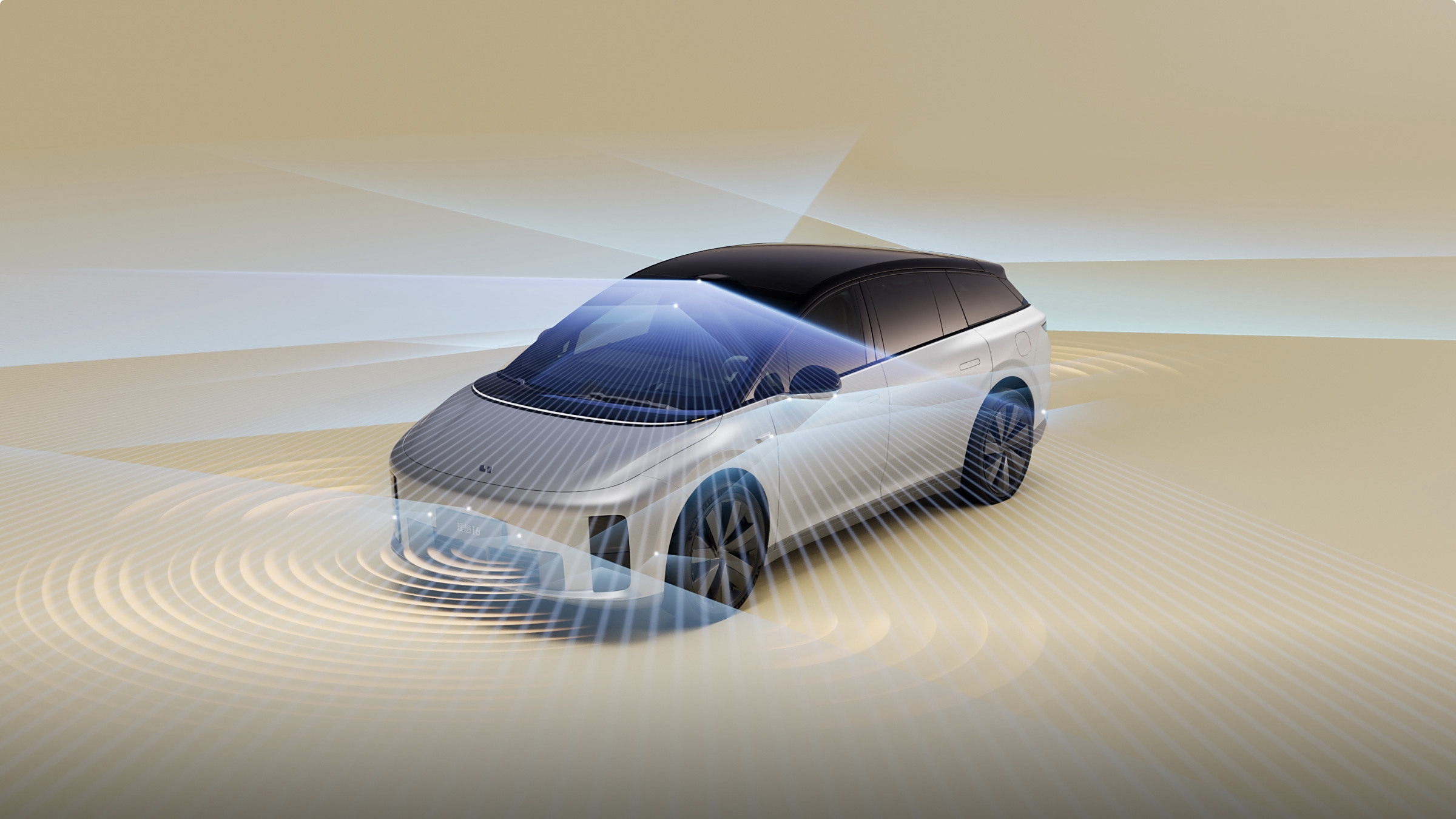
The report also details the installation rates of various ADAS functions.
The data indicates that from January to August 2025, the installation rate of L2 and higher ADAS in new energy passenger vehicles reached 86.8%. The installation rate of intelligent driving systems in the sub-160,000 RMB market segment showed further growth.

Furthermore, the installation rate of AEB in the new energy passenger vehicle market from Jan-Aug reached 71.4%. Multi-dimensional technology integration solutions are continuously enhancing AEB performance boundaries, accelerating its widespread adoption.
The installation rate for ACC reached 70.5%. With the trend of democratizing intelligent driving technology, the penetration of ACC into lower-price segments is becoming increasingly evident. The installation rate for ALC was 31.2%. As sensor (e.g., millimeter-wave radar, cameras) and chip technologies mature, the hardware costs required for ALC functionality are expected to gradually decrease.
The installation rate for APA stood at 47.5%. The report shows that with the increasing centralization of vehicle electronic architectures, APA functionality will deepen its integration with driving and cockpit features, enabling resource sharing via domain controllers or central computing platforms.
Discover more from ChinaEVHome
Subscribe to get the latest posts sent to your email.