At the time of the accident, all occupants escaped safely, but the cause of the fire has not yet been determined.
On the evening of October 23, a Li Auto MEGA suddenly caught fire and exploded while driving in Shanghai’s Xuhui District, with flames engulfing the vehicle in less than ten seconds and leaving only the frame.
Footage from a rear dashcam showed the MEGA driving normally before the explosion, with no sign of collision. Judging by the flame’s origin and burn intensity, the fire is suspected to have started from the battery pack.
Li Auto issued its first response the following day, confirming that all occupants exited safely as the doors opened normally.
The company said it had dispatched staff to assist at the scene and is cooperating with local fire authorities, who confirmed their response but have not released further details.
Online information circulating after the accident suggested that around 3 p.m. on the same day, the vehicle had displayed a “battery fault” warning. Li Auto reportedly contacted the owner to arrange a tow, but the vehicle was not sent for inspection in time.

Some unverified claims also speculated that the battery pack might have been previously impacted or modified, though these remain unconfirmed.
Later, the owner’s lawyer stated the rear doors failed to open immediately amid the incident and denied online claims of prior damage or battery modification, calling it a sudden self-ignition incident pending official review.

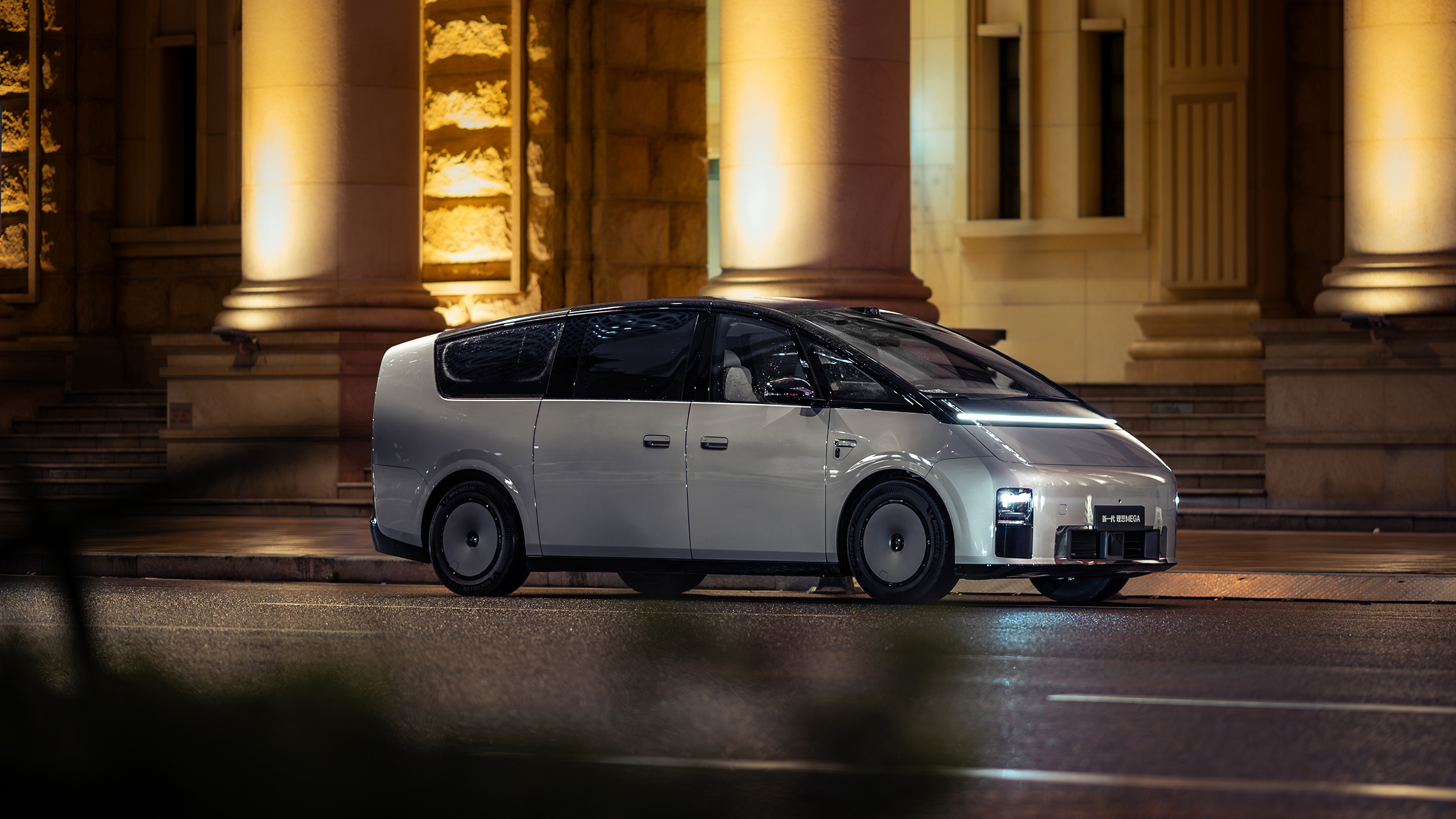
The Li Auto MEGA involved in the incident is an MPV model launched in March last year—the automaker’s first all-electric vehicle—priced between RMB 529,800 and RMB 559,800 ($73,000–$77,000).
This is not the first time the Li Auto MEGA has been linked to fire incidents. Several similar cases have occurred in recent months.
In June, a MEGA caught fire in an underground garage, with lighter debris later found near the driver’s seat rail but no clear cause identified. Another incident in August on a Hangzhou overpass was determined to be a post-collision fire.

The latest accident has once again drawn public and industry attention to EV safety, particularly battery management and underbody protection.
Just days earlier, China’s State Administration for Market Regulation announced an updated recall supervision framework, introducing a mandatory reporting mechanism for NEV fire incidents to strengthen safety oversight.
Following the incident, Li Auto’s shares fell sharply in Hong Kong trading, plunging nearly 4% intraday and closing down 2.3% at HK$84.9 ($11.0), marking the lowest level since April 10.
Discover more from ChinaEVHome
Subscribe to get the latest posts sent to your email.