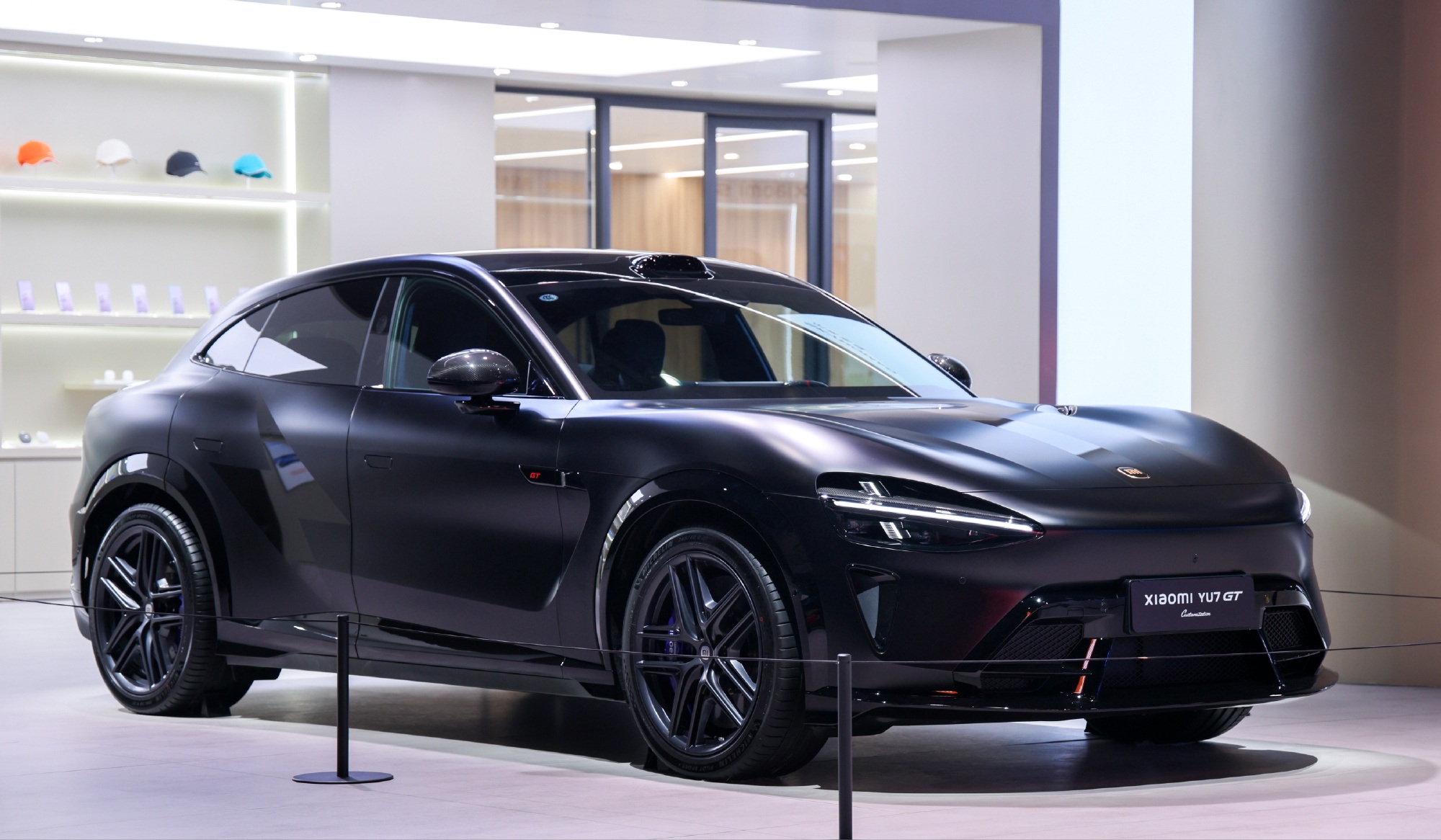
The program applies to Xiaomi SU7, SU7 Ultra, and YU7 models.
On October 24, Xiaomi Auto announced a “Year-End Purchase Tax Subsidy Program” to offset the potential increase in vehicle costs following China’s new purchase tax policy for new energy vehicles (NEVs) starting in 2026.

According to the plan, users who complete their order lock-in before November 30, 2025, but receive delivery in 2026 due to Xiaomi’s reasons—such as production or logistics delays—will receive up to RMB 15,000 ($2,100) in tax difference subsidies.
The policy applies to the Xiaomi SU7, SU7 Ultra, and YU7 models. The subsidy will be deducted directly from the final payment, compensating the difference between the 2025 and 2026 purchase tax amounts.

Xiaomi stated that the measure aims to protect consumers from additional costs caused by policy shifts, covering only those deliveries delayed across the year-end for reasons attributable to the company.
The initiative comes as China phases out full purchase tax exemptions for NEVs. According to a Ministry of Finance notice issued in 2023, NEVs purchased in 2024 and 2025 remain fully exempt from the vehicle purchase tax (up to RMB 30,000/$4,210), but from 2026 to 2027 the exemption will be halved (up to $2,100).
Under the upcoming rules, models priced within RMB 300,000 ($42,100) will be subject to roughly a 5% tax, while those above $42,100 will be taxed at “10% of the taxable amount minus 2,100.” As a result, some consumers could see vehicle costs rise by up to $2,100.

For instance, the Xiaomi SU7 Standard RWD version is expected to incur about RMB 9,553 ($1,388) more in purchase tax if delivered in 2026. The SU7 Max version could increase by roughly RMB 12,400 ($1,740), while the new YU7 may rise by about RMB 11,000 ($1,544). For buyers, both purchase timing and delivery schedule directly affect final costs.
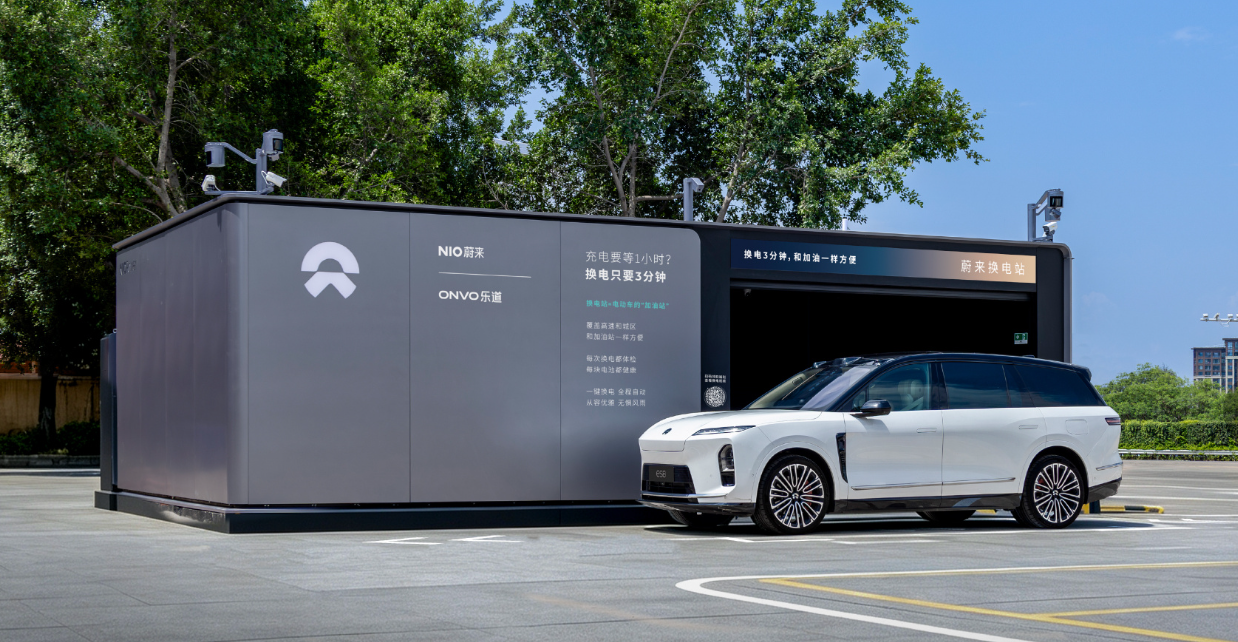
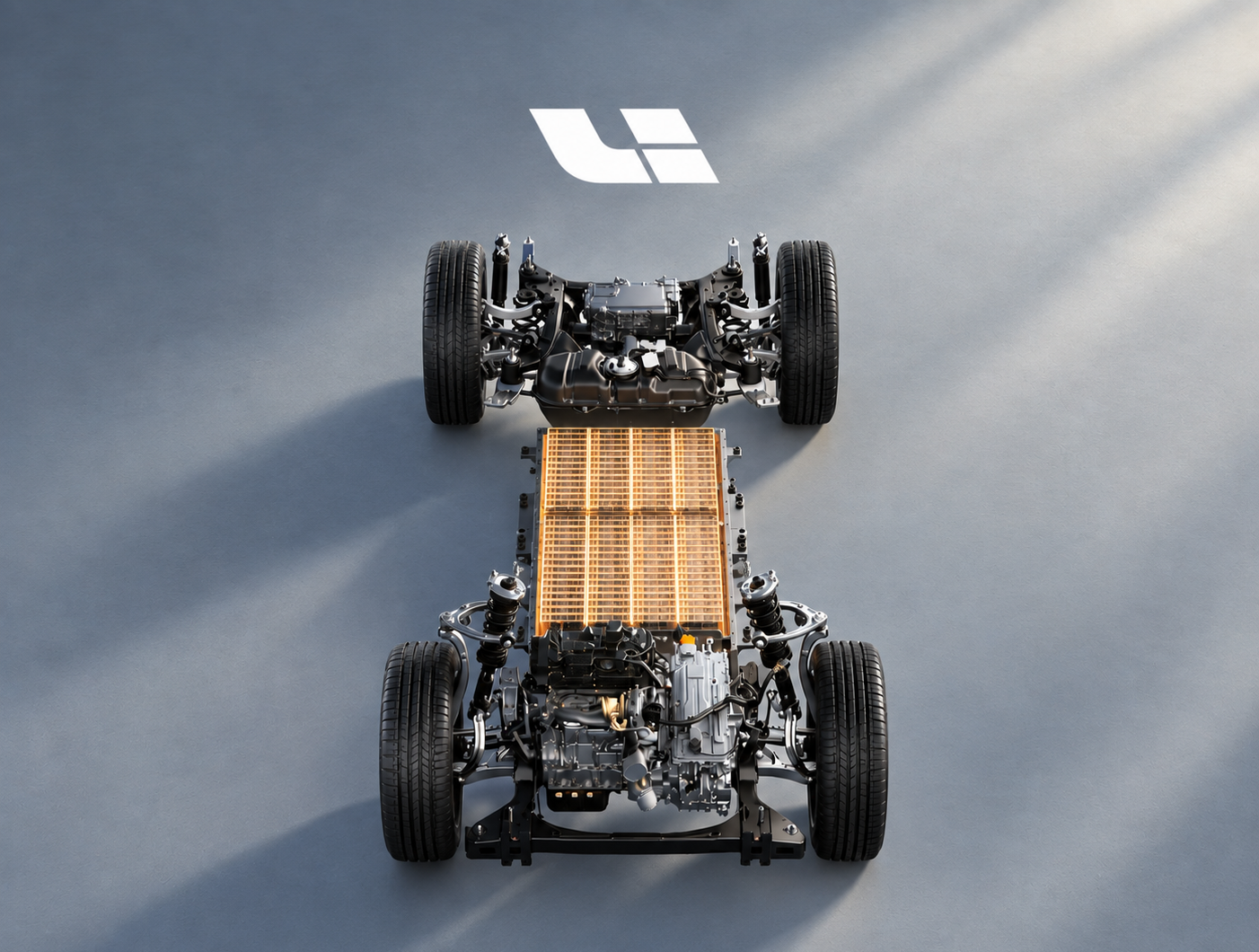
Several other automakers—including Huawei-backed AITO, NIO, IM Motors, Zeekr, and Li Auto—have also introduced similar year-end subsidy programs to stabilize orders and mitigate consumer hesitation.
Given that EV deliveries typically take one to three months—and that some popular models are already backlogged until after the 2025 Spring Festival—such “company-backed” policies are emerging as key tools to sustain order momentum.
Discover more from ChinaEVHome
Subscribe to get the latest posts sent to your email.