XPeng is in talks with the Malaysian government and various partners to achieve local EV production.
According to Malaysian financial outlet The Edge, XPeng Motors Vice Chairman Dr. Brian Gu said during the ASEAN Business and Investment Summit on October 26 that the company is considering making Malaysia its AI and technology hub in Southeast Asia.
Gu revealed that XPeng is in talks with the Malaysian government and various partners to achieve local EV production, leveraging the country’s advanced semiconductor industry and engineering talent to accelerate the deployment of AI technologies in intelligent driving and smart cabin systems.

Gu highlighted Malaysia’s potential in integrated circuit design, chip manufacturing, and its surrounding ecosystem, which could help XPeng build a regional foundation for R&D and supply chain capabilities in Southeast Asia.
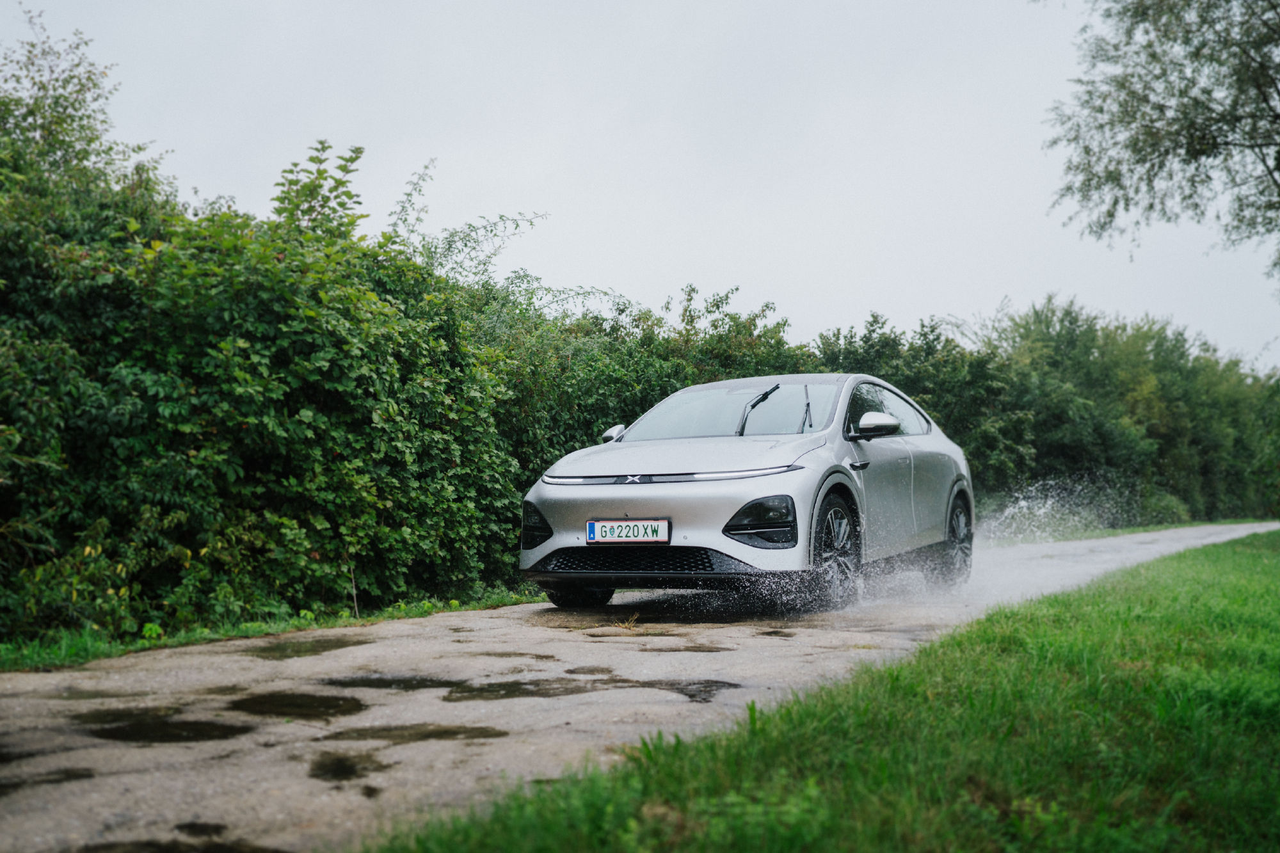
XPeng entered the Malaysian market in August last year through local partner Bermaz Auto, launching its first model, the G6, followed by the pure electric MPV X9 in March this year. On October 17, the new G6 also went on sale in Malaysia.

Currently, all XPeng vehicles sold in Malaysia are imported from China. Bermaz Auto CEO Datuk Francis Lee said the company has completed a feasibility study for local assembly and plans to begin completely knocked down (CKD) production of XPeng models in the second half of 2026.
Bermaz is also evaluating whether to increase import volume by year-end to mitigate an anticipated 20%–30% rise in EV import prices.

Malaysia’s current EV tax exemption policy for imported vehicles expires at the end of 2025, while locally assembled EVs will continue to enjoy tax incentives until the end of 2027.
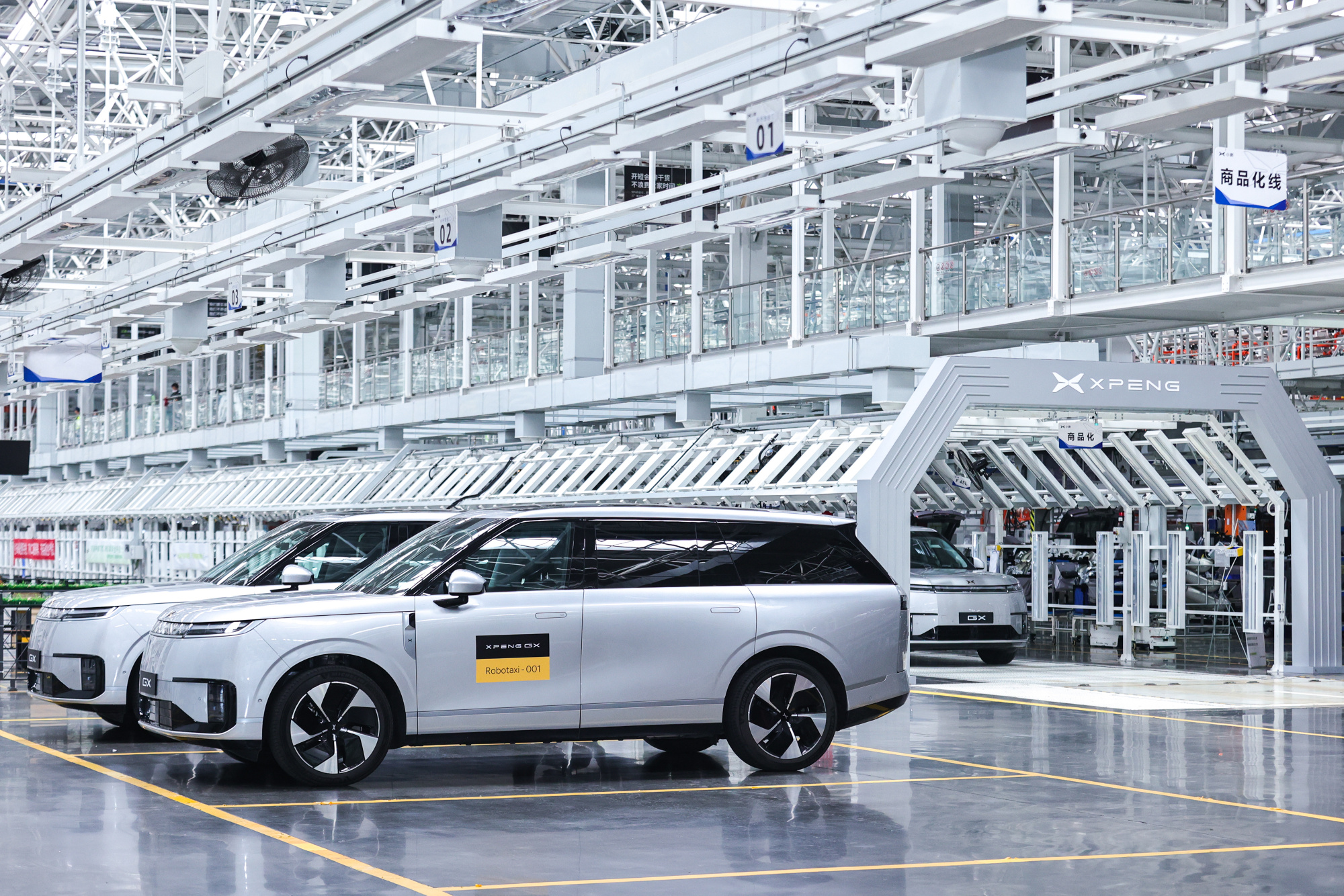
Beyond Malaysia, XPeng is accelerating its regional production strategy. Since July, the company has begun producing its X9 model in Indonesia and plans to assemble the G6 there as well.
Gu emphasized that while Europe remains an important market, high tariffs of up to 45.3% imposed by the European Union are prompting XPeng to shift focus toward ASEAN, where it sees stronger growth potential.
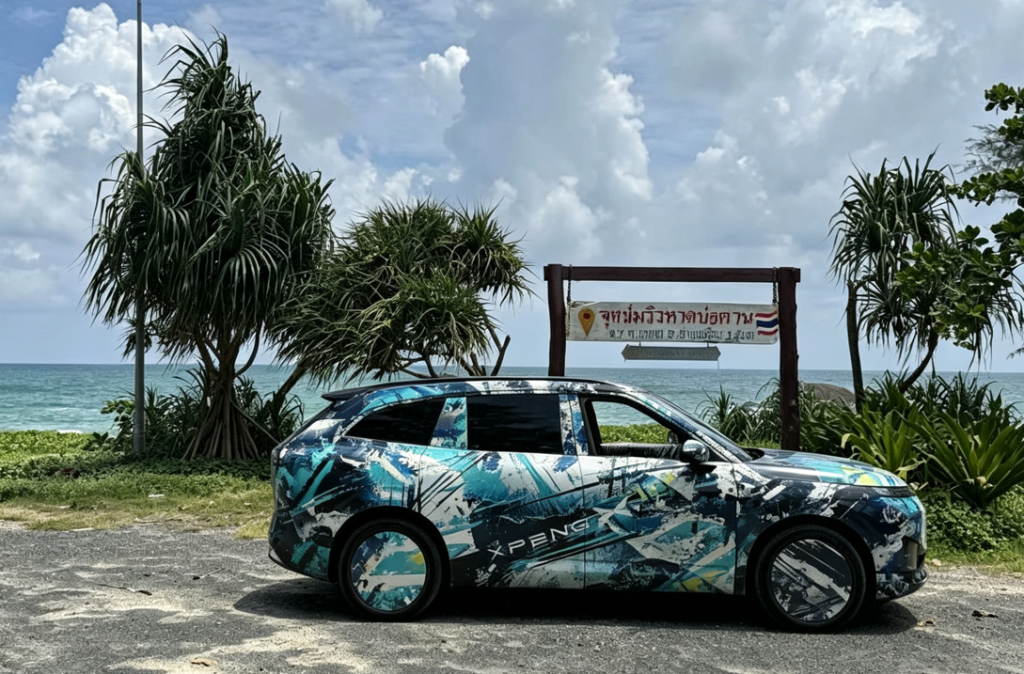
The company is now building a sales and service network across six key markets including Malaysia, Thailand, and Indonesia.
Discover more from ChinaEVHome
Subscribe to get the latest posts sent to your email.