Li Auto experienced a net loss in Q3 2025, primarily due to recall costs, while facing intense industry competition and future strategy challenges.
For the first time in eleven quarters, Li Auto reported a net loss — three years after entering its first long-awaited profitability cycle in Q4 2022.
In Q3 2025, Li Auto recorded a net loss of RMB 624.4 million ($87.4 million), compared with a net profit of RMB 2.8 billion ($392 million) in Q3 2024 and RMB 1.1 billion ($154 million) in Q2 2025 — a sharp reversal.
Yet for Li Auto and CEO Li Xiang, this loss is not the most fundamental challenge the company has faced this year.
First, the loss primarily stems from provisions related to the recall of the 2024 MEGA, booked entirely into the quarter. Excluding the recall cost, Li Auto would have remained profitable on a normalized business basis.
Second, as the first quarter of Li Auto’s second decade, the company faces simultaneous pressure from rapid industry shifts and strategic decisions on its future direction.
Li Auto delivered 93,211 vehicles in Q3 2025, down 16% quarter-on-quarter and down 39% year-on-year. Revenue in the quarter fell to RMB 27.4 billion ($3.84 billion), down 9.5% sequentially and 51.6% year-over-year.

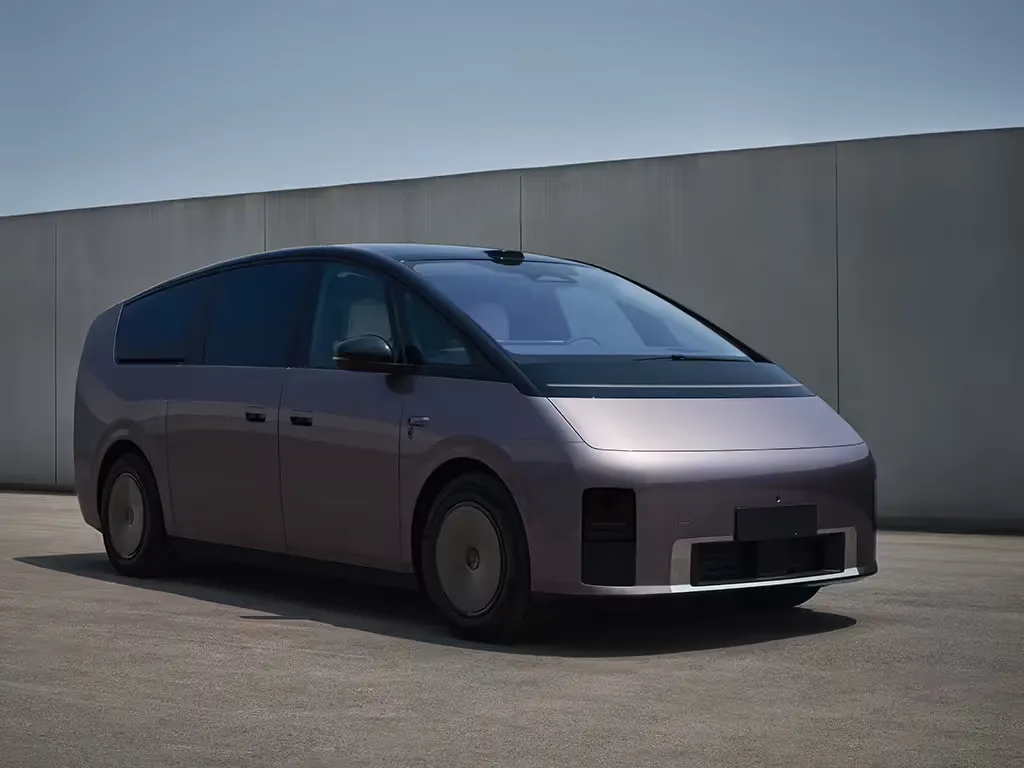
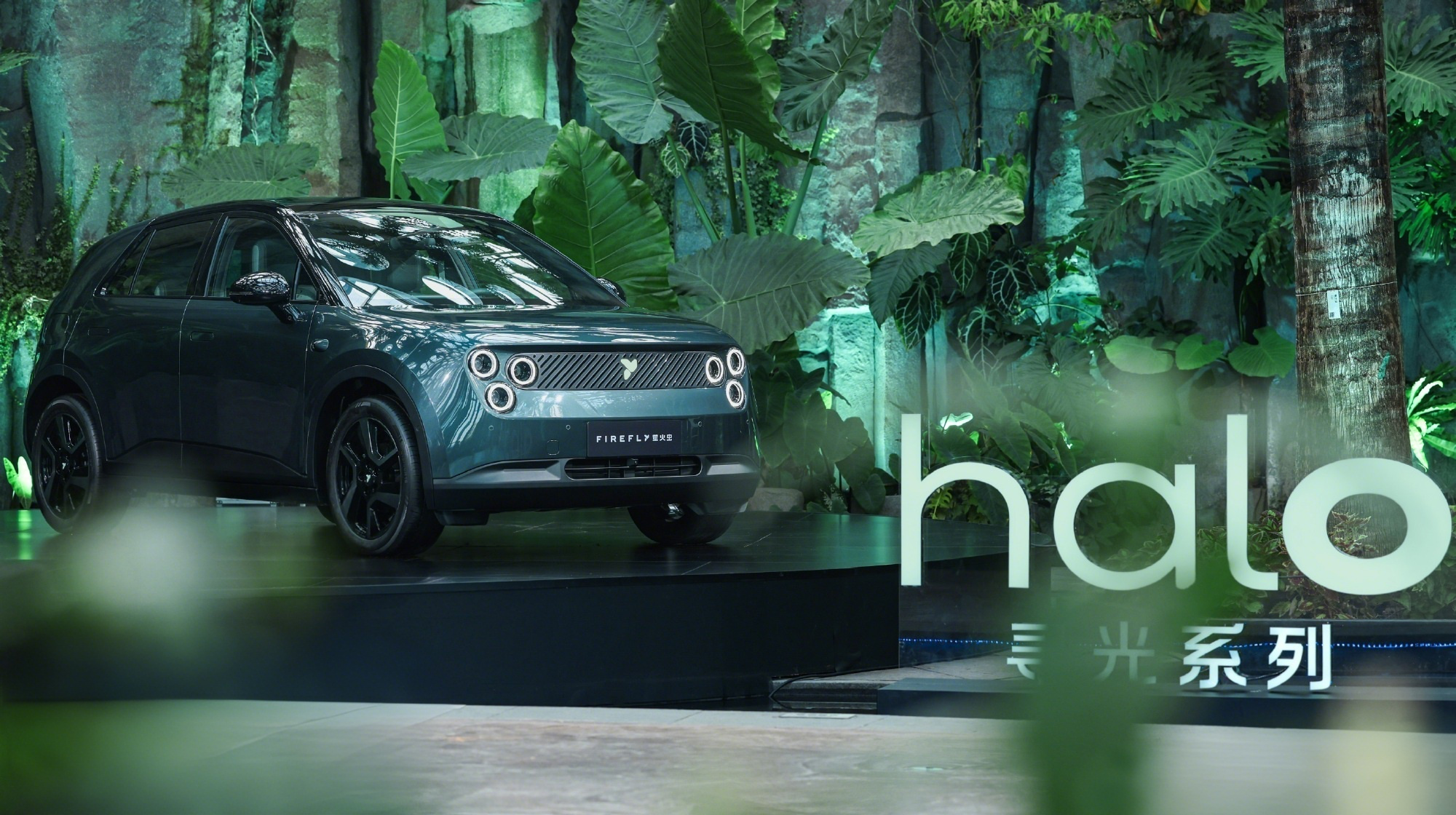
With AITO, Lynk & Co, and Leapmotor entering the premium extended-range segment — while NIO brand, Xiaomi EV, and Tesla maintain strong positions in the premium pure-EV space — Li Auto’s 2025 outlook is surrounded by intense external pressure.
For Li Xiang personally, however, the core focus lies in “operating model” and “corporate strategy.”
In last night’s earnings call, Li Xiang delivered an unusually long 15-minute, roughly 4,000-character opening speech.
His core message: as Li Auto enters its new decade, it must redefine its organizational structure, product logic, and technology roadmap — and clarify its goals.
For example, Li said that starting from Q4 this year, Li Auto’s team will return firmly to a startup model rather than a managerial BBA-style (Mercedes-Benz, BMW, and Audi) structure, to handle the new era of disruptive technology.
Meanwhile, embodied intelligent robotics and physical-world interaction systems will become central subjects of Li Auto’s next decade.
The following summarizes how Li Auto and Li Xiang responded to questions and challenges discussed in the call.
Losses and deliveries
Despite recording its first quarterly loss in two years, Li Auto still has substantial financial resilience.
The recall was the sole reason for the loss. The earnings release notes that excluding recall-related provisions, Q3 2025 vehicle-business gross margin would have been 19.8%.
The reported gross margin was 15.5%. Based on Q3 automotive revenue of RMB 25.9 billion ($3.62 billion), the recall provision exceeded RMB 1 billion ($140 million). Without that cost, Li Auto would not have posted a loss.
Additionally, Li Auto maintains a strong cash reserve of RMB 98.9 billion ($13.87 billion), leading among new-energy entrants.
Even so, this does not guarantee safety.

Li Auto’s potential profit this quarter would have been only nine-digits, significantly weaker than RMB 1.1 billion ($154 million) in Q2 2025 and RMB 2.8 billion ($392 million) in Q3 2024 — consistent with the delivery decline.
Li Xiang acknowledged that Q3 brought challenges from product transitions, public-relations pressure, supply-chain ramp-ups and policy changes.
During the call, neither Li Xiang nor President Ma Donghui discussed financial performance in depth.
Regarding recall costs, the only official response was: “I think we have announcement. Li doesn’t want to repeat most of the details.”
For Q4, improving sales execution is clearly the priority.
Li said the i-series is still accelerating production and market penetration.
Beginning in November, to support capacity ramp-up, Li Auto introduced dual battery suppliers for the i6.
Recent online screenshots indicate that selecting Sunwoda cells may shorten delivery by about two weeks.

Ma Donghui emphasized that despite dual suppliers, Li Auto will maintain consistent performance and quality standards for both.
Li Auto aims to raise i6 stable monthly capacity to 20,000 units by early 2026.
Strategy for 2026: How to reverse momentum?
Beyond existing products, Li Auto must face a new competitive wave in 2026.
Recently leaked photos and specs of the refreshed L series reveal larger batteries and more premium chassis upgrades.
Li said the 2026 L models represent a major overhaul, aimed at using “deterministic technology upgrades, deterministic delivery cadence, and deterministic value” to counter market uncertainty.

The revisions include simplified SKUs, 5C charging across the lineup, continued family design language, and upgrades focused on premium refinement.
Strategically, the goal is to reclaim leadership in the extended-range segment.
Ma Donghui added that as subsidies and purchase-tax benefits wind down in 2026, market forces will replace policy incentives — which will better expose true competitiveness.
Long-term, he said, technology must offset structural impacts: “There are no shortcuts.”
Li Auto plans to build 4,800 ultra-fast-charging sites by 2026, with over 35% located along expressways.
Ma expects NEV penetration to reach 55–60% in 2026, and above 60% for the premium segment.
Another major initiative in 2026 is rollout of Li Auto’s self-developed automotive-grade AI chip, M100.
To prepare, Li Auto will upgrade its AD architecture at the end of December, strengthening language-and-behavior-level interaction and improving decision pipelines.
Public details on M100 remain limited. According to previous media reports, it may debut in the next MEGA, with compute performance surpassing Thor-U.

With M100, Ma also previewed upcoming AD upgrades — including a first-in-industry defensive AES system, all-scenario parking, and intelligent vehicle-finding via Li Auto’s charging network.
Li Auto also disclosed that internal R&D efforts — including software systems and electrical components — could lower total costs by 20% and shorten development cycles by 9–15 months.
From electrification architecture to chips, Li Auto is preparing a fight to regain leadership in 2026.
Whether it can return to dominance in extended-range vehicles — and carve out a position in the pure-EV segment — remains an open question.
Discover more from ChinaEVHome
Subscribe to get the latest posts sent to your email.