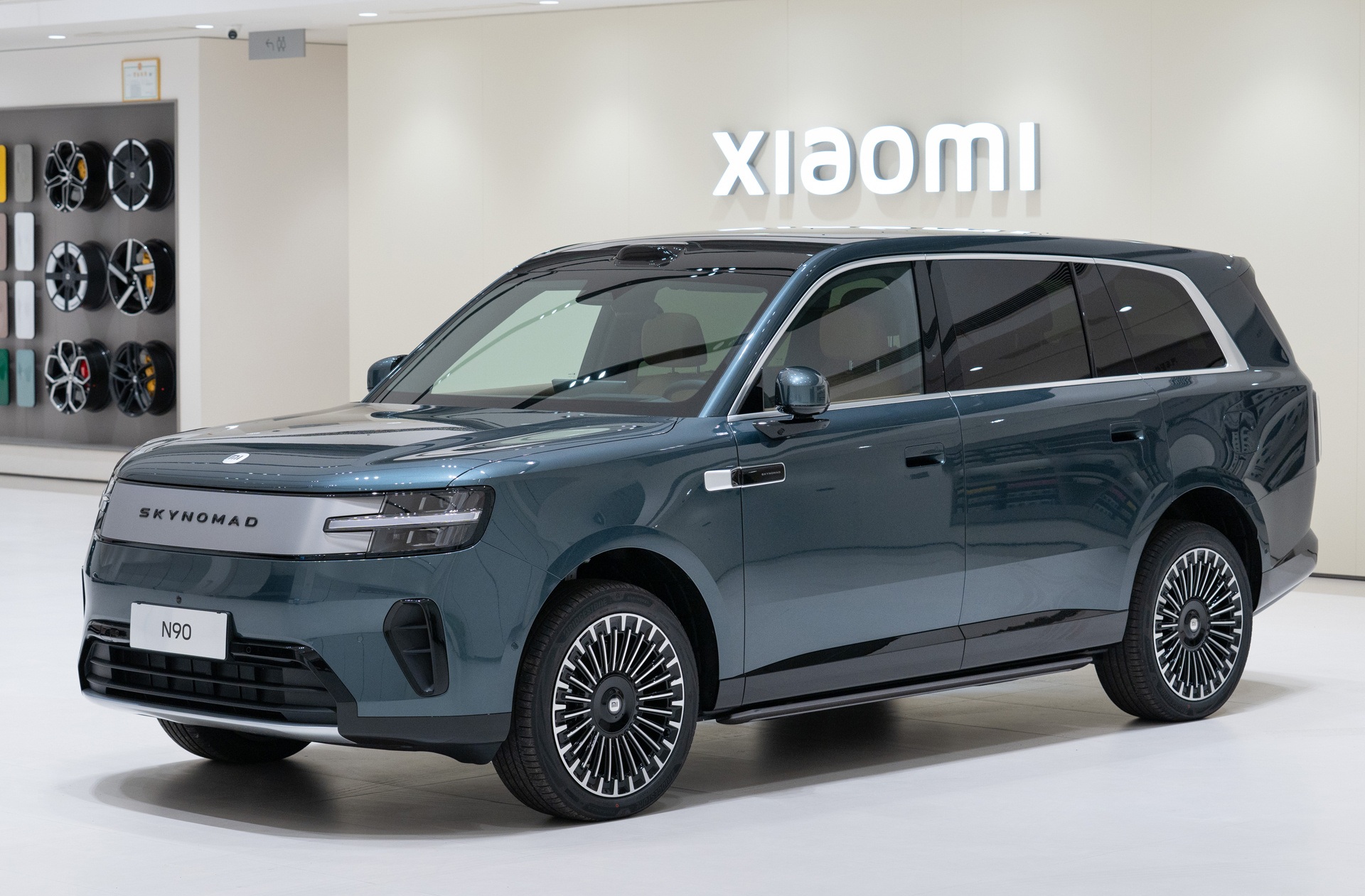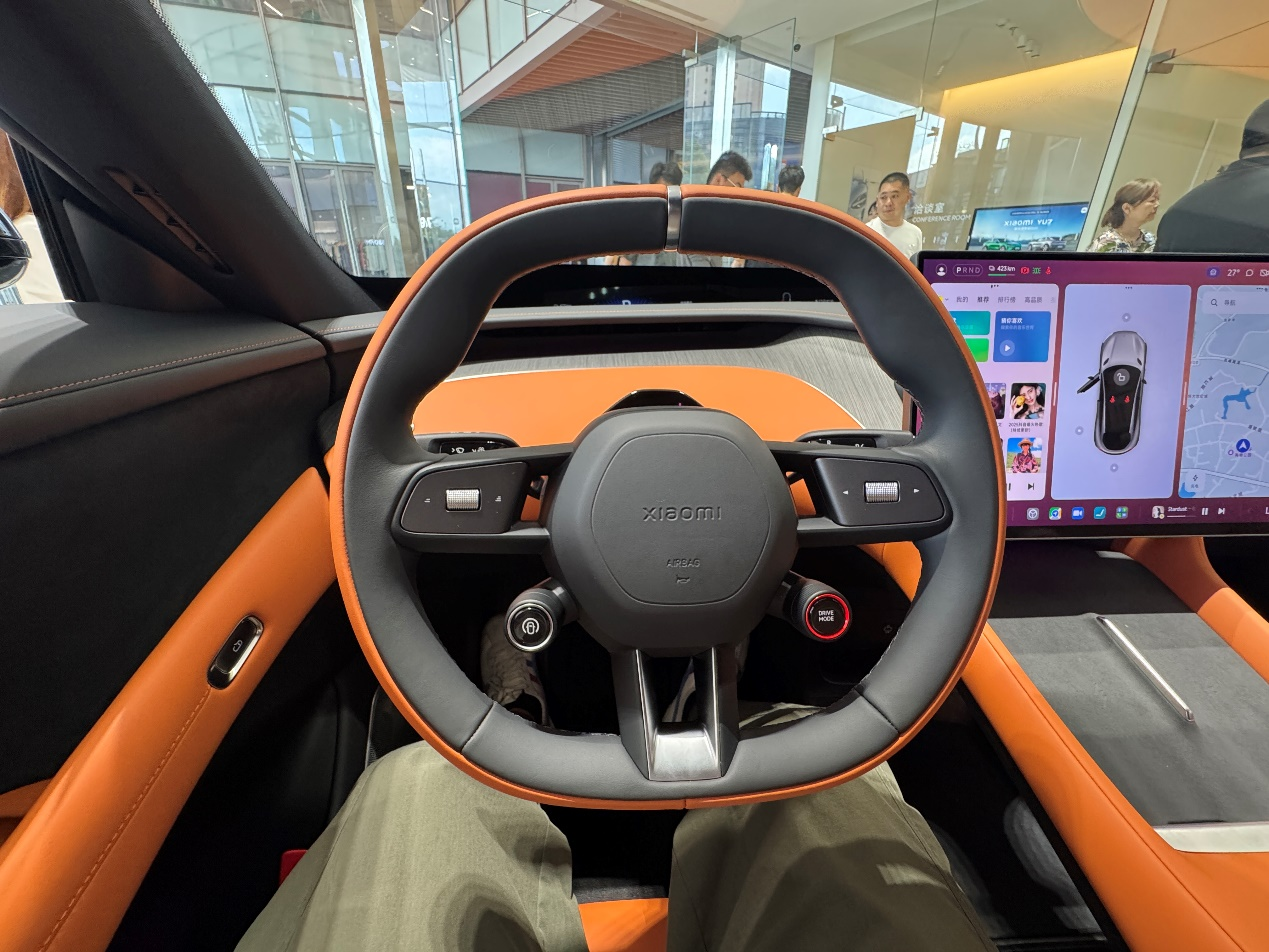
With reinforcement learning + world-model integration, the Enhanced Xiaomi HAD improves longitudinal control, lane-change decisions and complex-scenario path planning.
On November 27, Xiaomi Auto announced that the Enhanced Xiaomi HAD (Hyper Autonomous Driving) system has begun rolling out to users as part of the Xiaomi HyperOS 1.11 update.
Xiaomi reiterated that assisted driving is not autonomous driving and drivers must remain attentive at all times.
First unveiled at the Auto Guangzhou 2025, the Enhanced Xiaomi HAD supports 20 assisted-driving features.
As another major breakthrough following the June launch of the Xiaomi YU7 equipped with the 10-million-Clip end-to-end assisted driving system, the latest update introduces reinforcement learning and world-model-based training for the first time.

The upgrade delivers improvements including smoother acceleration and deceleration in longitudinal control, more decisive lane-change decisions, and more accurate road-environment understanding.
Performance is notably improved in scenarios such as side-cut-ins, overtaking and merging, flexible detours, and navigation through complex intersections.
In longitudinal control, the vehicle now responds more smoothly to cut-ins, speed changes and following behavior. In everyday traffic, other vehicles abruptly merging used to trigger harsh braking.

With reinforcement learning, the system can detect cut-ins earlier and adjust speed proactively, reducing discomfort from sudden deceleration.
For lateral control, lane-change and detour decisions are now more decisive. Whether overtaking or avoiding obstacles, the system better identifies executable timing, increasing traffic-flow efficiency and reinforcing driver confidence in its decision-making ability.

In complex scenarios such as multi-layer intersections, roundabouts and main-to-auxiliary-road transitions, path-planning clarity is also improved, reducing missed turns and sudden lane changes.
For example, when a left-turn lane is positioned on the far right, the system completes route alignment ahead of time to ensure smooth transitions.

On active safety, the Enhanced Xiaomi HAD expands AEB coverage and adds L-AEB, R-AEB and AES functionalities, while also enabling recognition of barriers including water-filled barricades, crash cushions, walls and columns.
Competition in assisted driving is entering a critical phase. Over the past year, multiple automakers have embraced end-to-end models as the direction of intelligent driving evolution, with system capability and scenario coverage emerging as key competitive benchmarks.
Xiaomi views assisted driving as fundamentally an AI problem. In 2025 alone, the company will invest more than RMB 7 billion ($1 billion) in AI.
Xiaomi has built an intelligent-driving team of more than 1,800 members, along with three major R&D hubs in Beijing, Shanghai and Wuhan.
Discover more from ChinaEVHome
Subscribe to get the latest posts sent to your email.