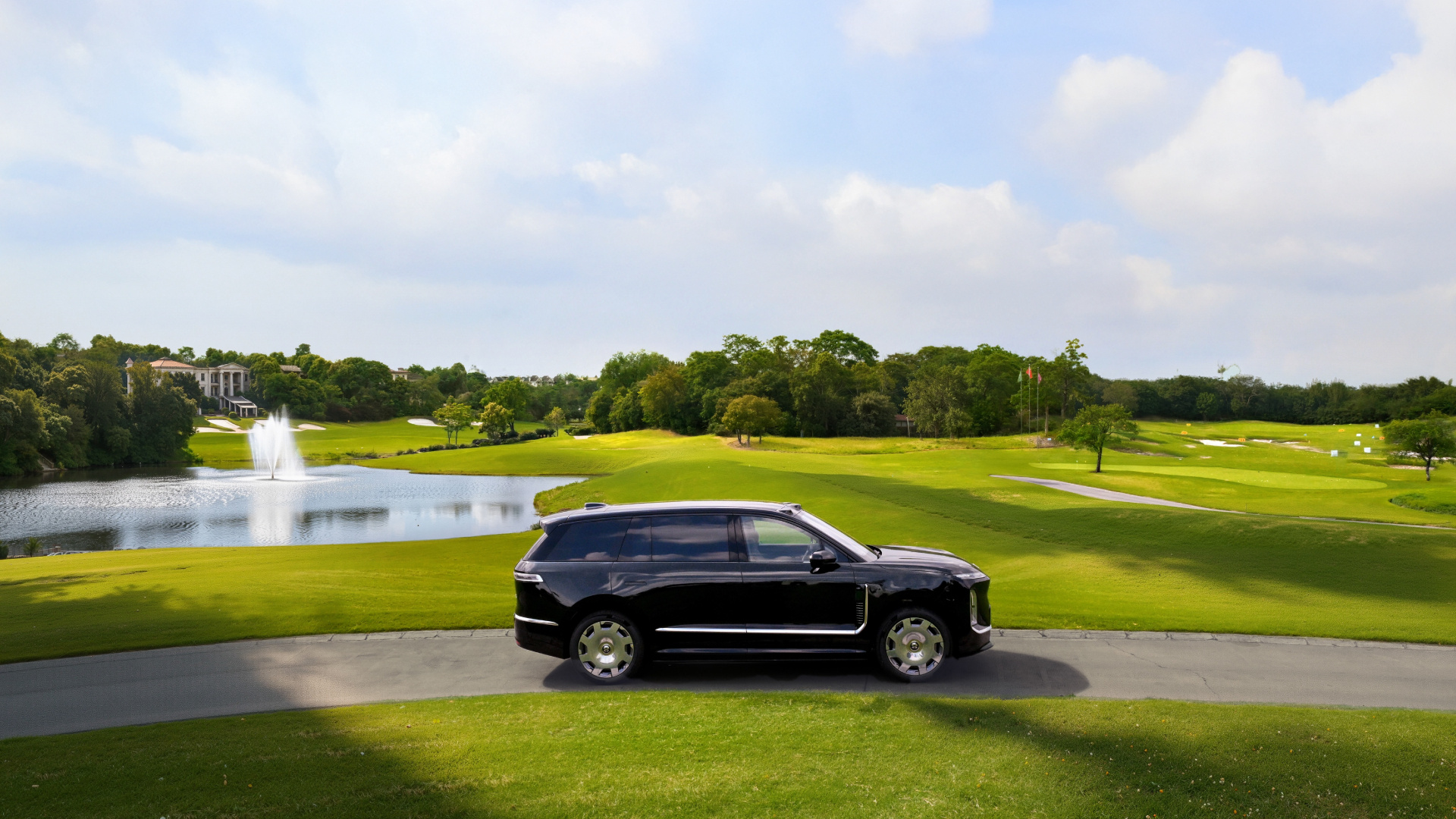
In November last year, the ET9 obtained regulatory approval, becoming the first production steer-by-wire model cleared for sale in China.
On December 2, China officially released the Steering System of Motor Vehicles—Basic Requirements (GB 17675-2025). NIO, as one of the leading drafting units, is also the first brand in China to secure regulatory approval and begin volume delivery of a full steer-by-wire (SBW) production model.

The standard incorporates SBW technology into national-level regulation for the first time, specifying system definitions, reliability, and functional-safety requirements, providing a regulatory foundation for product certification and practical deployment.
NIO has been involved in the steer-by-wire (SBW) national standard process from the very beginning.
Back in 2021, the previous version of China’s steering standard had already removed the restriction that “fully power-assisted steering mechanisms must not be used,” but it offered no clear framework.
Soon after, CATARC launched its research on chassis-by-wire technologies, and NIO was among the first automakers to join the technical discussions.

Subsequently, CATARC initiated research on steer-by-wire chassis technologies, with NIO among the first automakers involved in discussions.
In 2023, the National Automotive Standardization Committee officially established the “Steer-by-Wire Chassis Standard Working Group,” with NIO as a core participant in drafting GB 17675-2025.
In November last year, the NIO ET9 was included in the regulatory approval catalog, becoming the first steer-by-wire vehicle cleared for sale in China. Volume deliveries are scheduled to begin on March 29 this year.
As the only brand to complete mass-production and establish a full testing, validation, and operational-data system, NIO contributed essential practical insights to the standard-setting process.
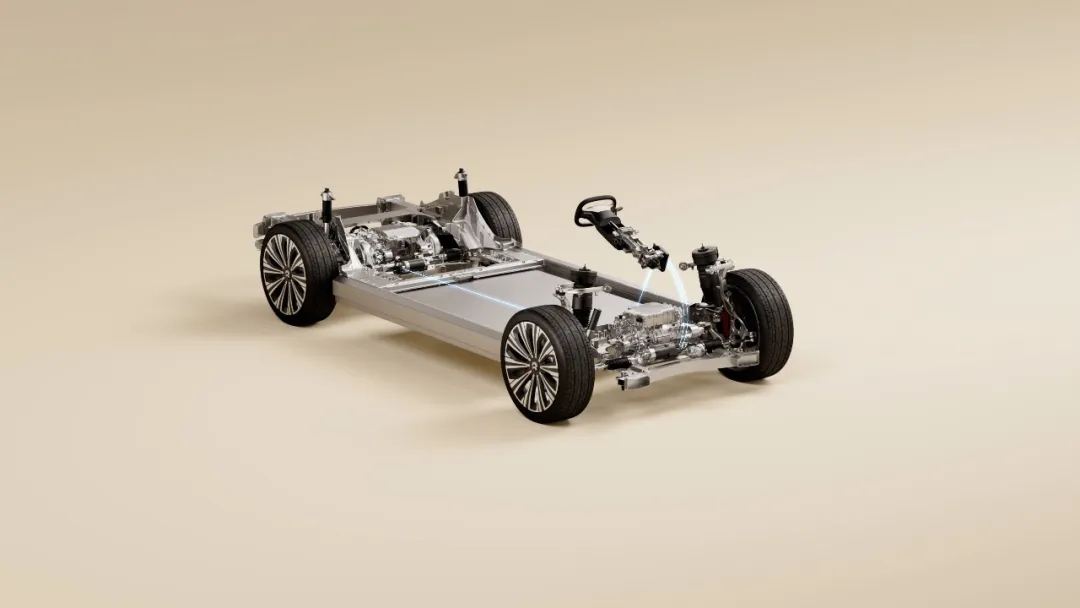
Steer-by-wire eliminates the mechanical connection between the steering wheel and steering mechanism, transmitting driver inputs electronically to actuators. This architecture enables greater cabin layout freedom and more adaptable control.
For example, the ET9 features a 153mm telescopic steering column — roughly 2.5 times the range of traditional systems.

In low-speed scenarios such as automated parking, steering can be completed with minimal wheel rotation, and the system switches steering states within 500ms, allowing seamless takeover.
In urban roads and parking lots, the ET9’s 240° single-side steering angle design requires just 0.66 turns lock-to-lock, reducing cross-movement and enhancing maneuverability.
At high speeds, the steering ratio returns to a conventional 14:1 configuration for stability and safety.

The technology also reflects the convergence of established and emerging supply-chain forces. NIO’s collaboration with ZF provides technical support for complex system deployment, while domestic suppliers, such as Zhejiang Shibao, jointly developed ET9’s long-travel steering column, marking China’s first leading capability in this critical component.
As intelligent systems increasingly drive automotive innovation, advanced steering systems as part of intelligent chassis technology are transitioning from technical exploration toward large-scale adoption.
Discover more from ChinaEVHome
Subscribe to get the latest posts sent to your email.