In November, 19 models recorded notable price cuts, including five PHEVs, two EREVs, and two BEVs.
Data released by Cui Dongshu, secretary-general of the China Passenger Car Association, show that discounting in the passenger car market intensified in November, with new cars seeing an average markdown of RMB 26,000 ($3,640), or 10.7%.
NEVs recorded even steeper cuts, averaging RMB 30,000 ($4,200), widening the monthly discount rate to 13.8%.

From January to November, NEVs posted an average price drop of RMB 24,000 ($3,360), or 11.7%, exceeding the roughly 9% decline among ICE vehicles.
ICE cars saw an average RMB 22,000 ($3,080) reduction in November, with an 8.3% discount rate, reflecting a comparatively milder adjustment.
Cui noted that the number of models undergoing price reductions in the first 11 months of 2025 remains limited and largely concentrated in NEVs, with most adjustments occurring in the first half. Price actions eased through Q3, and November remained relatively restrained.
Nineteen models registered official list-price cuts in November, up slightly from 14 models in October but below the 25 seen a year earlier, keeping the overall scale within a stable range.

Among them were five PHEVs (four more than a year ago), two EREV models (one more YoY), and two BEVs (ten fewer YoY). The rest included eight ICE vehicles and two hybrid ICE models.
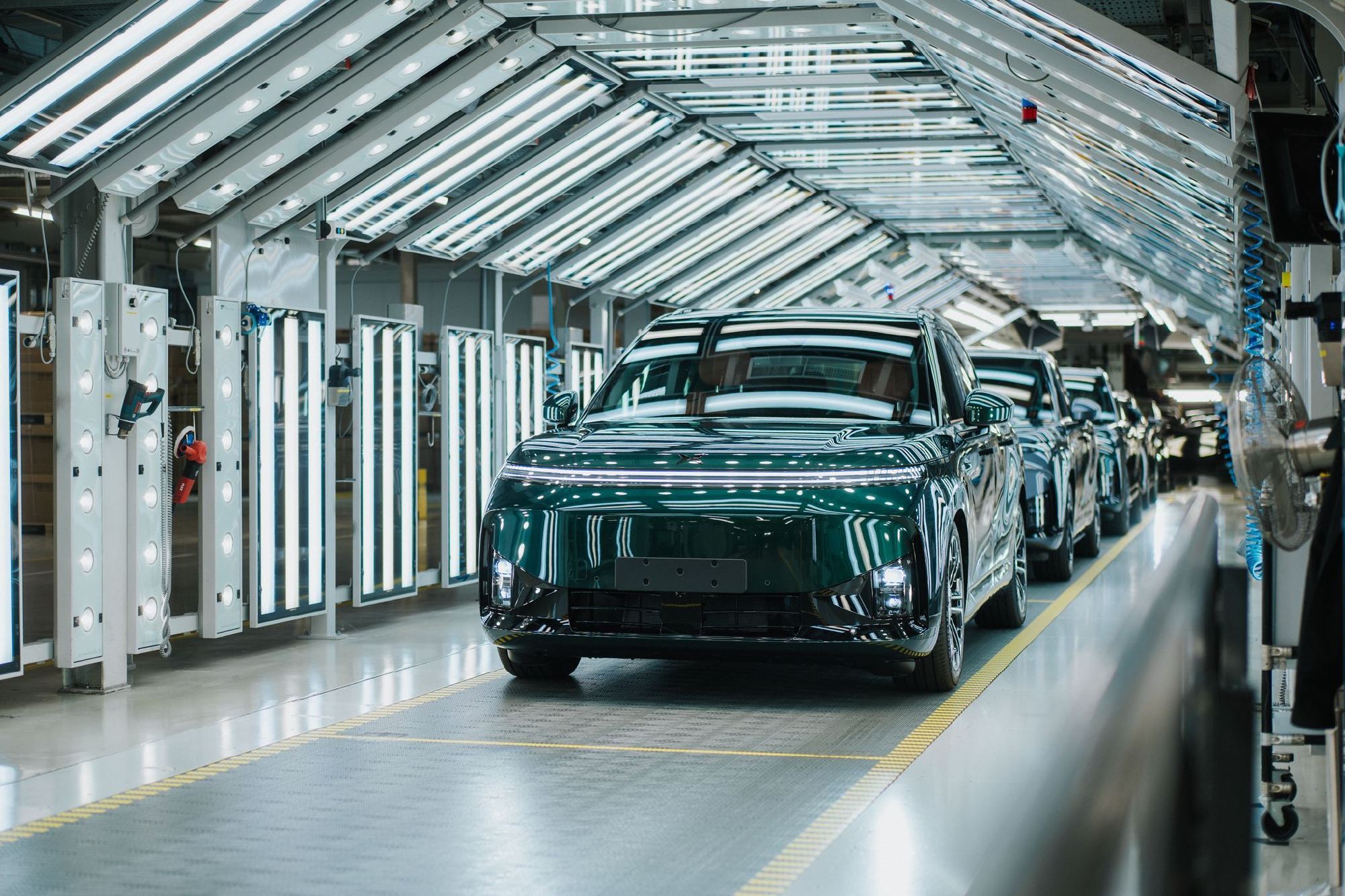
In the BEV segment, the most notable adjustment came from the Stelato S9, whose BEV variant saw its lowest listed price fall from RMB 399,800 ($55,972) to RMB 329,800 ($46,172), a 17.5% cut.

For EREVs, the BJ40 posted the deepest reduction, slashing RMB 52,000 ($7,280), or 22.4%.
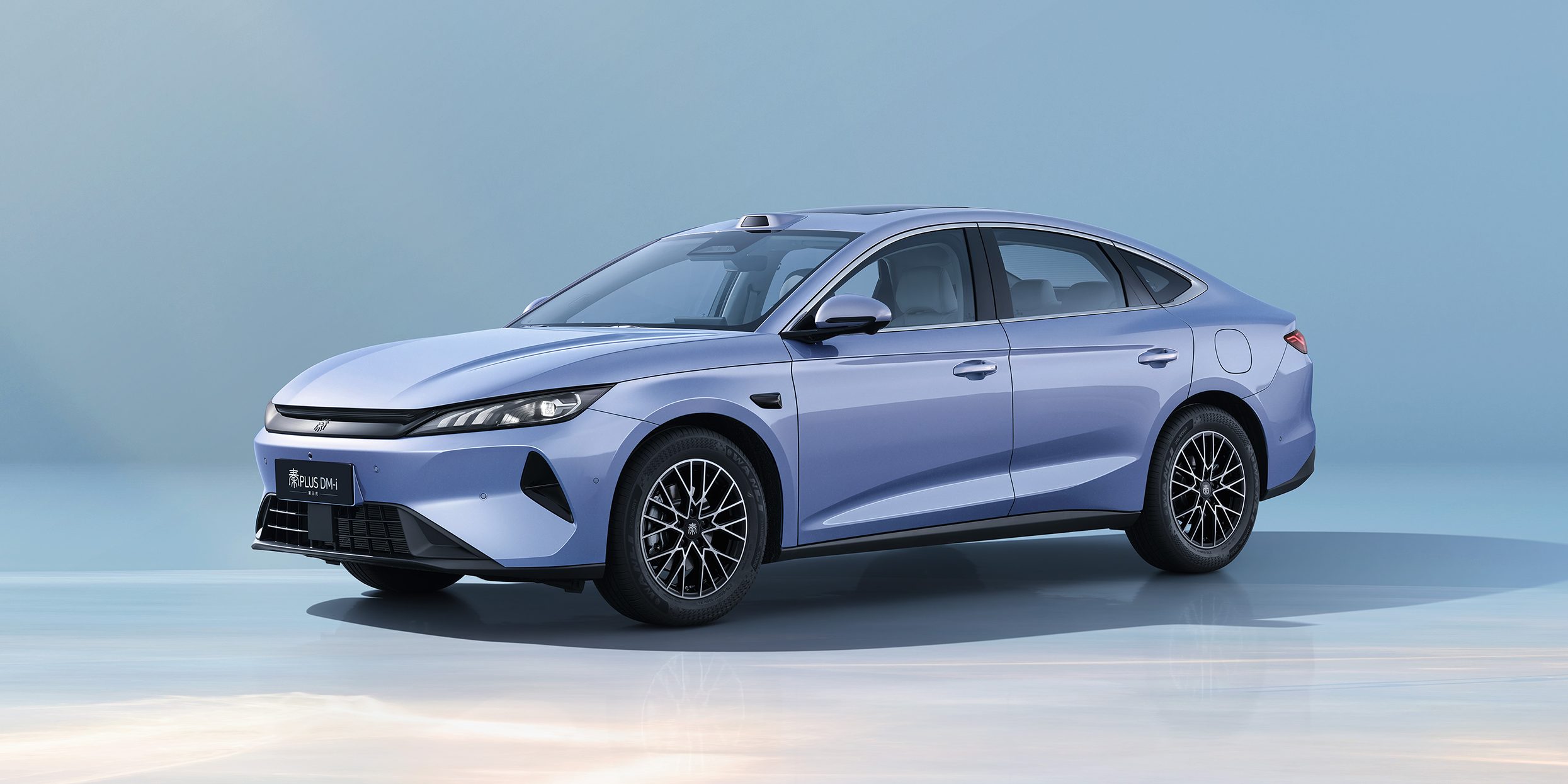
In the PHEV segment, BYD’s Xia Plug-In Plus led major moves, dropping from RMB 249,800 ($34,972) to RMB 209,800 ($29,372), a 17.2% cut.
Shifts in pricing strategy have also driven a rebound in promotional activity. NEV promotional intensity rose to about 10.1% in November, up 0.3 percentage points from the prior month and 3.1 points higher than a year ago.
The overall promotional landscape has remained stable in recent months. As list-price cuts moderate across some models, incentives have returned to mid-to-high levels.
By contrast, ICE and hybrid ICE models face lighter promotional pressure, while PHEV and EREV incentives showed greater volatility, rising 5.3 and 5.1 percentage points, respectively.

At the channel level, dealer-side promotions in November largely prioritized stability, with margin protection as the guiding strategy.
European brands currently offer higher incentives, mainstream joint-venture brands remain around roughly 25%, and Chinese brands maintain comparatively lower promotional levels.
Overall, NEVs remain the main source of pricing volatility this year. With year-end competition tightening, automakers are using a mix of list-price reductions and incentives to recalibrate product cadence—setting the stage for further uncertainty in pricing structures in 2025.
Discover more from ChinaEVHome
Subscribe to get the latest posts sent to your email.