November saw demand volatility in China’s NEV market, with BYD and Tesla leading sales despite competition challenges.
With the phase-out of purchase-tax subsidies and a wave of temporary incentives, car-buying demand has been pulled forward over the past several months.
As Tesla founder and CEO Elon Musk warned on the company’s Q3 earnings call, “the next few quarters will be challenging.”
That pressure is reflected in China’s November Top 10 NEV sedan ranking.
Compared with October, several high-volume models continued to show sequential declines, including the Geely Galaxy A7 and Leapmotor B01.
Still, November brought several notable shifts in the Top 10, while also highlighting the resilience of leading brands amid intensified competition.
The biggest change: Tesla’s Model 3 returned to the chart and shot straight into the Top 3. Xiaomi’s SU7, which ranked seventh in October, slipped further to ninth—still in the Top 10 but showing signs of strain.
Ranking changes also pushed certain models out of the Top 10, such as the Geely Galaxy Starship 8.
What remained consistent is BYD’s strength: four models entered the Top 10, while Geely Galaxy A7, Chery Fulwin A9L, and Leapmotor B01 held relatively stable positions.
So who were the winners in China’s NEV sedan market in November? Here is a breakdown.
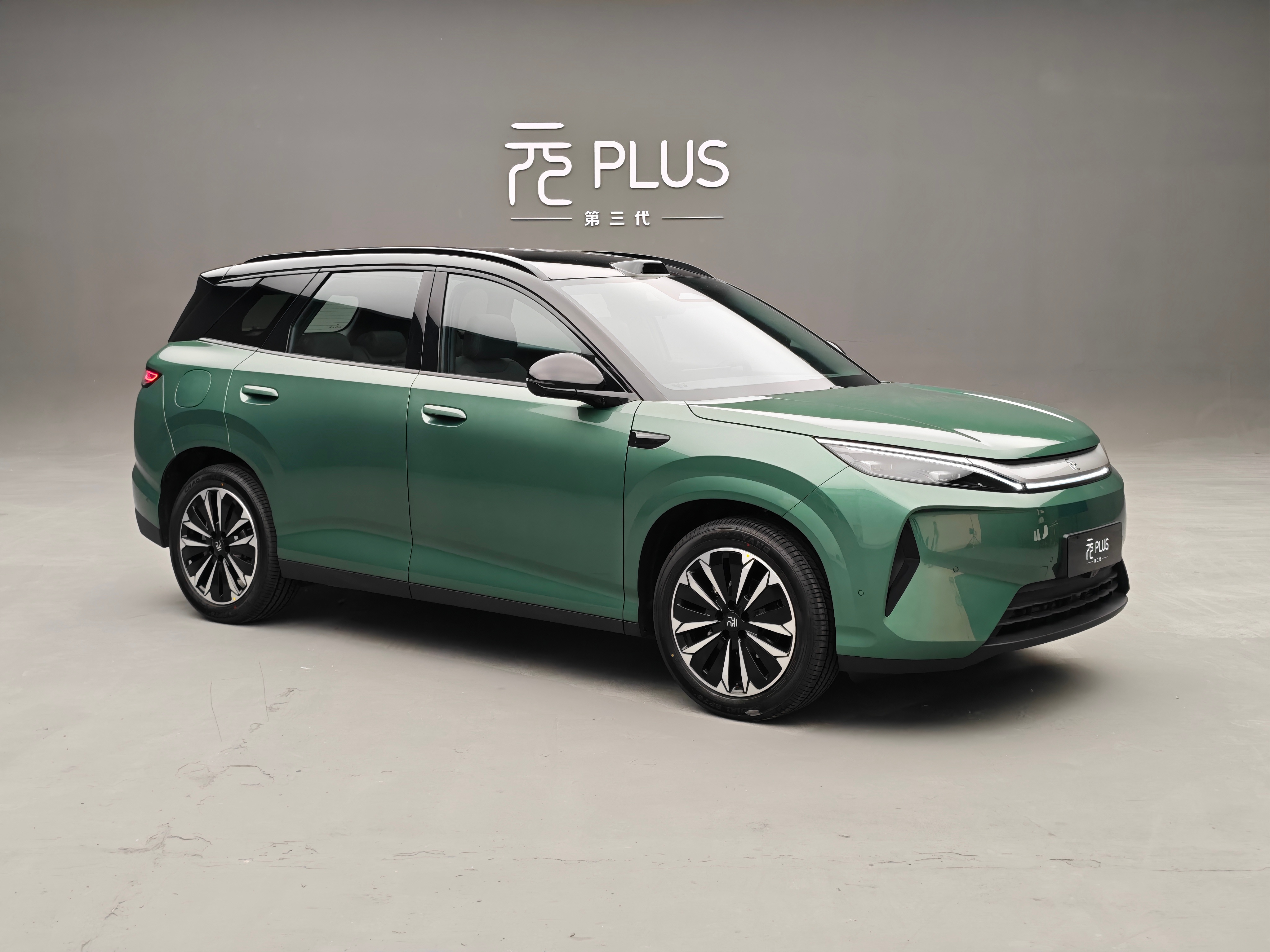
No. 1 BYD Qin PLUS: 35,368 units

BYD’s Qin PLUS remained the uncontested leader, selling 35,368 units in November—30 more than in October.
The brand’s “electric-first hybrid-supported” positioning reflects the influence of BYD’s DM-i system in the NEV market. Of the 35,368 units sold, 28,213 were DM-i hybrids and 7,155 were EVs.
BYD appears to be adjusting its product strategy for the Qin lineup.
A new “Qin MAX” appeared in the December MIIT filing, resurrecting the MAX suffix and using a 240 kW motor.
A stronger pure-electric offering may help rebalance the Qin lineup, where hybrids have long outsold EVs.
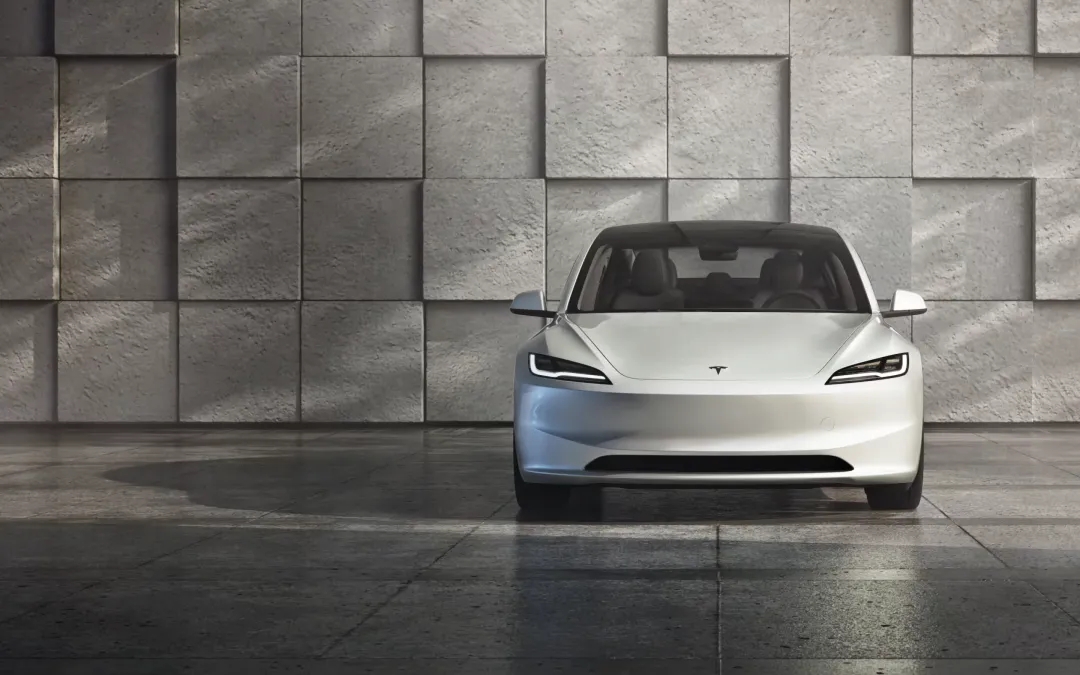
No. 2 Tesla Model 3: 26,013 units

Following its typical early-quarter production adjustment, Tesla’s Model 3 became the biggest swing factor in November.
Model 3 sales rose to 26,013 units, a nearly 300% jump from October’s 6,518, returning to the Top 10 and landing directly at No. 2.
Unlike the hotter-selling Model Y, Model 3 does not appear capacity-constrained.
According to Tesla China’s website, delivery times are 4–6 weeks with a substantial inventory of ready-to-deliver units.
Orders placed before December 31 qualify for an RMB 8,000 ($1,120) insurance incentive and a five-year zero-interest financing plan.
With purchase-tax incentives set to halve in 2026, fast delivery could generate another sales bump for Model 3 in December.
No. 3 BYD Seal 05 DM-i: 21,002 units

The BYD Seal 05 DM-i also crossed the 20,000-unit threshold in November, selling 21,002 units, up 34.1% month-on-month.
Supportive incentives—including up to RMB 4,000 ($560) trade-in subsidies, zero-down-payment financing, and lifetime powertrain warranties for first owners—lowered the barrier for new and replacement buyers.
While BYD’s Ocean and Dynasty divisions do not offer year-end tax-difference compensation, most models in these lineups are priced below RMB 150,000 ($21,000), and their product strength and purchase incentives remain highly competitive.
Still, strong rivals such as Geely’s Galaxy Starship 6 are emerging. That model sold 6,433 units in November, nearly 5,000 more than in October.
No. 4 BYD Qin L: 17,864 units

BYD’s Qin L recorded 17,864 units in November, down 19.8% from October, marking its lowest monthly total in half a year.
Even so, it continued to outsell its sibling, the Seal 06, and ranked fourth.
Of the 17,864 units sold, 11,224 were DM-i hybrids and 6,640 were EVs—again showing BYD’s hybrid dominance.
Positioned against hybrid midsize sedans such as the Toyota Camry, the Qin L appeals to buyers prioritizing reliability and efficiency, making strong DM-i sales unsurprising.
However, the Qin family’s EV performance has been consistently weaker—leaving space for competitors such as the Leapmotor B01 and Xpeng’s MONA M03.
No. 5 BYD Seal 06: 16,764 units

BYD’s Seal 06 sales fell 6.3% month-on-month to 16,764 units, trailing the Qin L by about 1,100 units.
Of these, 8,922 were hybrids and 7,842 were EVs—showing a more balanced split than the Qin L.
Seal 06 targets younger buyers and offers more diverse body styles, including the Seal 06 GT (hatchback) and the Seal 06 wagon, which sold 1,968 and 3,137 units respectively in November.
According to social-media analyst “95 Supreme Leopard,” Seal 06 and its wagon variant sold around 1,200 units in Germany in November, remaining core models for BYD in Europe.
How BYD will further leverage the Seal IP will become clearer with its 2026 product roadmap.
No. 6 Xpeng MONA M03: 14,846 units

Xpeng’s MONA M03 declined 8% month-on-month to 14,846 units in November.
Even so, it remains the top-selling A-segment pure-electric sedan.
As of November 2025, Xpeng’s cumulative deliveries reached 391,937 units—already surpassing its full-year target of 350,000.
If annual deliveries exceed 440,000, Xpeng will achieve more than double its 2024 volume.
With the launch of the X9 Super Range-Extender, Xpeng formally entered the range-extended market. MIIT filings show that G7 and P7+ range-extended versions are slated for 2026, supporting Xpeng’s scale expansion.
No. 7 Leapmotor B01: 13,401 units

The Leapmotor B01 sold 13,401 units in November, slightly below October’s 13,697.
Leapmotor’s overall sales momentum plateaued in November, nearly matching October, but the brand remains one of the strongest among new-energy startups.
The gap between the B01 and Xpeng’s MONA M03 continues to narrow. With solid configuration and rare-in-segment lidar, the B01 is attractive to younger cost-conscious buyers.
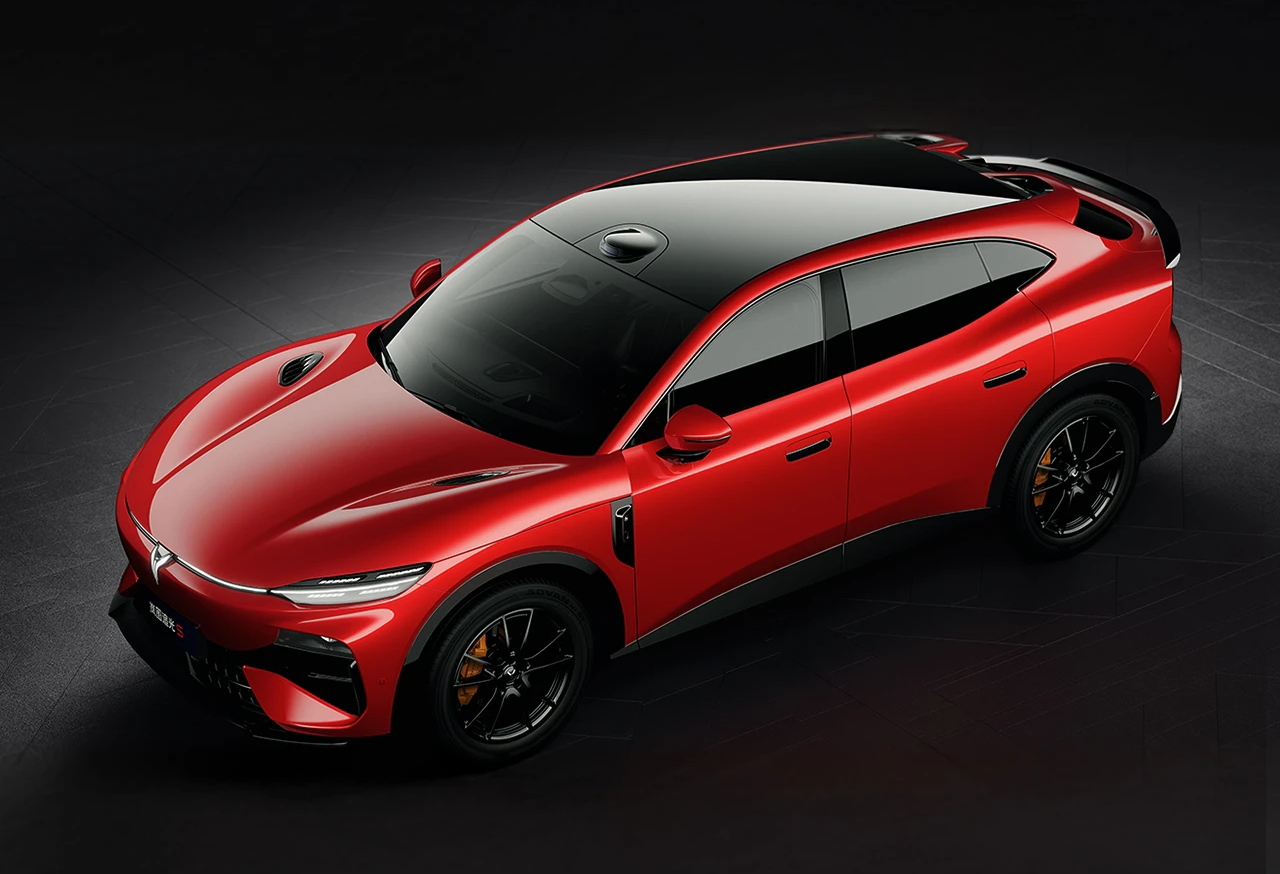
Meanwhile, the recently launched Lafa5 delivered a surprising ramp-up, selling 7,397 units in November. Together with the ABCD model family, Leapmotor shows substantial upward potential.
In 2026, Leapmotor plans to target 1 million annual sales. Whether its two core series can deliver stronger product surprises remains to be seen.
No. 8 Geely Galaxy A7: 12,899 units

Geely’s Galaxy A7 sold 12,899 units in November, down 18.8% month-on-month and dropping three positions in the ranking.
Even so, the model has achieved four consecutive months above 10,000 units. In the midsize sedan category, it ranks second only to the Tesla Model 3, with the Qin L DM-i in third.
In November, the A7 received its first OTA upgrade, adding enhancements to the H3 assisted-driving suite and the Flyme Auto 1.10.0 system—13 updates in total.
Across the Galaxy lineup—including the Starship 7 EM-i, A7, M9, Xingyuan, and E5—several models routinely surpass 10,000-unit monthly sales. The upcoming V900 flagship MPV is expected to further strengthen the brand.
No. 9 Xiaomi SU7: 12,520 units

The Xiaomi SU7 saw one of the biggest ranking shifts in November, selling 12,520 units—down 16.4% month-on-month and falling from seventh to ninth.
Its ranking contrasts sharply with the Model 3’s rebound, demonstrating two months of significant volatility—one down, one up.
According to the CPCA, Xiaomi sold 46,349 units in November overall, with the YU7 contributing 33,729 units.
The SU7’s dominance is gradually being replaced by the more practical, higher-profile YU7.
On December 1, Xiaomi began offering ready-to-deliver inventory. Buyers with locked orders can switch to available units, most of which stores describe as “0-km new cars,” enabling faster delivery.
Meanwhile, rumors suggest the facelifted SU7 is nearing launch, along with an extended executive version, the SU7 L—positioned against the Porsche Panamera.
These additions could inject new momentum into the SU7 lineup.
No. 10 Chery Fulwin A9L: 8,037 units

Chery Fulwin A9L was the only model in the Top 10 to sell fewer than 10,000 units in November, with 8,037 units—down 22% month-on-month. The BYD Han family followed just behind with 7,841 units, outside the Top 10.
Mid-November, the A9L launched its new Guanghui (AWD) variants, priced at RMB 171,900–226,900 ($24,100–$31,800), with promotional trade-in prices starting from RMB 139,900 ($19,600).
Rapid iteration has also generated owner complaints. According to China’s Vehicle Quality Network, the A9L ranked first in November 2025 complaints, with disputes over model updates and policy changes being the most common issues.
The A9L is highly competitive at the RMB 150,000 ($21,000) level, but upward mobility will depend on product operations and refresh cadence.
Discover more from ChinaEVHome
Subscribe to get the latest posts sent to your email.