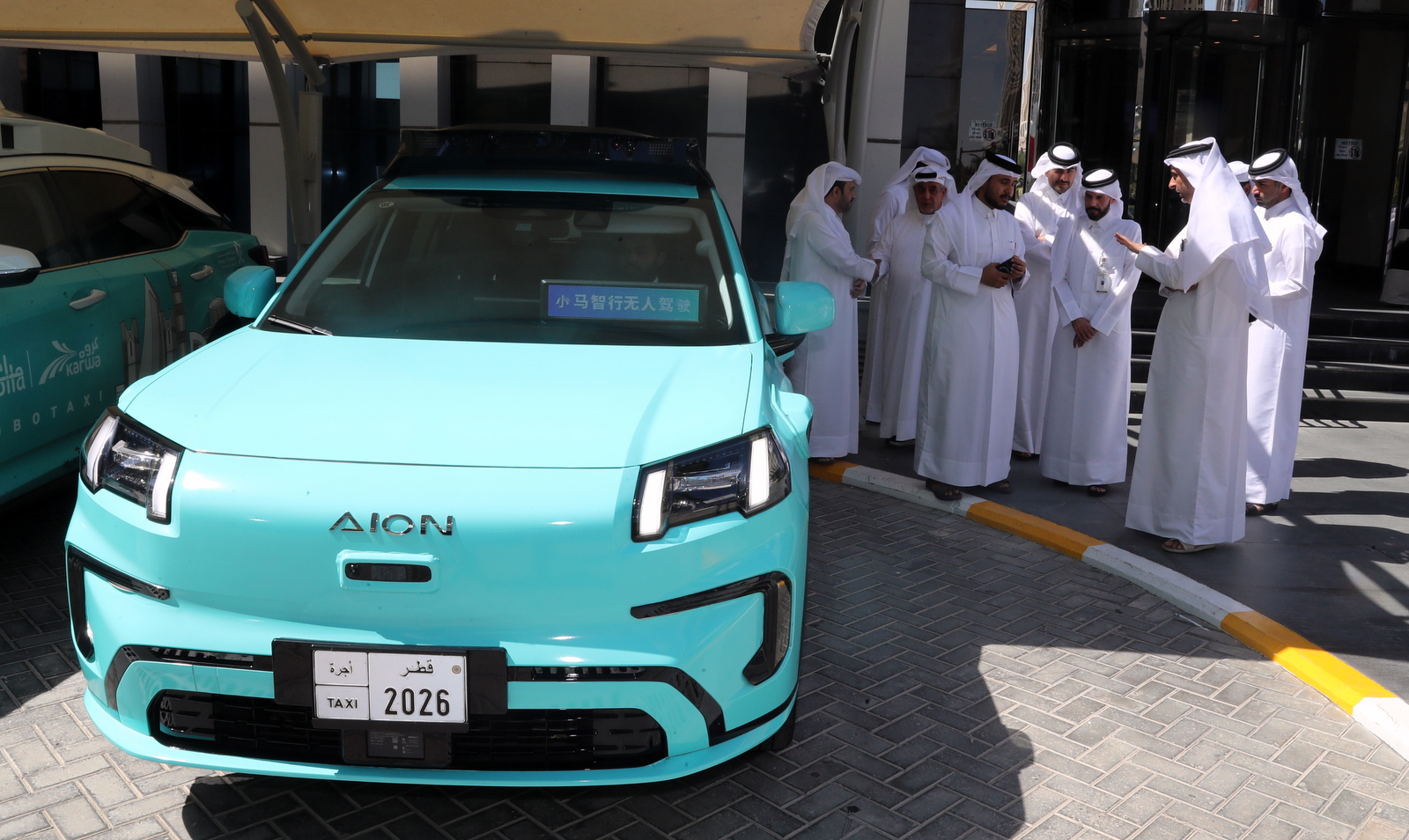
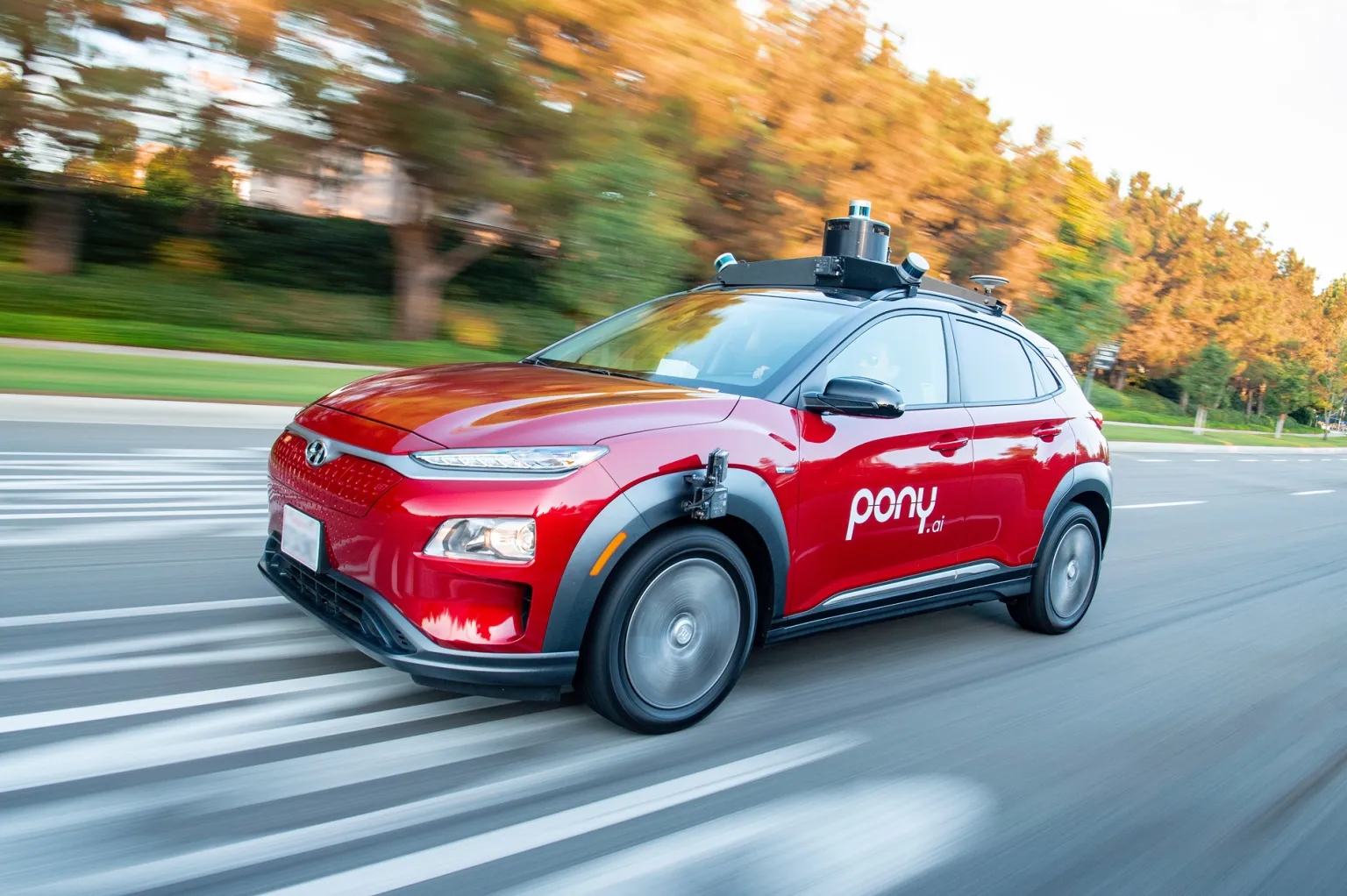
Pony.ai’s Robotaxi fleet in Guangzhou now generates about RMB 299 ($41.86) in daily revenue per vehicle after discounts and refunds, reaching per-vehicle revenue break-even in November.
According to domestic media report, Pony.ai has become the first firm to achieve positive per-vehicle profitability for Robotaxi operations at the city level in Guangzhou, China as its fleet continues to scale.
At a media briefing on December 16, Pony.ai co-founder and CFO Wang Haojun said the company’s Robotaxi fleet in Guangzhou now averages 23 orders per vehicle per day, generating about RMB 299 ($41.86) in daily revenue per vehicle after discounts and refunds. This level of utilization enabled the fleet to reach per-vehicle revenue break-even in November.
Guangzhou’s emergence as the first city to hit break-even on Robotaxi economics was widely expected.
The city was an early mover in opening autonomous driving policies and advancing commercial pilots, while a sufficiently large fleet has created clear network effects.

As the only autonomous driving company holding Robotaxi demonstration operation permits in four Tier-1 Chinese cities, Pony.ai has already achieved 24/7 operations in Guangzhou.
Cost structure improvements have been central to the shift toward profitability. Wang noted that earlier fifth- and sixth-generation Robotaxi models were burdened by high costs, meaning larger deployments actually increased losses.
The seventh-generation Robotaxi, which entered fully driverless commercial operations in Beijing, Guangzhou and Shenzhen starting in November, has reduced autonomous driving hardware costs by more than 70%. Costs are expected to fall by a further 20% next year, laying the groundwork for large-scale expansion.

On the operations side, insurance costs are around 50% lower than those of traditional taxis due to a strong safety record.
Staffing efficiency is also improving, with the current ratio at roughly one operations staff member per 20 vehicles, expected to rise to 1:30 by year-end, further diluting per-vehicle costs.
From a financial perspective, Robotaxi is becoming a core growth driver. Pony.ai reported third-quarter revenue of RMB 181 million ($25.34 million), up 72.0% year on year. Robotaxi revenue rose 89.5% to RMB 47.7 million ($6.68 million), while passenger fare revenue more than tripled.
Gross margin for the quarter improved to 18.4%, up from 9.2% a year earlier, mainly driven by the rising share of Robotaxi operations. The company remains in an investment phase, however, reporting a Non-GAAP net loss of $55 million.

In a cross-market comparison, Pony.ai’s average daily orders per vehicle in Guangzhou are now approaching Waymo’s levels in the United States, although the RMB 299 ($41.86) in daily revenue remains relatively low by domestic ride-hailing standards.
Wang said the long-term goal is for Robotaxi economics to match or exceed those of human drivers, which will underpin future expansion.
With per-vehicle gross profitability achieved, Pony.ai has begun adjusting its expansion strategy.
As of November 23, its Robotaxi fleet stood at 961 vehicles and is expected to exceed 1,000 by year-end, with plans to grow to 3,000 vehicles by 2026 and reach a 100,000-vehicle scale by 2030.
At the same time, the company plans to shift from a heavy-asset, self-owned model toward a lighter structure, scaling through vehicle sales, technology licensing and service revenue sharing.
Overseas expansion will prioritize the Middle East, where the current focus remains on accumulating safety mileage.
Discover more from ChinaEVHome
Subscribe to get the latest posts sent to your email.