- Geely will unveil China’s first purpose-built Robotaxi prototype at Auto China 2026 showcasing L4 AI digital architecture.
- The prototype integrates a World Action Model, enhanced compute and perception under a unified “physical AI” framework.
- Geely runs a dual-track strategy: mass-produced GXR Robotaxi for near-term deployment and a ground-up prototype for long-term tech leadership.
On April 21, Geely Auto Group announced it will appear at the Beijing Auto Show (Auto China 2026) on April 24 with a semi-hall exhibition, where it will debut China’s first purpose-built Robotaxi prototype.
Geely will bring together brands including Zeekr, Lynk & Co, Geely Galaxy and China Star to showcase the latest developments in its “Full-domain AI 2.0” and “Full-domain Safety 2.0” technology systems.

The company will also introduce a dedicated technology ecosystem exhibition area, featuring forward-looking technologies such as Super EVA, G-ASD 4.0 and intelligent cockpit concepts.
From a technical perspective, the Robotaxi prototype is built on Geely’s L4-level AI digital architecture, integrating a World Action Model and L4 autonomous driving capabilities.
According to available information, the vehicle will feature enhanced onboard computing power and perception hardware.
Meanwhile, it introduced the concept of “physical AI” to unify perception, decision-making and execution within a single framework, representing a key step in Geely’s embodied intelligence strategy.
In comparison, Geely’s previous Robotaxi initiatives have focused more on practical deployment.
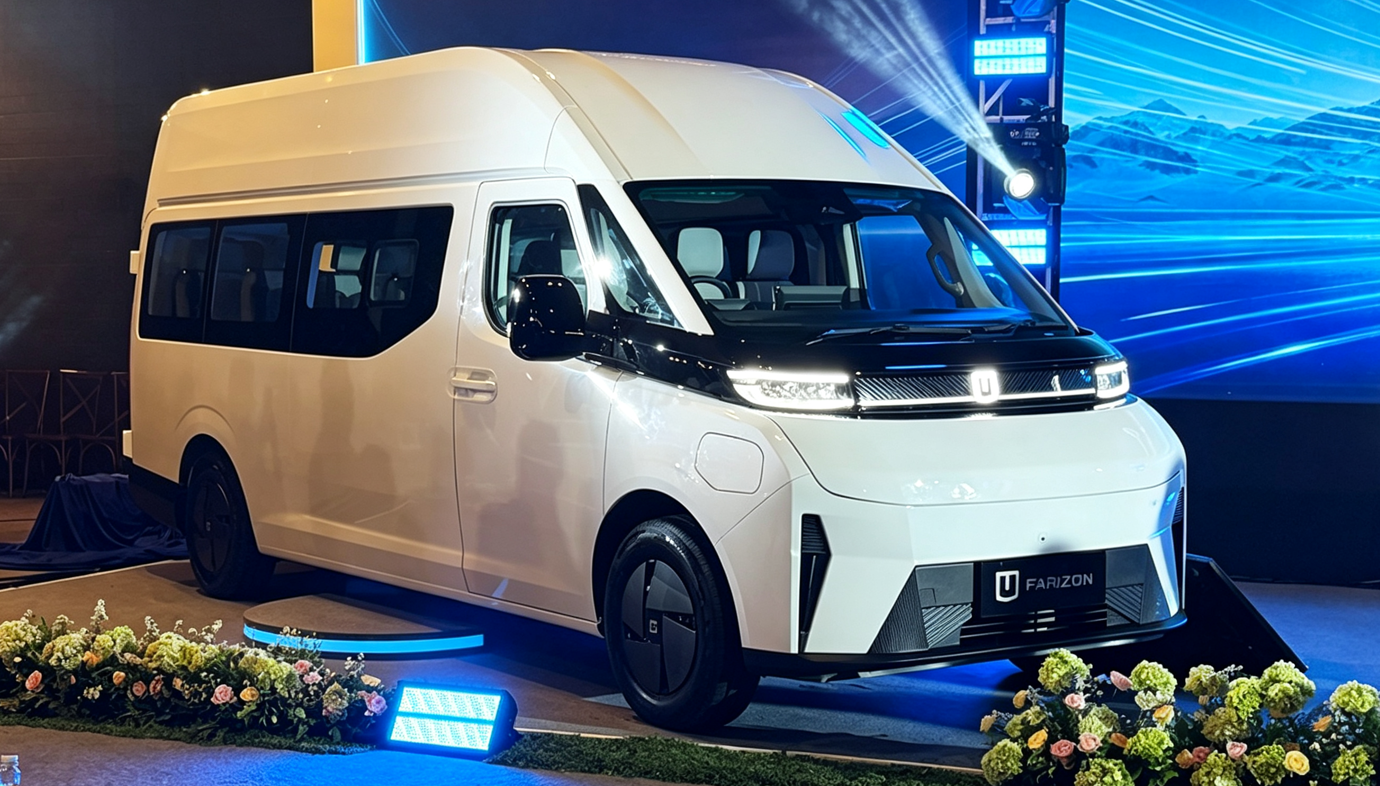
In March, its commercial vehicle brand Farizon partnered with an autonomous driving firm WeRide to launch an upgraded mass-produced Robotaxi GXR.

Under current plans, the upgraded GXR Robotaxi will roll off the production line in the third quarter of 2026, with around 2,000 units expected to be delivered and deployed in both domestic and overseas markets.
The distinction between the two approaches is clear. The GXR follows a path of adding autonomous capabilities to existing vehicle platforms, emphasizing cost efficiency and scalability.
In contrast, the newly unveiled prototype represents a ground-up, self-developed strategic model, focused on long-term technological advancement.
This dual-track strategy reflects broader trends in the Robotaxi sector.
On one hand, autonomous driving companies such as Pony.ai and WeRide are accelerating commercialization, prioritizing operational efficiency and cost optimization.
On the other hand, automakers are exploring native architectures to redefine vehicle design, reserving capacity for higher-level autonomous driving in the future.
Discover more from ChinaEVHome
Subscribe to get the latest posts sent to your email.