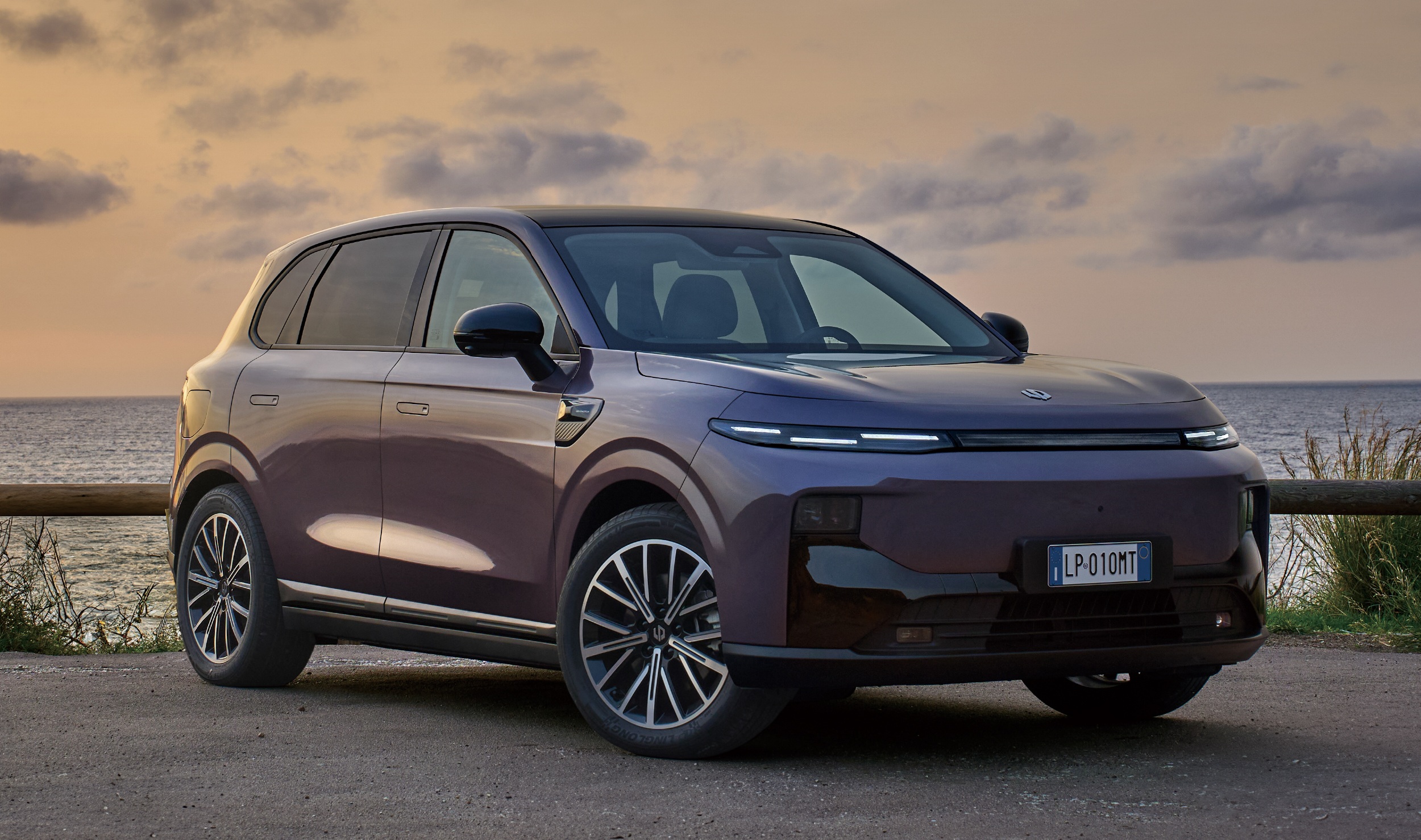
- IEA projects global EV sales to hit 23 million in 2026, a 15% year-on-year rise and nearly 30% of new-car sales.
- China supplied roughly 60% of global EVs in 2025 and exported over 2.5 million units, doubling year-on-year.
- Battery dominance persists with China holding >80% of global cell production capacity in 2025.
The International Energy Agency (IEA), in its latest Global EV Outlook report, forecast that global electric vehicle sales will reach 23 million units in 2026, up around 15% year-on-year and accounting for nearly 30% of global new-car sales.
Over the past several years, the global EV market has gradually shifted from being policy-driven to increasingly market-driven.
One new variable emerging this year, however, is renewed volatility in international oil prices.
The IEA noted in the report that escalating tensions in the Middle East have pushed global oil prices higher, significantly increasing the cost of gasoline consumption and further amplifying EVs’ operating-cost advantages.

Looking back at 2025, global EV sales rose 20% year-on-year, surpassing 20 million units for the first time. Around 40 countries worldwide have now achieved EV penetration rates above 10%.
China remains the industry’s dominant manufacturing hub. According to the report, approximately 60% of EVs sold globally in 2025 came from Chinese automakers, while European and U.S. automakers each accounted for roughly 15%.
As domestic production capacity continues to expand, China’s EV exports are also growing rapidly.
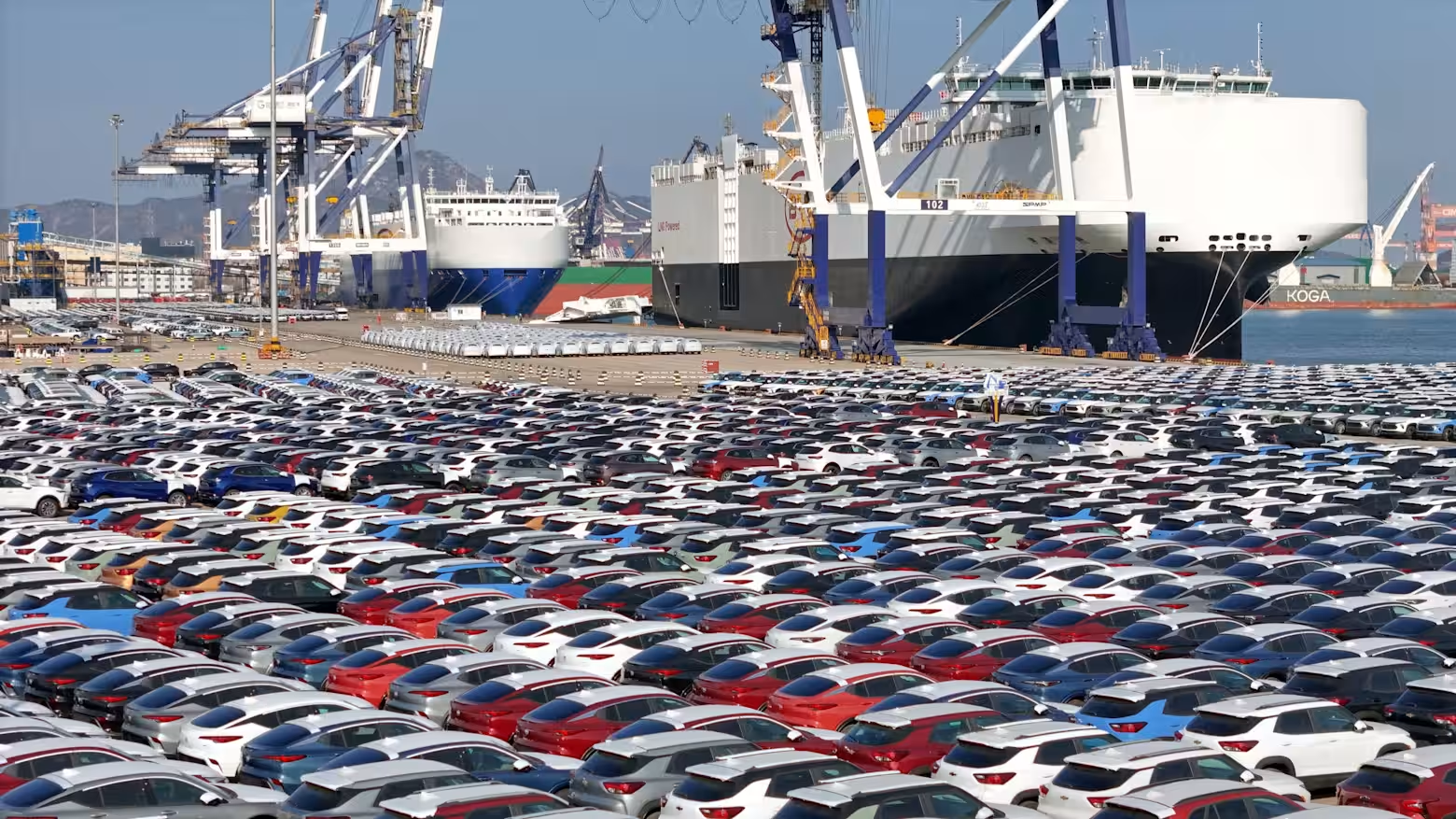
In 2025, China’s EV exports more than doubled year-on-year to exceed 2.5 million units, setting a new historical record.

IEA data showed that outside China, Europe and the United States, around 55% of EVs sold in the rest of the world were imported from China, compared with less than 5% five years ago.
Southeast Asia, Latin America and the Middle East are emerging as key overseas expansion markets for Chinese automakers.
Among them, EV sales in Southeast Asia doubled last year, with market share approaching 20%. Based on current trends, EV penetration in Southeast Asia could rise to 60% by 2035.
On the supply-chain side, China’s advantages remain significant.
In 2025, China accounted for more than 80% of global power battery cell production capacity, while its share of key raw material processing capacity was even higher.

However, the global market did not maintain uninterrupted growth in the first quarter of 2026. Due partly to policy adjustments in China and the United States, global EV sales fell 8% year-on-year during the first quarter.
Regional divergence remained pronounced. EV sales in Europe rose nearly 30% year-on-year, while sales in the Asia-Pacific region excluding China surged 80%. Latin America also recorded 75% growth.
In March alone, nearly 90 countries worldwide posted year-on-year EV sales growth, with around 30 countries setting new monthly sales records.

As battery prices continue to decline and EV costs move closer to parity with gasoline-powered vehicles — combined with consumer concerns over oil-price volatility — the global EV market remains in a long-term expansion cycle.
Even without additional subsidy policies in the future, the IEA expects the global EV parc to grow from nearly 80 million vehicles currently to 510 million vehicles by 2035.
Discover more from ChinaEVHome
Subscribe to get the latest posts sent to your email.