- Tata Motors will license Chery’s Freelander-derived platform to reboot its premium Avinya EV program, cutting development time and costs.
- The first Avinya model will launch in 2027 using CKD kits from China with local Tamil Nadu assembly and supply-chain localization underway.
- Tata’s EV leadership faces renewed pressure as it races to lift EVs from 14% to over 30% of sales by 2030.
India’s largest EV maker Tata Motors has decided to license vehicle platform technology from Chery for its premium Avinya electric vehicle program, according to sources cited by Reuters.
The move follows major changes to Tata’s original product roadmap. The Avinya lineup was initially planned to use Jaguar Land Rover’s EMA electric architecture and enter production around 2025.
However, Jaguar Land Rover suspended plans last year to localize EMA-based EV production in India, forcing Tata to revise its strategy and delaying the project.

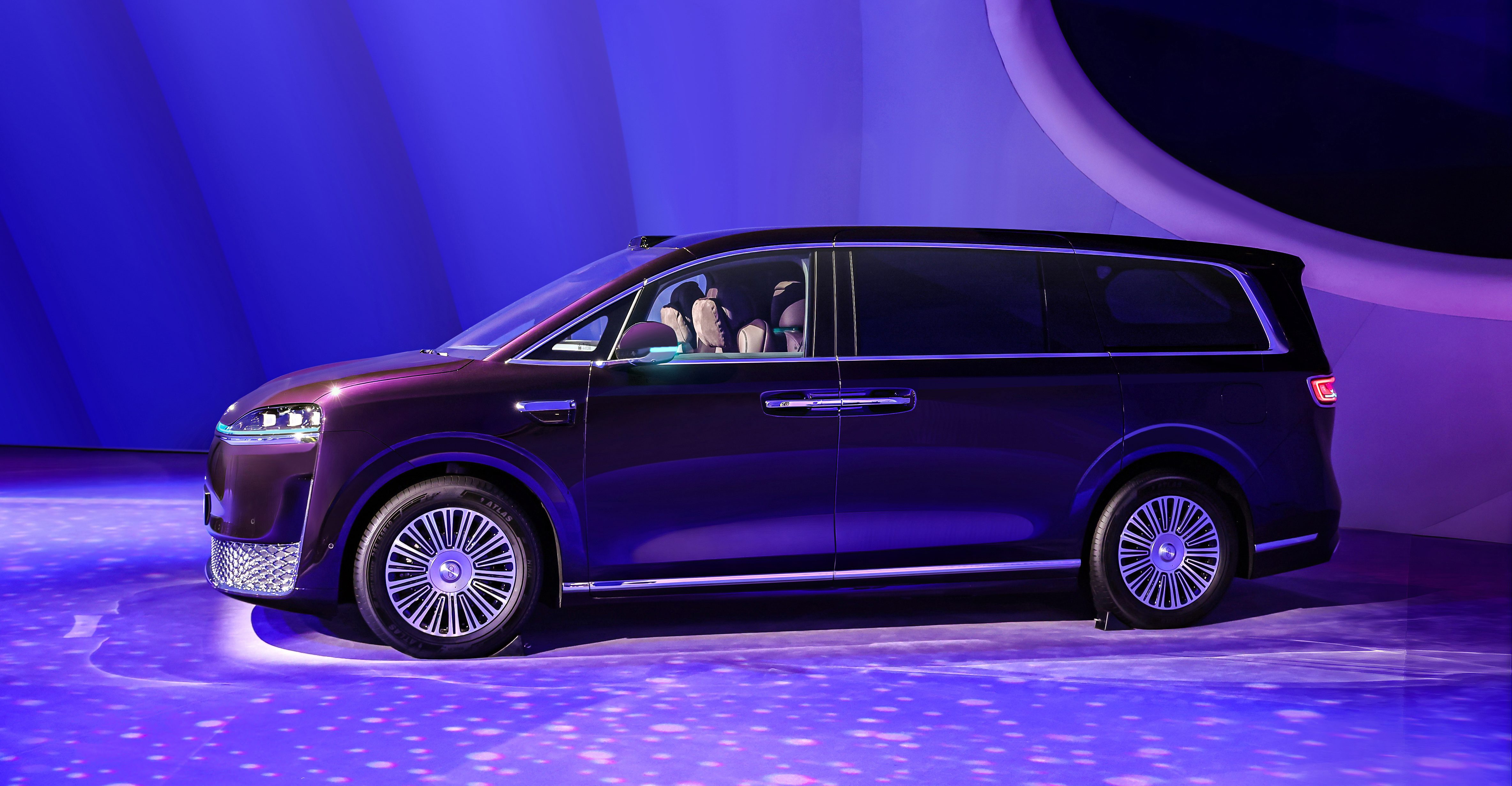
Sources said Tata will adopt technology from the Freelander platform developed through Chery’s joint venture with Jaguar Land Rover in China.
The approach is expected to shorten development timelines and reduce engineering costs.
Future Avinya models will be produced at Tata’s new factory in Tamil Nadu, southern India. The first model is scheduled to launch in 2027.
Initial production will rely on completely knocked-down (CKD) kits shipped from China for assembly in India, while development of a localized supply chain is already underway.
Under the current plan, a second model based on the platform is expected in 2029, with the possibility of expanding the lineup to four vehicles in total.

Tata remains one of the dominant players in India’s EV market, but its leadership position is facing increasing pressure as both global automakers and domestic rivals accelerate their electrification efforts.
EVs currently account for about 14% of Tata’s total vehicle sales. The company aims to raise that figure to more than 30% by 2030.
Achieving that target would be difficult through in-house development alone, given the speed of product renewal required in today’s EV market.
Despite rising investment in automotive R&D, India’s EV sector still trails China in development efficiency, supply-chain maturity, and cost competitiveness.

For Chery, the partnership represents another step in its global expansion strategy.
The automaker has already partnered with Jaguar Land Rover to revive the Freelander brand and manufacture related new-energy vehicles in China.
Beyond growing vehicle exports, Chery has increasingly expanded its presence through technology licensing, joint development programs, and localized manufacturing projects across Europe, Southeast Asia, and Latin America in recent years.
Discover more from ChinaEVHome
Subscribe to get the latest posts sent to your email.