- B-class SUV wholesale sales hit 333.5K in May, up 9% year‑on‑year and 24% of total wholesale volume.
- Tesla Model Y led B-SUVs with 54.8K units while Li Auto i6 surged 3,830% to 20.9K.
- China exported 988K vehicles in May, up 42% YoY with NEVs at a record 54% of exports.
Data released by CPCA Secretary General Cui Dongshu showed B-class SUV wholesale volume reached 333.5K units in May, accounting for 24% of total wholesale volume. Segment sales rose 9% year-on-year; retail sales remained broadly flat.
The broader market painted a different picture. Passenger vehicle retail sales fell 22% from a year earlier, significantly weaker than the 5% decline in wholesale deliveries.
Rising fuel prices continued to weigh on internal-combustion vehicle demand. New-energy vehicle penetration hit a record 62.9%, leaving gasoline-powered vehicles with just 37% market share.
At the lower end of the market, mini vehicles faced the strongest pressure. A00-class sedans saw wholesale volume plunge 45% year-on-year. Even so, leading models maintained meaningful scale. BYD Seagull topped the segment with 39.9K units; Wuling Hongguang MINI followed with 17.9K units; QQ3 reached 10.4K units.

The A0-segment sedan market proved more resilient. Wholesale volume climbed 16%; retail sales gained 14%, making it one of the few entry-level segments still expanding.
Electrification has largely displaced gasoline-powered models within this price band. Geely Xingyuan led the category with 36.4K units. BYD Dolphin delivered 22.3K units; Wuling Bingo reached 21.0K units.

SUVs remained the industry’s largest battlefield. A-class SUVs generated wholesale volume of 687.6K units, representing 49.5% of total SUV wholesale volume. Overall growth was flat, though the segment retained its dominant position.
Within that category, A0 compact SUVs delivered the strongest momentum. Wholesale volume jumped 70% year-on-year to 278.4K units; retail sales increased 7%. BYD Yuan UP led the segment with 41.4K units. Geely Binyue followed with 30.6K units; Chery JAECOO J5 reached 26.3K units.
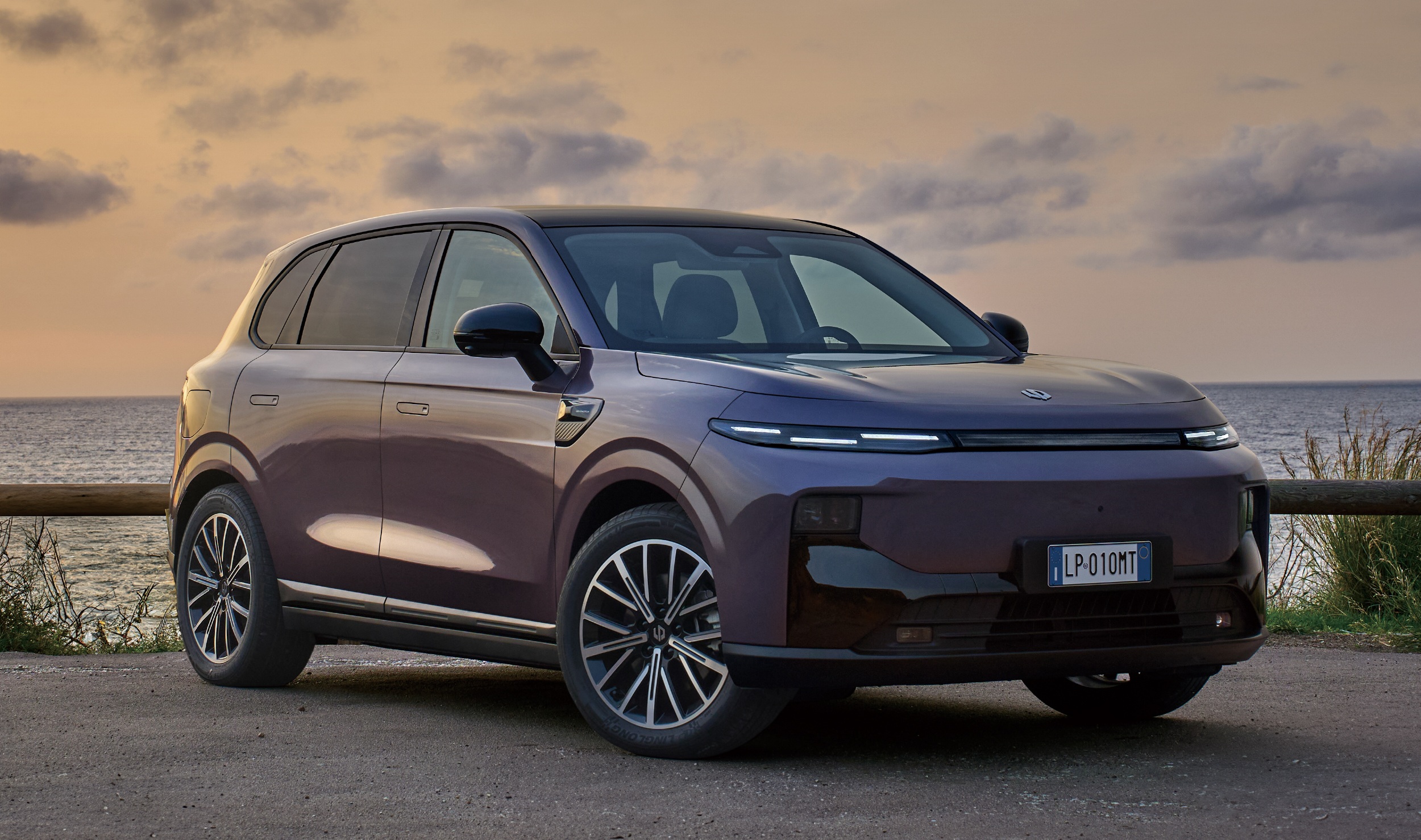
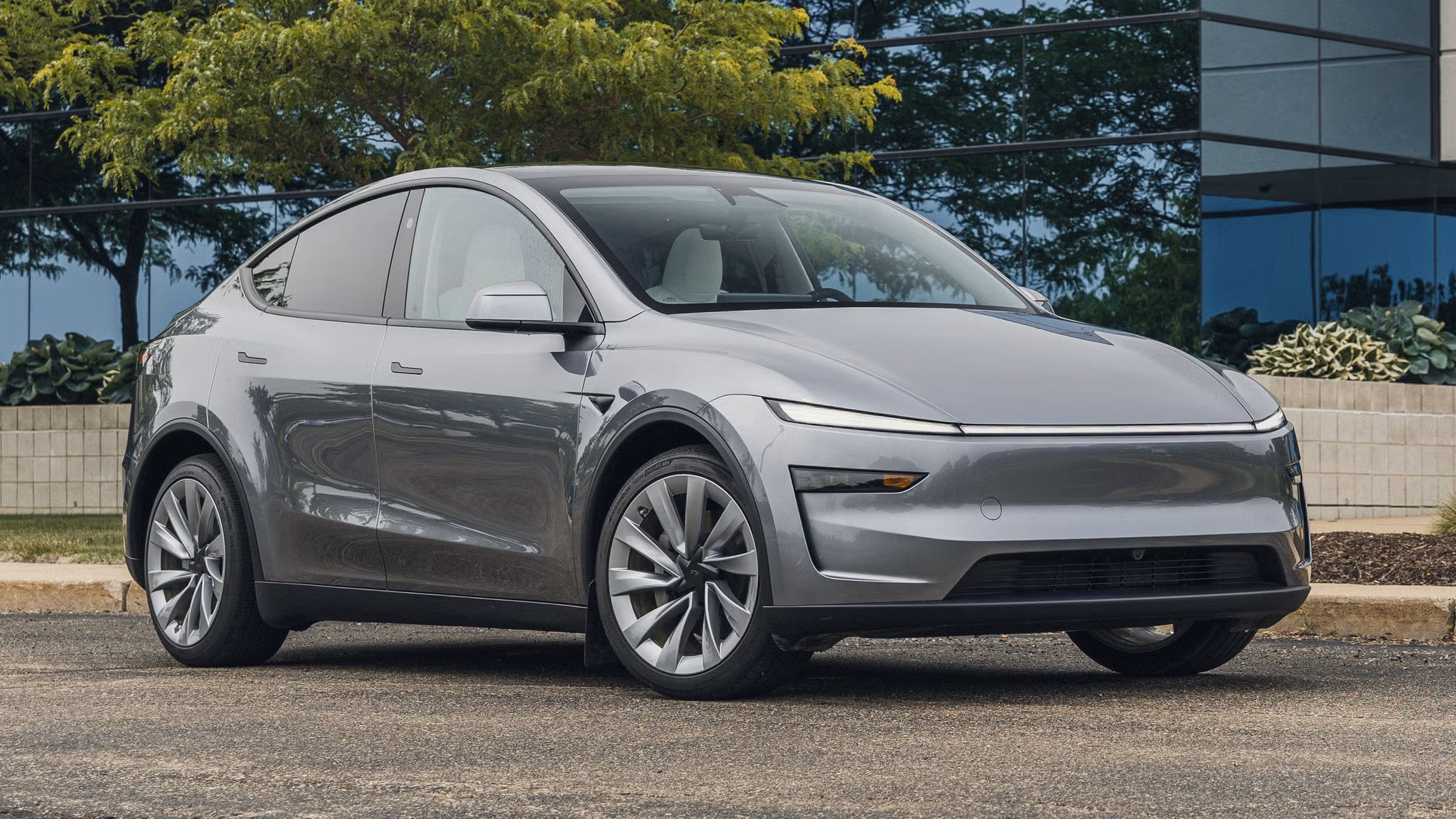
The B-class SUV market showed greater stability. Tesla Model Y remained the clear leader with 54.8K units. Li Auto’s i6 ranked second with 20.9K units. Fangchengbao Tai 7 followed with 18.3K units. Among major models, the Li i6 delivered the fastest growth. Monthly sales surged 3,830% from a year earlier, making it May’s strongest-performing B-segment SUV.

The sedan market remained divided. A-class sedans weakened sharply. Wholesale volume fell 33% year-on-year to 220.8K units; retail sales dropped 40%. Even so, the share of new-energy vehicles continued to rise.
Within the B-class sedan category, Tesla Model 3 led with 31.2K units. Xiaomi SU7 followed with 24.0K units. Traditional gasoline-powered models retained a presence. Toyota Camry sold 15.7K units; BMW 3 Series reached 11.6K units.

MPVs remained one of the market’s weakest segments. B-class MPV wholesale volume totaled 33.1K units, representing 40.95% of category sales. Retail demand slipped 1% year-on-year. C-segment MPV retail sales dropped 32%, reflecting the segment’s limited scale. GAC Trumpchi GM8 led with 7.2K units; Buick GL8 followed with 7.1K units; Denza D9 reached 6.7K units.
The latest data suggest weakening consumer spending is hitting low-cost entry segments first, while mid-range and premium new-energy vehicles continue to show stronger resilience.
Exports have become the industry’s primary growth engine. China exported 988K vehicles in May, up 42% year-on-year. New-energy vehicles accounted for a record 54% of export volume, highlighting accelerating global expansion across both electric and conventional powertrain categories.
Discover more from ChinaEVHome
Subscribe to get the latest posts sent to your email.