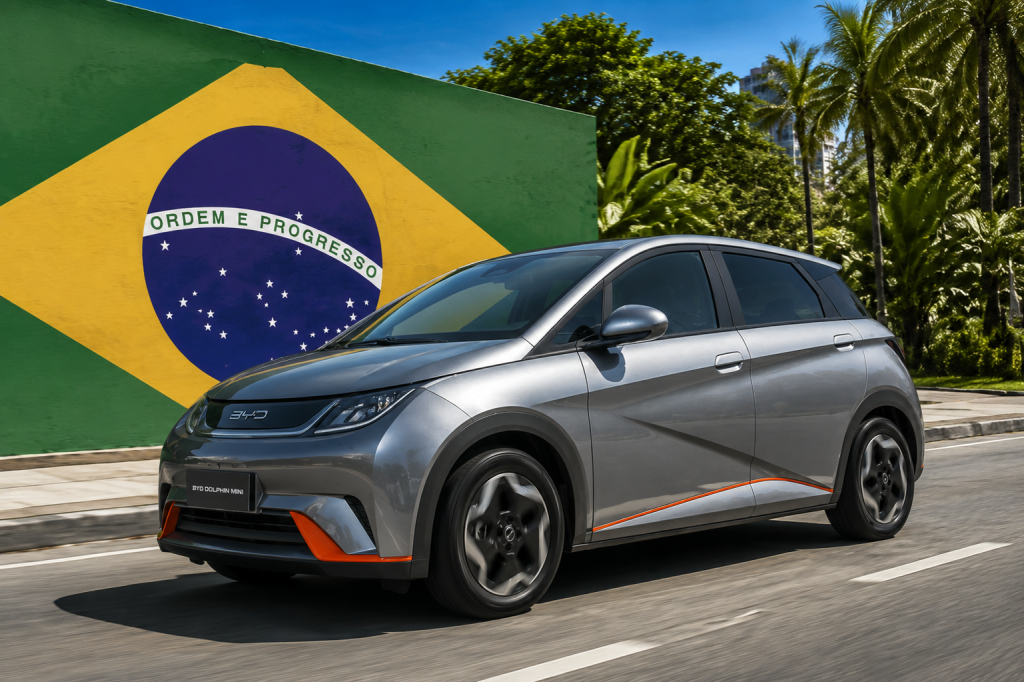
- BYD's Camaçari plant hit 100,000 EVs, underlining rapid overseas manufacturing scale-up.
- Workforce at the Brazil plant topped 5,500 as BYD pushes deeper localization in South America.
- BYD raises its overseas growth bet, lifting its 2026 target and eyeing Canada and Europe expansions.
BYD’s Camaçari plant in Brazil rolled out its 100Kth new energy vehicle on July 16 local time, marking a new stage in the Chinese automaker’s overseas manufacturing expansion.
The milestone vehicle was a BYD Seagull, known as Dolphin Mini in the Brazilian market, also the first model produced at the facility.

At the same time, the plant’s workforce surpassed 5.5K employees, highlighting BYD’s deeper localization push in South America.
Located in Bahia state, northeastern Brazil, the Camaçari plant began production in July 2025. BYD previously announced an investment of around BRL 5.5 billion ($1 billion) to build the complex, covering vehicle assembly, battery production, and supply chain support.
The first phase of the facility is designed for an annual production capacity of 150K new energy vehicles.

For BYD, the 100Kth vehicle rollout in Brazil reflects the company’s accelerating global manufacturing expansion. As competition intensifies in China’s new energy vehicle market, BYD has stepped up overseas growth. The company recently raised its 2026 overseas sales target from 1.3M units to 1.5M units.
BYD sold around 790K passenger vehicles overseas in the first half of this year, up more than 70% year on year. In June, overseas new energy passenger vehicle sales reached 175K units, accounting for more than 40% of monthly passenger vehicle sales.
Europe remained a key growth driver. In June, BYD registered 6,259 vehicles in Germany, up 273.7% year on year; 6,258 units in the UK, up 26.5%. Sales in Spain and Italy jumped 102.4% and 208.7%, respectively.

Beyond Europe, BYD is also seeing new opportunities in North America after years of limited access caused by tariff barriers.
In January, Canada reached a new electric vehicle trade arrangement with China, cutting tariffs on China-made EVs to 6.1% while setting an annual low-tariff import quota. Last month, Canadian Industry Minister Mélanie Joly visited China, toured BYD facilities, and met with company executives to explore potential investment opportunities.
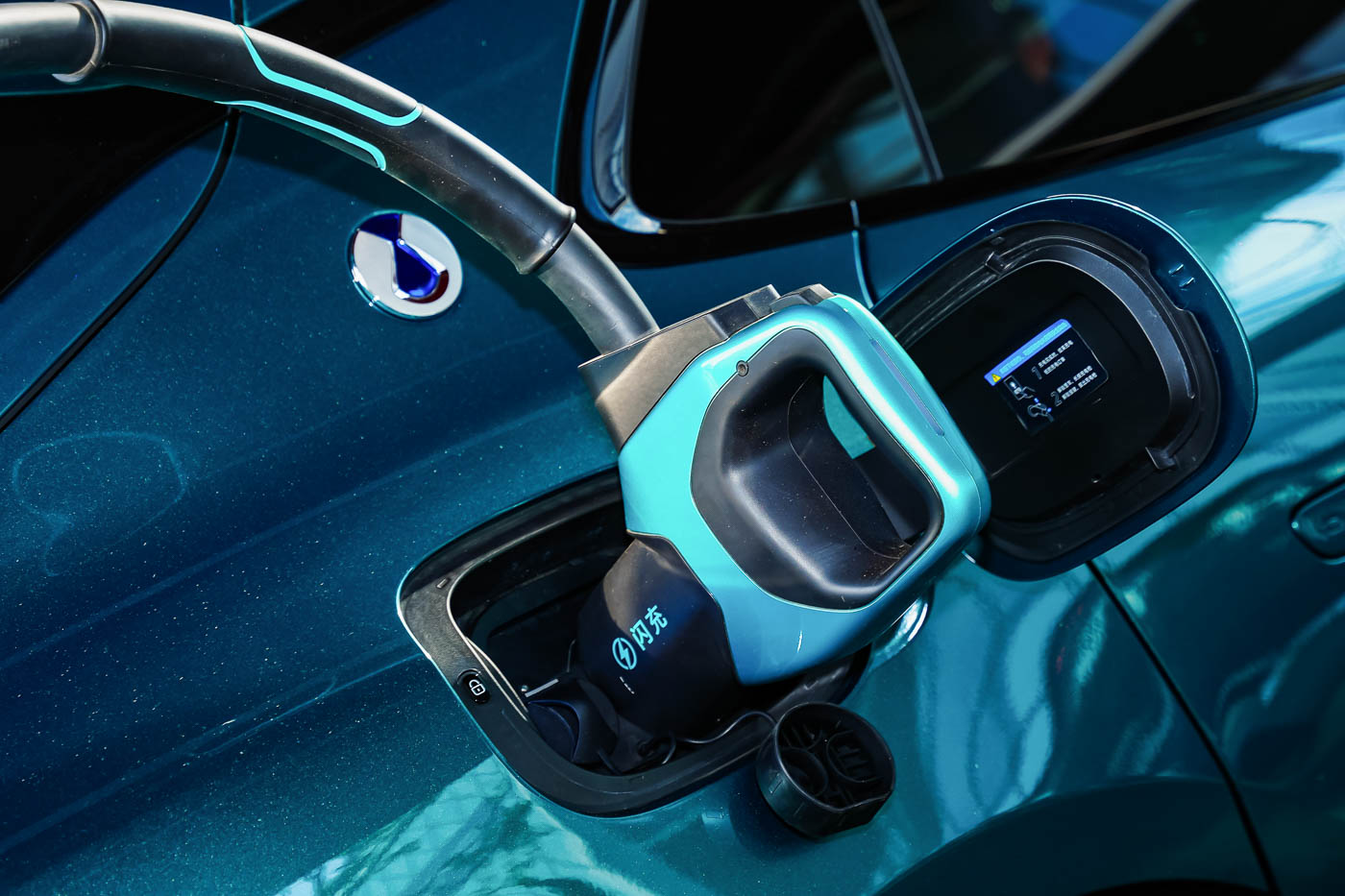
Following the policy shift, BYD has accelerated preparations for the Canadian market. The company has recently recruited staff across sales, marketing, after-sales service, and charging operations, while reports suggested it plans to introduce its megawatt flash charging network locally.
Alongside market expansion, BYD is also speeding up overseas production deployment. In Europe, BYD’s Hungary plant is expected to begin production in the fourth quarter of 2026. The company is also evaluating locations for a second European factory, with Spain and France among candidates.

In Brazil, BYD continues to expand local investment. In June, the company said it plans to raise the local component ratio of Brazil-made vehicles to 50% by early 2027, while exploring battery production and energy storage system deployment.
Discover more from ChinaEVHome
Subscribe to get the latest posts sent to your email.