- BYD is shifting growth overseas, citing China market intensity and transport constraints, expanding production, shipping and charging infrastructure to sustain export-led expansion ambitions.
- Overseas volumes reached 1,157,954 units Jan–Aug 2026 (up >85% YoY) with August deliveries at 188,746; BYD targets 1.9–2.0M overseas sales in 2026 and >2.5M in 2027.
- Targets Europe, Southeast America manufacturing and charging rivals, but risks include shipping bottlenecks, Blade Battery shortages until Q1 2027, early-stage local utilization and margin pressure.
BYD expects overseas vehicle sales to reach 1.9M–2M units in 2026, with a further target of surpassing 2.5M units in 2027. The company’s management team disclosed the outlook during a recent investor call.
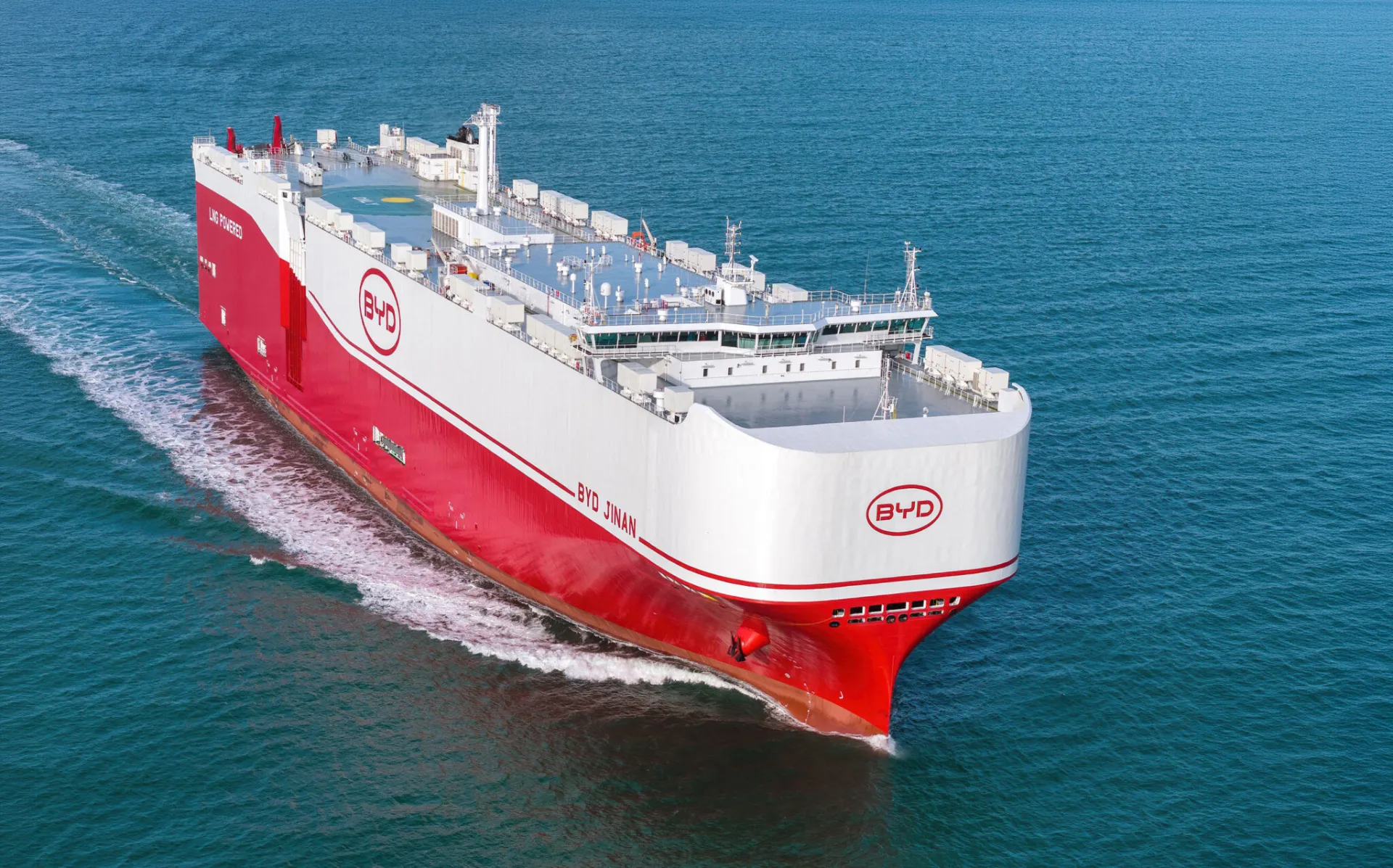
To support its next phase of global expansion, BYD is increasing overseas production capacity, expanding shipping resources, and rolling out its megawatt charging network.
Overseas markets have become a key growth driver for BYD’s sales.

From January to August 2026, BYD’s overseas passenger vehicle and pickup truck sales reached 1,157,954 units, up more than 85% YoY. Overseas deliveries hit a record 188,746 units in August, rising 134.6% YoY.
As competition intensifies in China’s new energy vehicle market, BYD is shifting more growth opportunities overseas. The company said overseas sales growth is currently constrained by transportation capacity, adding that more shipping resources could unlock further export potential.
BYD is accelerating its global localization strategy to support long-term growth.
Its Indonesia plant has started production, while its Brazil plant is ramping up capacity with an annual production target of 300K units. In Europe, the Hungary plant is expected to begin assembly operations between November and December this year. BYD is also evaluating additional overseas production sites to expand its local manufacturing network.

For overseas profitability, BYD said vehicle profit averaged around RMB 20K ($3.0K) per unit in the first half of the year. Despite foreign exchange fluctuations, the company expects profitability to remain stable. While early-stage local production may face pressure from lower capacity utilization, it is expected to become more cost competitive than vehicle exports after one to two years of stable operations.
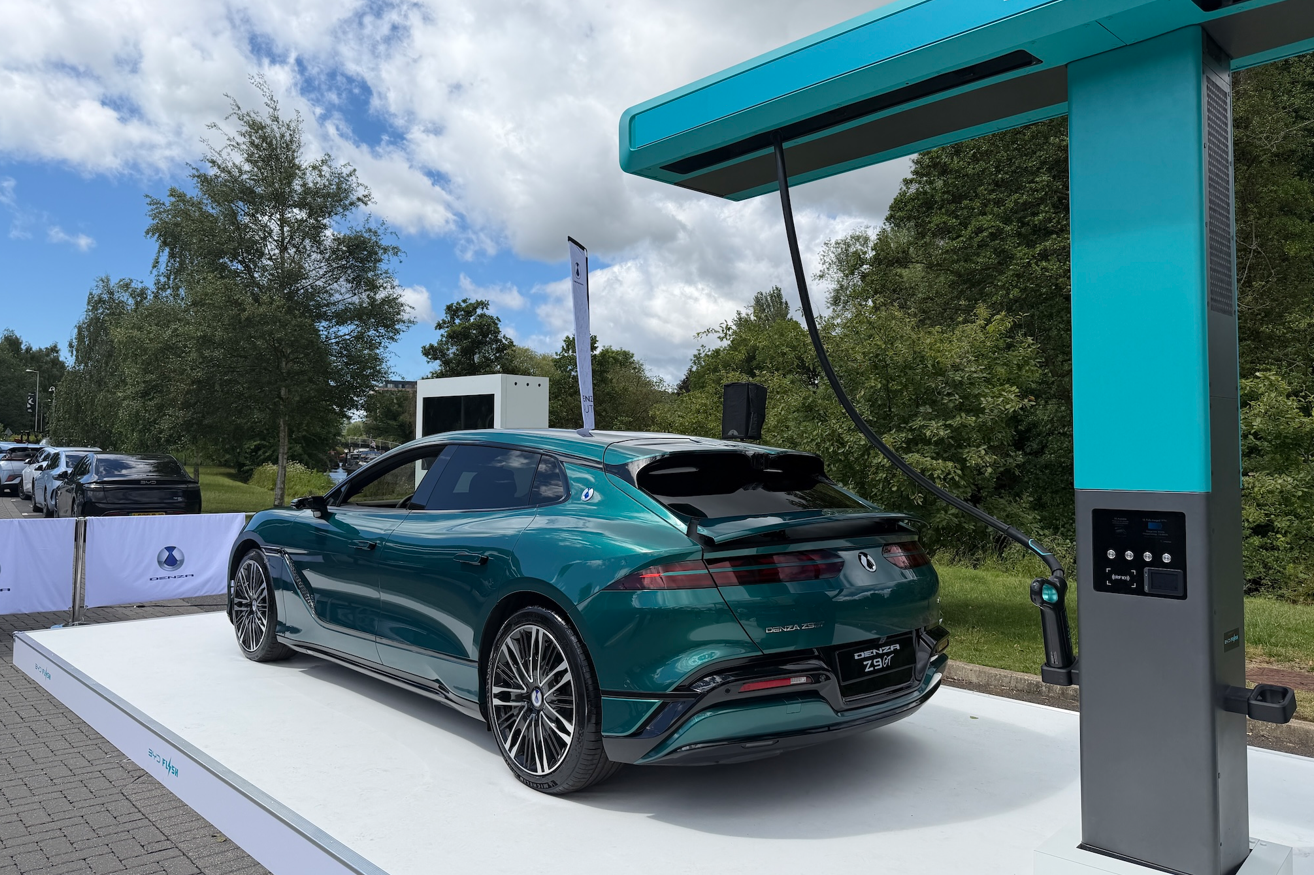
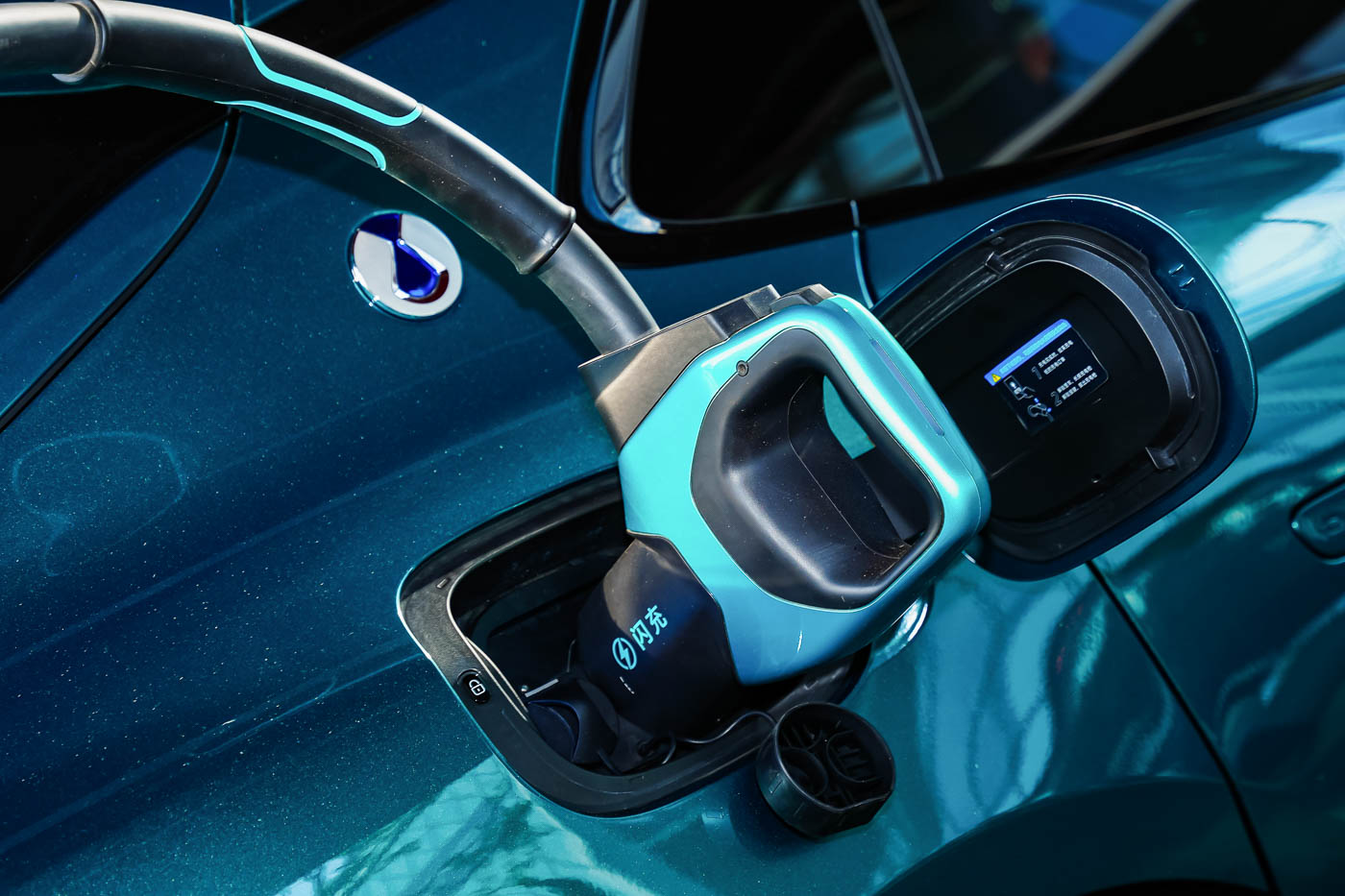
Beyond manufacturing expansion, BYD is using megawatt charging technology to develop its own charging ecosystem.
Management reiterated its goal of building 20K megawatt charging stations in China by the end of 2026. The company plans to add 30K stations in 2027 and another 40K in 2028, bringing the total network to 90K stations.

Overseas, BYD plans to leverage Shell’s global network to expand its charging footprint, with a near-term target of 6K stations. The company has already entered markets including Germany and the UK.
As of August 28, BYD had deployed 10K megawatt charging stations across 332 Chinese cities.
However, battery supply remains a short-term bottleneck for vehicle deliveries. Models supporting flash charging currently face an order backlog of around 250K units. BYD expects shortages of its second-generation Blade Battery capacity to be fully resolved in Q1 2027.
Intelligent driving is another major investment area for BYD. The company expects its in-house autonomous driving capabilities to see significant improvements in 2027 while preparing for the rollout of China’s L3 autonomous driving regulations.

At the same time, BYD will maintain an open supply chain strategy and allow external suppliers to compete. Leveraging its vehicle scale, accumulated user data, and vertically integrated hardware capabilities, the company aims to further strengthen its technology advantage.
In energy storage, BYD expects shipments to reach 60–70 GWh in 2026, representing YoY growth of around 40%–50%.
Discover more from ChinaEVHome
Subscribe to get the latest posts sent to your email.