- Geely creates a group-level sales company to centralize marketing, channels, and customer-service resources.
- Lin Jie named general manager of the new sales arm while brands keep independent market positioning.
- Geely targets 30,000 monthly i‑HEV sales, mass production methanol hybrids, and continued NEV export growth.
On Aug. 2, Yang Xueliang, senior vice president of Geely Holding Group, announced that Geely Auto Group has officially established a group-level sales company to further strengthen coordination among its brand marketing resources.
The move represents another implementation of Geely’s “One Geely” strategy in its sales system following more than a year of internal brand and organizational consolidation.
The newly established sales company is positioned as a group-level organizational platform, with six first-tier business units under its structure, including China Star Sales Company, Galaxy Sales Company, Lynk & Co Sales Company, and Zeekr Sales Company.
The new structure will adopt a model of “front-end operations closer to users, with shared middle and back-end resources.”
Individual brands will continue to operate independently and target different market segments and customer groups, while the sales company will coordinate shared resources across marketing, sales channels, and customer services to improve overall operational efficiency.
At the same time, Geely announced a new round of management appointments.

Lin Jie will continue serving as senior vice president overseeing marketing at Geely Auto Group, while also taking the roles of general manager of the sales company and general manager of Zeekr Sales Company.
Fan Junyi was appointed executive deputy general manager of the sales company, while also serving as general manager of Lynk & Co Sales Company and overseeing Galaxy Sales Company.
Wang Bo was appointed general manager of China Star Sales Company, and Guan Jiuyang became executive deputy general manager of Galaxy Sales Company.
The organizational adjustment continues Geely’s broader internal restructuring efforts in recent years.
Since 2025, Geely has completed a series of moves, including the integration of Galaxy and Geometry brands, the strategic repositioning of Zeekr and Lynk & Co, and Zeekr’s integration into Geely’s main listed entity, gradually concentrating resources under a unified platform.

At the China Automotive Chongqing Forum held in June this year, Geely Holding Chairman Li Shufu said the group would orderly shut down, merge, or restructure redundant entities, focusing resources on strengthening core listed platforms.
The goal is to further improve corporate governance structures and move the “One Geely” strategy from strategic planning toward systematic operations.
Alongside organizational restructuring, Geely also outlined its key priorities for the second half of the year.
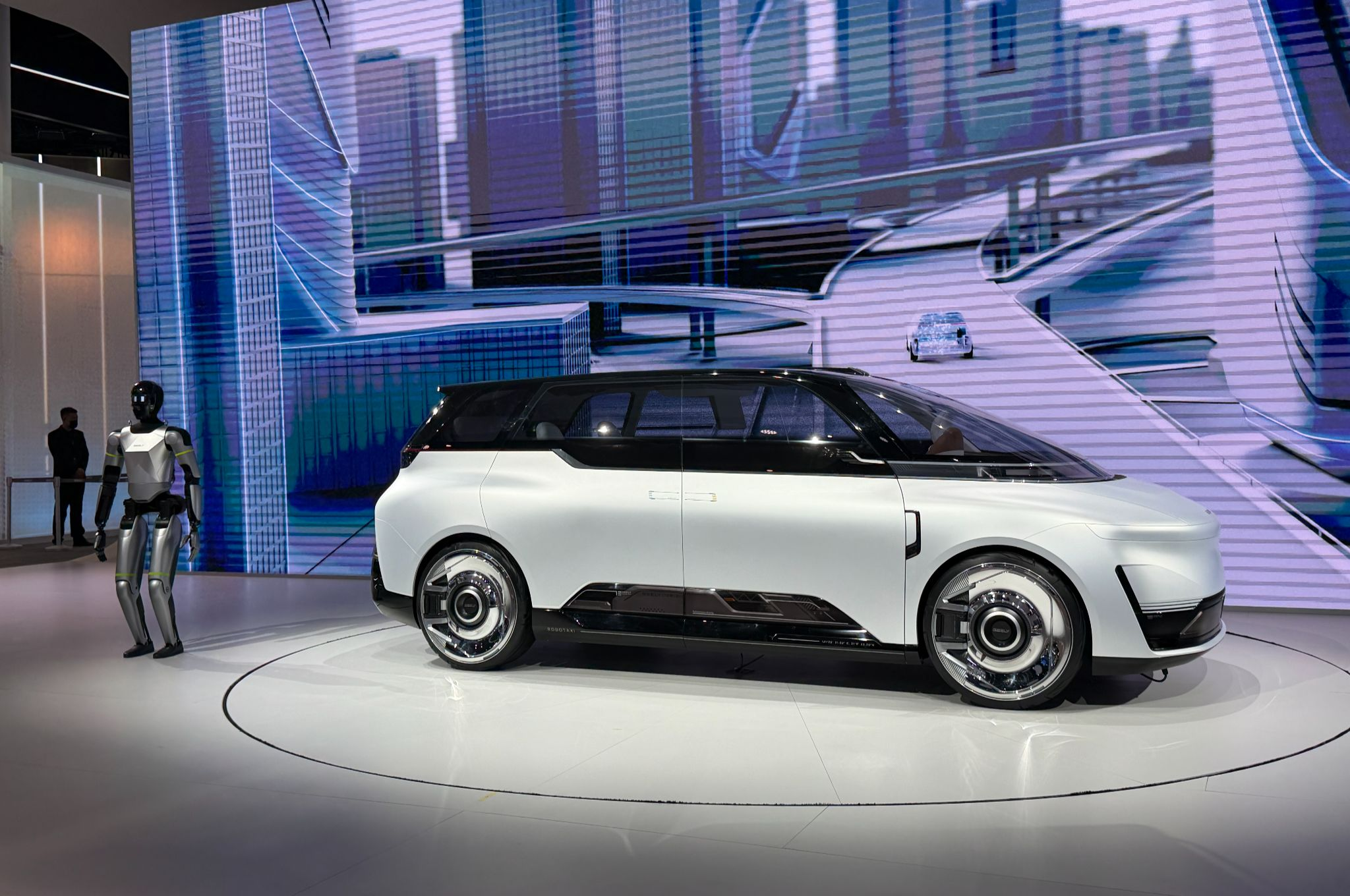
In technology development, the company will focus on artificial intelligence-driven research and establish the 2030 Laboratory, covering frontier technologies including acoustics, optics, digital chassis, power semiconductors, large AI models, intelligent agents, and embodied intelligence.
These efforts are aimed at building core capabilities for future product development.
At the product level, Geely will continue advancing hybridization of its internal combustion engine vehicle lineup through HEV technologies.
The company plans to achieve monthly sales of more than 30,000 i-HEV models by the end of the year and complete its “one million China Star vehicles” sales target.
Meanwhile, Geely’s next-generation methanol hybrid technology will enter mass production. The system supports flexible refueling with methanol and gasoline in any proportion.
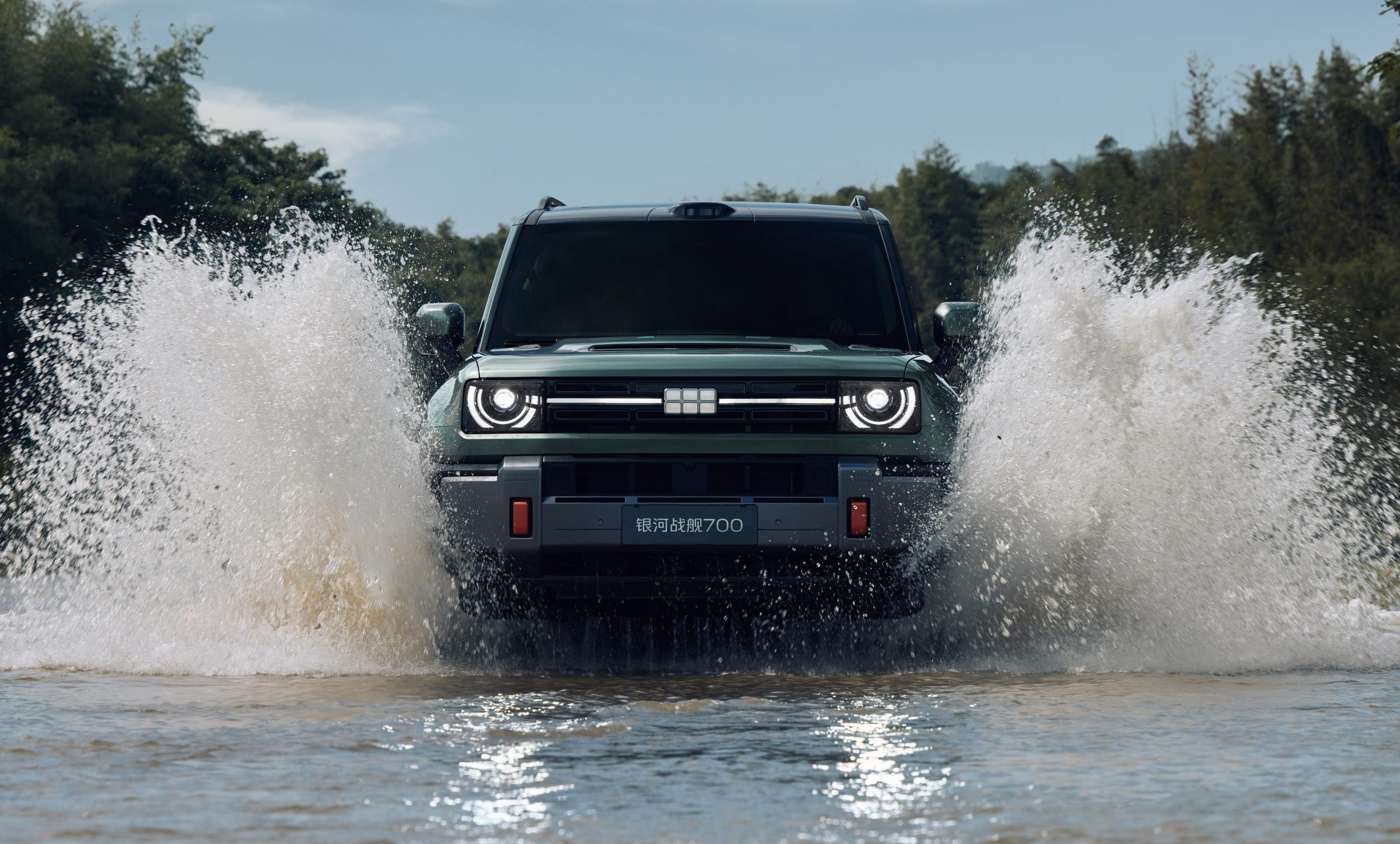
The Galaxy Xingyao 6 EF and Galaxy Starship 7 EF models are expected to launch within the year.

In terms of sales performance, Geely has maintained growth momentum.
Data showed that Geely Auto sold more than 250,000 vehicles in July, including 160,000 new energy vehicles, accounting for 64% of total sales.
Overseas exports reached 107,000 units, exceeding 100,000 units for the second consecutive month. New energy vehicle exports approached 63,000 units, up 616% year on year.
The latest sales restructuring indicates that Geely aims to preserve differentiated brand positioning while improving operational efficiency through shared channel, marketing, and service resources, providing a unified foundation for future expansion in new energy vehicles and overseas markets.
Discover more from ChinaEVHome
Subscribe to get the latest posts sent to your email.