- NIO to mass-deploy fifth-generation swap stations starting in September, targeting 8,000–10,000 stations by 2030.
- Firefly to get larger batteries, LiDAR-enabled models, and Shenji-powered AD features as swap-compatible upgrades by 2026–2027.
- NIO’s cylindrical cells to enter mass production within 1–2 years, enabling cross-generation battery swaps for older models.
On August 2, NIO reached a strategic cooperation agreement with Miyun Culture and Tourism, integrating scenic area benefits, hotel resources and other tourism assets to create a “vehicle plus tourism” consumption ecosystem for users of NIO, ONVO and firefly brands.
During a face-to-face exchange session with users after the event, NIO President Qin Lihong disclosed the company’s latest plans for battery swap infrastructure, product roadmap, battery technology and retail expansion.

Battery swap network expansion became the focus of the discussion.
Qin revealed that NIO’s first fifth-generation battery swap station designed for regular users will be deployed in Quanzhou, Fujian province, with details expected to be announced soon. The launch will mark the start of large-scale deployment for the fifth-generation swap network.
NIO plans to ramp up fifth-generation swap station production in August. Starting in September, most newly added swap stations will adopt the fifth-generation architecture.

The company aims to add more than 100 new stations per month initially, increasing the pace to around 150 stations monthly by year-end. In 2026, NIO expects to add more than 400 swap stations nationwide.
Over the longer term, NIO plans to add at least 1,000 swap stations annually, targeting 8,000 stations by 2030. If construction accelerates, the company could eventually expand the network to 10,000 stations.
As of now, NIO has deployed 9,149 battery swap and charging facilities across China, including 3,994 swap stations, 5,155 charging stations and 29,781 charging piles. The company has completed more than 110 million battery swap services.
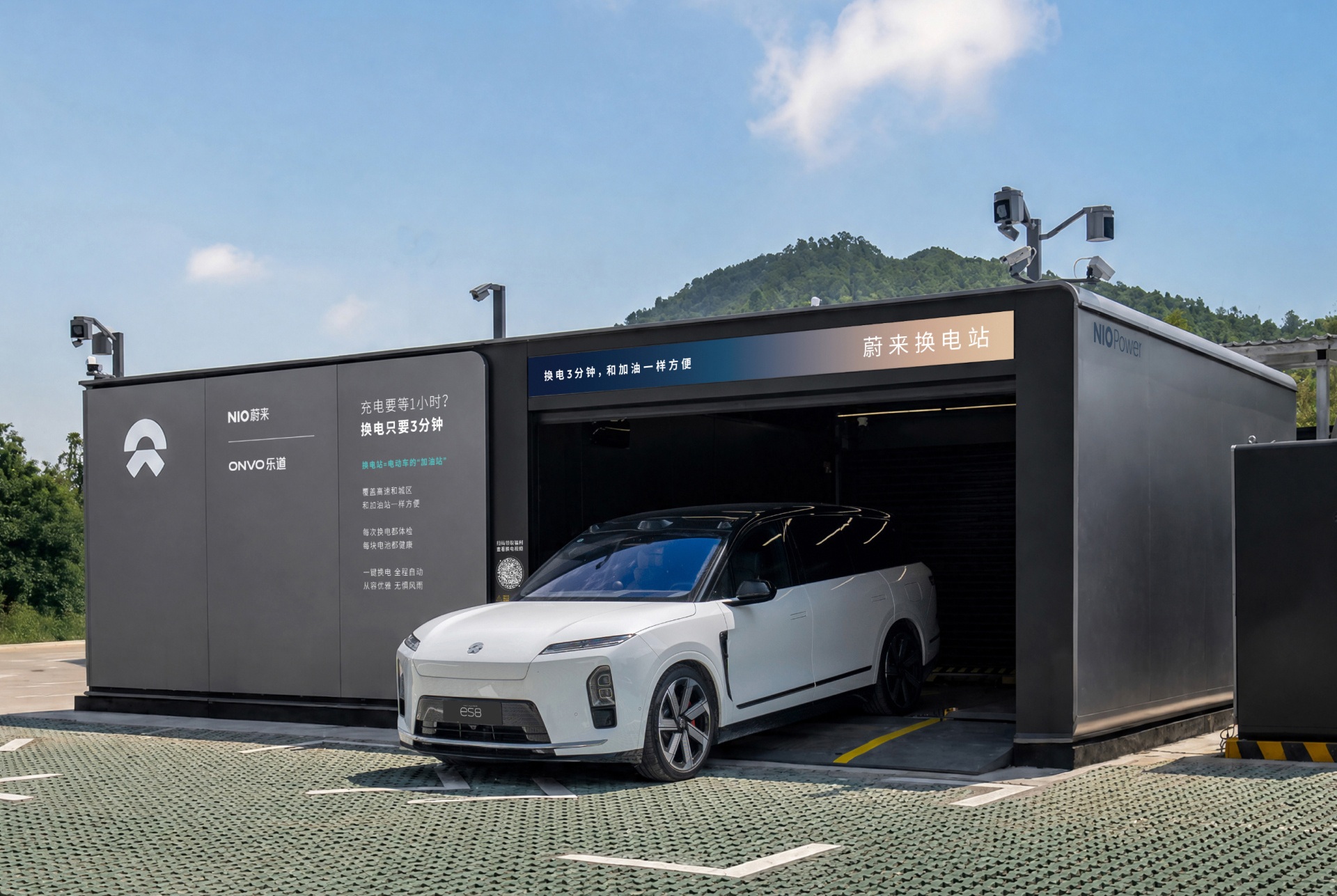
The biggest upgrade of the fifth-generation swap station lies in improved compatibility. The fifth-generation station represents a major overhaul of NIO’s swap architecture. It adopts a redesigned underlying structure, allowing support for more vehicle wheelbases.

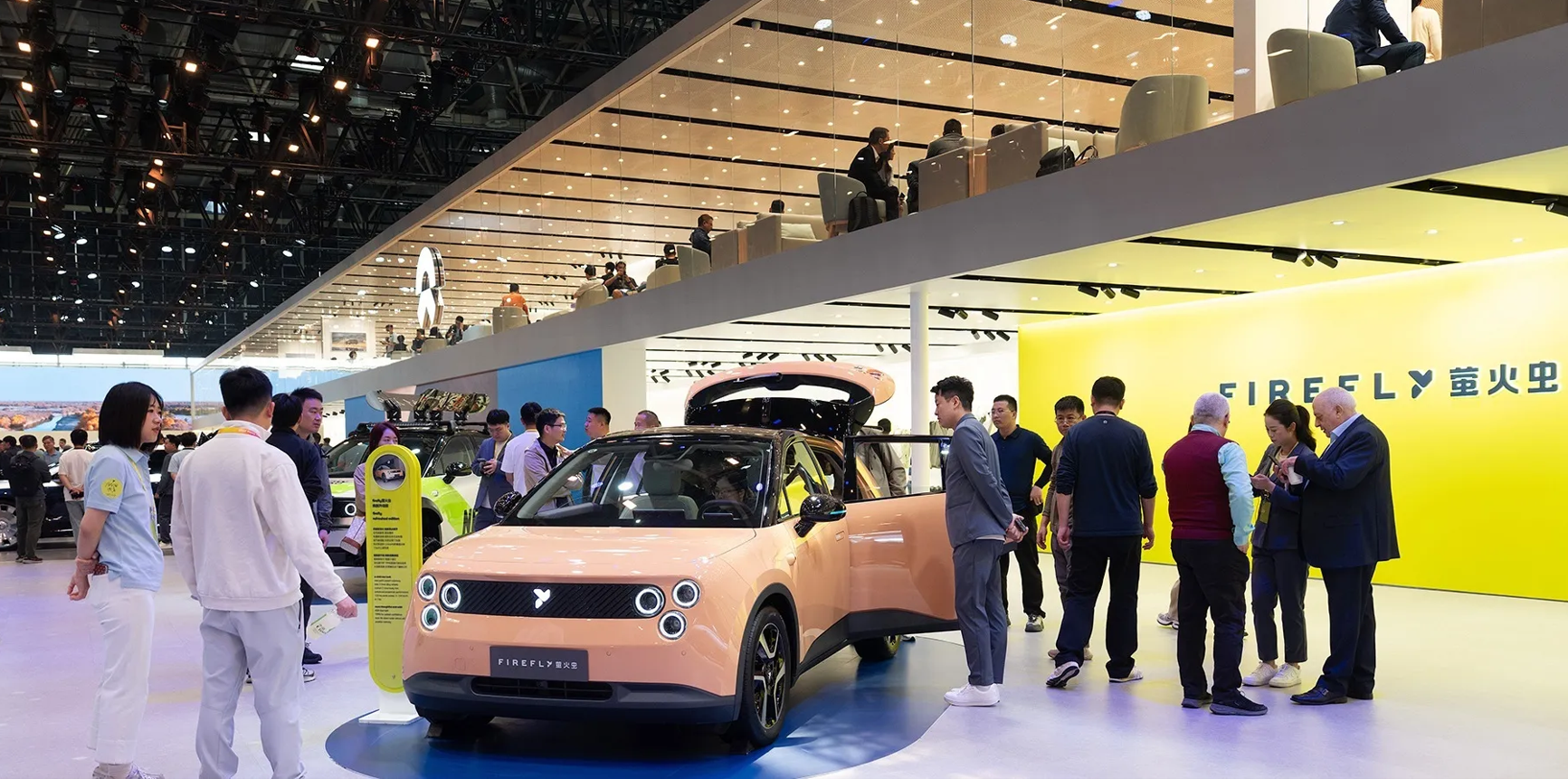
Previously, Firefly vehicles could not use NIO’s existing swap stations due to their shorter wheelbase. With the fifth-generation system, NIO aims to connect its three brands under one shared battery swap network.
Compared with previous generations, the fifth-generation station increases battery storage capacity to 23 packs. Swap time is cut to as fast as 1 minute 48 seconds, while daily service capacity approaches 500 swaps. The station also integrates 500kW fast-charging capability.
For existing swap stations, Qin said first-generation and second-generation facilities will not undergo large-scale upgrades. The reason is that modification costs are close to building new fifth-generation stations, while mechanical limitations mean upgraded stations still cannot support firefly’s smaller battery packs.

In Beijing, NIO currently operates 164 swap stations and plans to exceed 200 by year-end. Around half of the 40 new stations planned for this year will adopt the fifth-generation design.
Beyond infrastructure, firefly is also preparing product upgrades. Qin said the next-generation Firefly model is under development with more intelligent features, including a LiDAR-equipped version and an advanced driving system powered by NIO’s self-developed Shenji intelligent driving chip. A Firefly convertible model is also under development planning.
firefly delivered 5,771 units in July, up 143.9% year over year, outperforming premium electric compact models such as BMW MINI and smart #1. The brand aims to further strengthen its competitiveness through intelligence upgrades.
Battery upgrades are also moving forward. firefly’s high-capacity battery pack has officially entered development, with a launch expected as early as the end of 2026 or around the 2027 Lunar New Year period.
The new battery pack will significantly extend firefly’s driving range, while the vehicle price will rise above the current standard version. The larger battery pack will rely on fifth-generation swap stations for energy replenishment, meaning firefly’s product upgrade timeline will remain closely linked to NIO’s swap network rollout.

NIO’s self-developed cylindrical cell technology has also made progress. Qin said mass production of the cylindrical cell is expected within the next one to two years, with further improvements in energy density. Because NIO’s swap ecosystem uses standardized battery pack designs, the next-generation cylindrical cell can fit existing battery architectures without requiring chassis changes.
This means even owners of the first-generation ES8 launched eight years ago could potentially upgrade to newer battery technology through battery swaps in the future.
Qin said NIO’s cross-generation battery compatibility remains rare across the global automotive industry.

On the retail side, NIO is accelerating the rollout of combined stores covering all three brands. Qin said the company plans around 170 SKY stores, with roughly 100 expected to open by the end of 2026. SKY stores will display models from NIO, ONVO and firefly under one roof.
Compared with traditional single-brand stores, the model can lower operating costs while improving channel efficiency. The strategy will become a key channel for NIO’s expansion into lower-tier cities, while supporting growth for ONVO and firefly as more mass-market brands.
Discover more from ChinaEVHome
Subscribe to get the latest posts sent to your email.