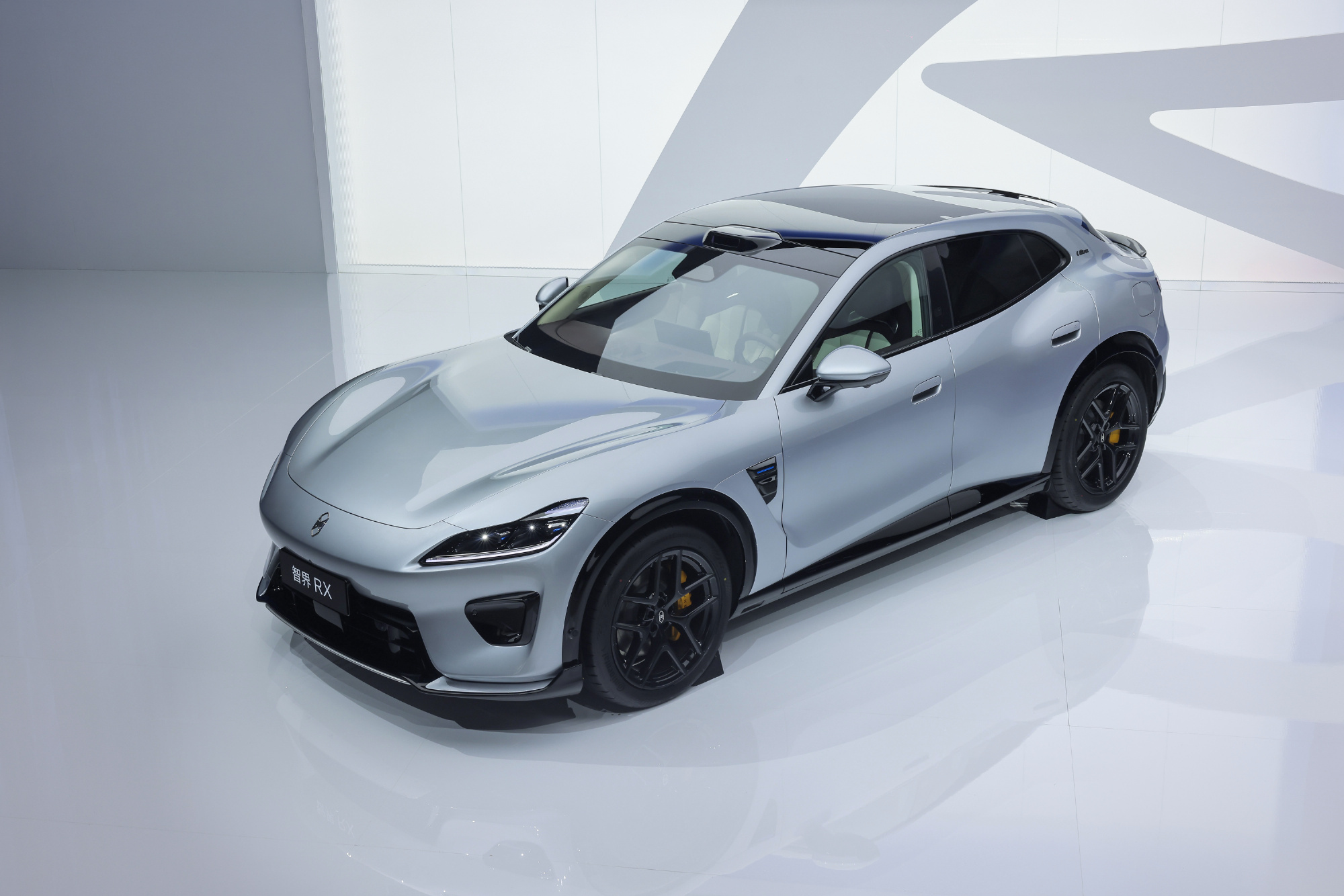
- Huawei-backed HIMA hits 1.5 million deliveries in 53 months, proving scale but diluting Huawei's halo.
- AITO still fuels half of HIMA's volume, but aging models and competitor pressure sank AITO July sales 55%.
- SAIC's rapid rise and overlapping pricing now risks internal cannibalization across HIMA's five-brand lineup.
On Aug. 20, HIMA (Harmony Intelligent Mobility Alliance) announced that cumulative deliveries across its lineup had surpassed 1.5 million units, achieved in 53 months.
HIMA is an alliance led by Huawei, partnering with five automakers — Seres, Chery, BAIC, JAC and SAIC Motor — to build five brands: AITO, LUXEED, STELATO, MAEXTRO and SAIC.

Latest data showed HIMA delivered 45,046 vehicles in July 2026. January-July cumulative deliveries reached 286K units, up 13.7% year on year.
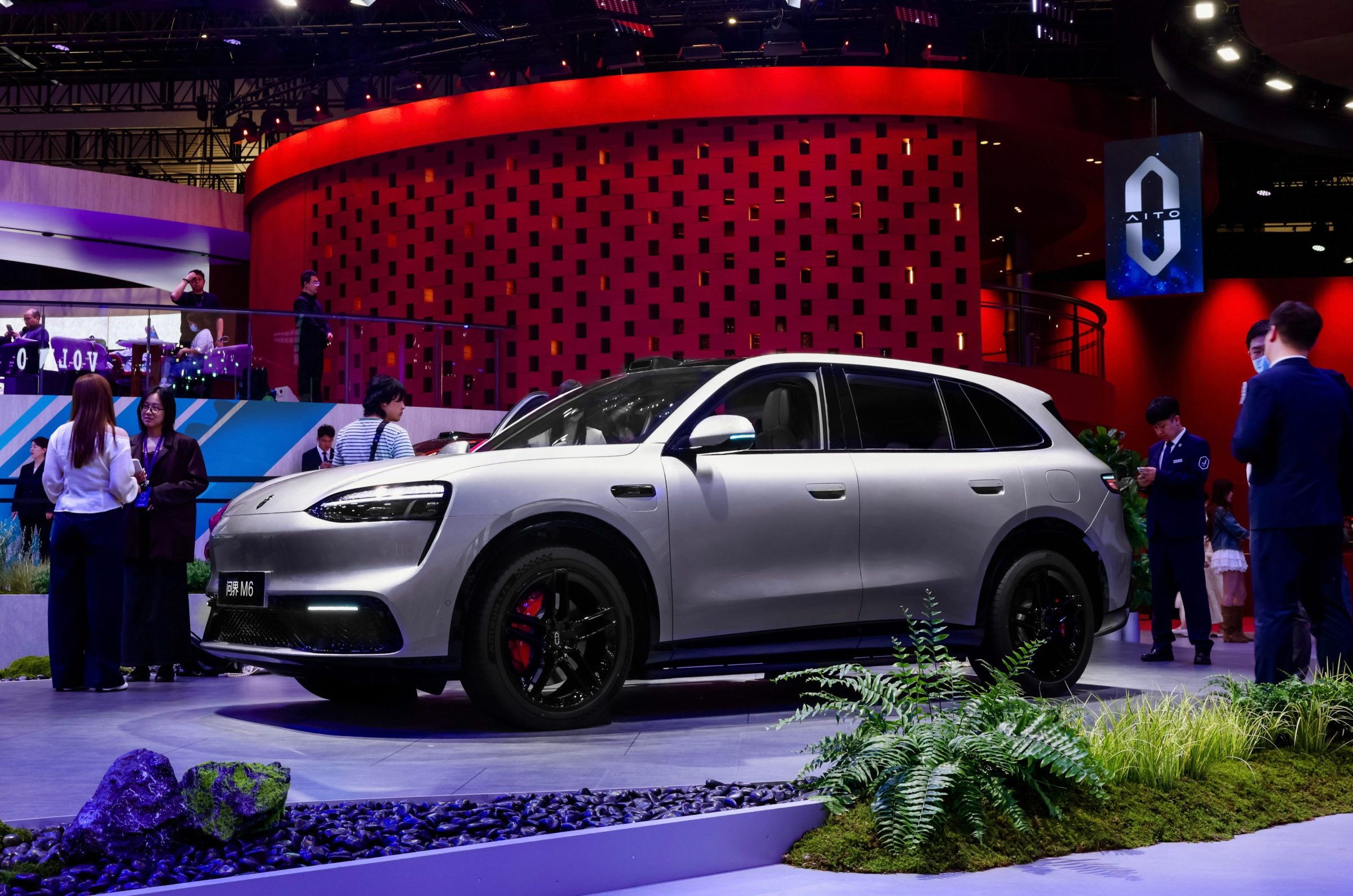
AITO delivered 22,572 vehicles in July, down 55% from 40,753 units in the same month last year. The AITO M9 remained strong with 10,089 units, holding its position in the large luxury SUV segment. Other models cooled: the M6 at 5,428 units, M7 at 4,134, M8 at 2,809, while the outgoing M5 sold just 112 units.
On a cumulative basis from January to July, AITO still accounted for half of HIMA’s total volume: M7 at 72,134 units, M6 at 39,089, M9 at 36,520, and M8 at 34,199.
However, with competitors flooding the market and AITO’s own product cycle aging, HIMA remains structurally dependent on AITO. The other brands have yet to produce a single pillar capable of fully taking over.

SAIC, HIMA’s newest brand, has become the most notable new variable this year.
SAIC retail sales surpassed 10K units in July, reaching 11,017 vehicles (Z7 at 6,225, Z7T at 2,917, H5 at 1,875). Cumulative January-July sales: H5 at 20,533 units, Z7 at 13,849, Z7T at 8,181.
SAIC’s rapid growth is driven by the Z7 and Z7T, which compete directly with Xiaomi SU7 in the 200K RMB-class electric sport sedan and shooting-brake segments, while the H5 further lowers the entry price.
But expansion brings internal friction — SAIC Z7’s pricing heavily overlaps with the LUXEED S7. As SAIC scales up, internal competition within HIMA appears inevitable.

Facing fierce competition in the sedan market, LUXEED is turning to MPVs for growth. The LUXEED V9, launched in July, sold 8,974 units in its first month and reached 13,341 cumulative units in three months, overtaking the LUXEED R7 (13,137 units) as the brand’s volume leader.
In the premium sedan segment above 300K RMB, STELATO has performed modestly, with July sales of 552 and 1,008 units (cumulative January-July at 6,989 and 15,615 units).
The market’s natural preference for SUVs in the premium segment, combined with entrenched German luxury ICE brands, makes scaling premium electric sedans far more difficult than SUVs.

MAEXTRO, positioned in the million-yuan class, sold just 367 units in July — but that already ranks it among the top players in the ultra-luxury segment.
From zero to 1.5 million units, Huawei has proven its ability to monetize smart technology and brand traffic. But with all five brands in place and dozens of models crowding into the same channel, Huawei’s halo is inevitably being diluted.

The 1.5 million-unit milestone is proof of system capability, but it also marks a turning point — from “single-core breakout” to “fine-grained operations.”
The real challenge for HIMA in the next phase is no longer building the next AITO M9. It is proving that this sprawling five-brand alliance can sustain itself without internal cannibalization.
Discover more from ChinaEVHome
Subscribe to get the latest posts sent to your email.