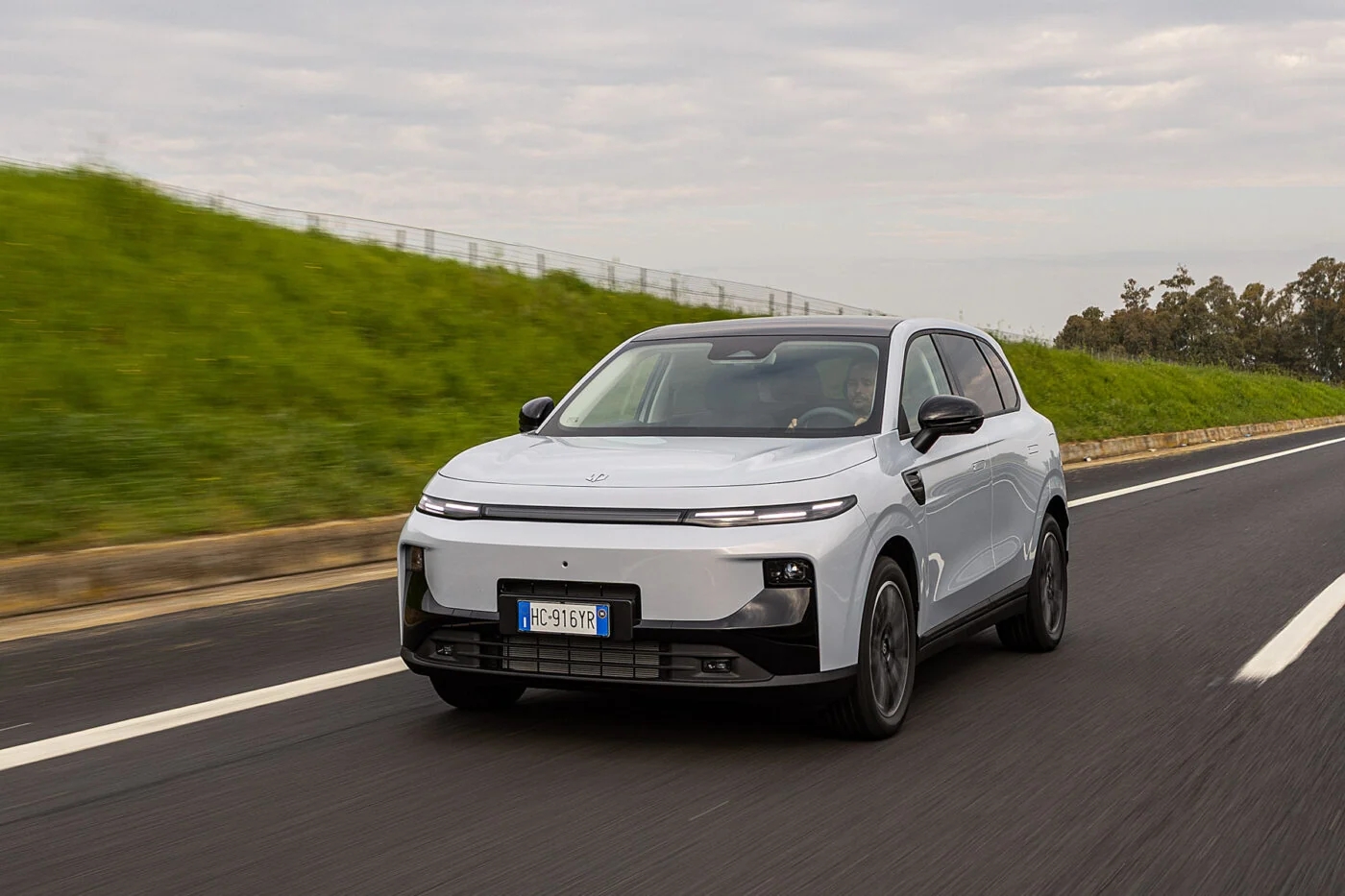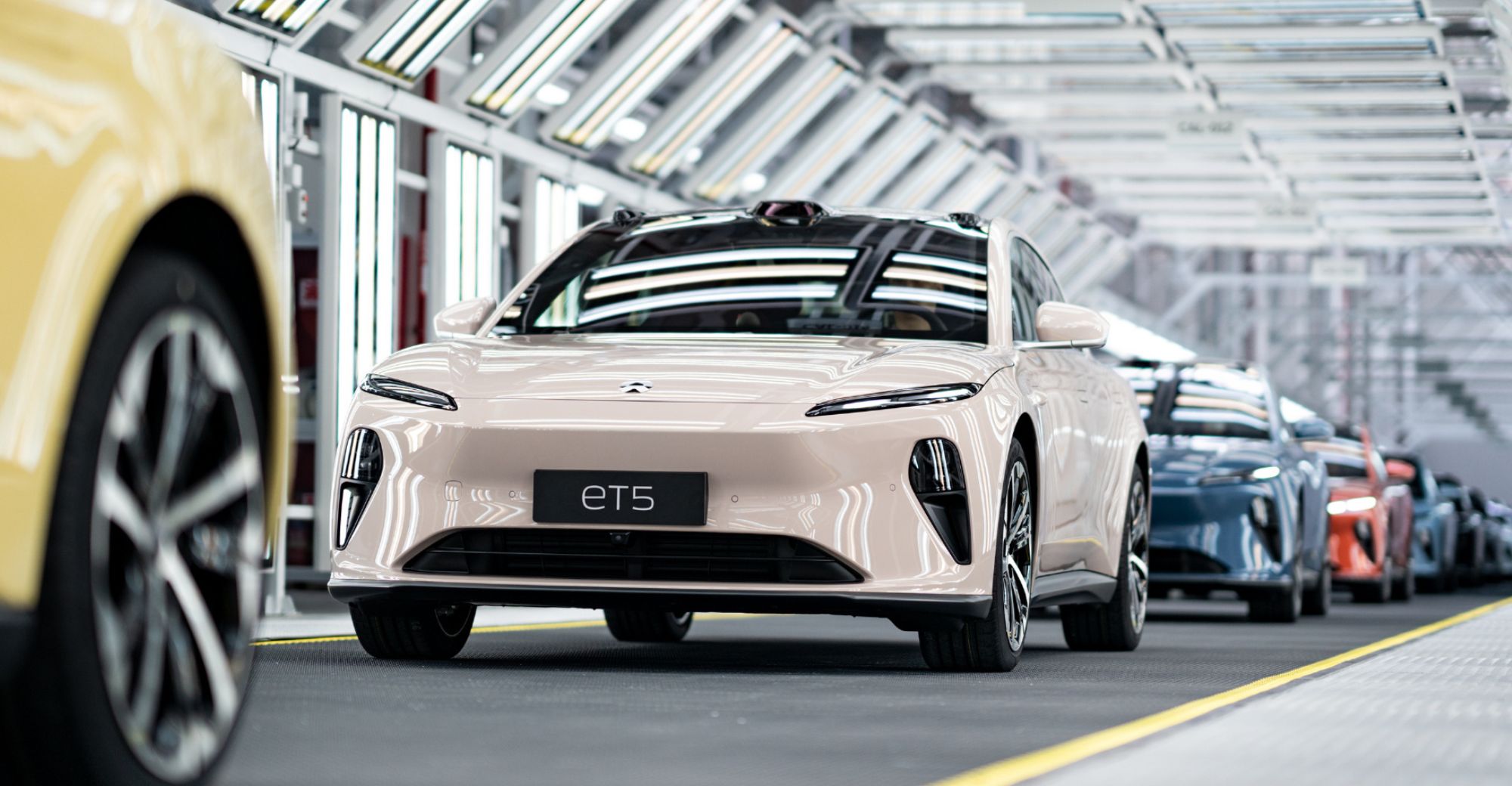
- The USTR proposed tiered tariffs targeting Chinese manufacturing, explicitly including finished vehicles, batteries and auto parts, reflecting U.S. concern over export growth squeezing market access for domestic firms.
- China exported 582,000 NEVs in October 2026, up 77% year‑on‑year, and 4.65 million NEVs in the first ten months of 2026, a 75% increase versus a year earlier.
- Direct competitors include Chinese NEV exporters targeting U.S. and third‑country markets, while risks center on final tariff coverage, exemption rules, supply‑chain reconfiguration and timing of implementation.
On November 25 local time, the Office of the United States Trade Representative (USTR) announced that it had completed Section 301 investigations into structural excess capacity and production practices in the manufacturing sectors of 14 economies.
The USTR determined that certain policies and practices in these economies were “unreasonable” and burdened or restricted U.S. commerce.
As a follow-up measure, the agency proposed additional tariffs on imports from the economies concerned, including duties of up to 20% on certain Chinese goods.
The investigations were conducted under Section 301 of the U.S. Trade Act of 1974 and were launched by the USTR on March 11, 2026.
They initially covered 16 economies, including China, the European Union, Japan, South Korea, India, Mexico and several countries and regions in Southeast Asia.
The findings announced this time covered 14 of the 16 economies, with no determination made yet for Mexico or Norway.

In its investigation concerning China, the USTR identified automotive and new energy vehicle (NEV) manufacturing, batteries, semiconductors, robotics, steel and chemicals among the manufacturing sectors affected by structural excess capacity and production issues.
For Chinese goods, the USTR proposed a tiered tariff structure. Certain imports would face additional duties of up to 20%, while another group of designated products would be subject to tariffs of up to 10%. Some products would also be exempt.
The agency also proposed a conditional alternative. If it determines that ongoing discussions with China have failed to adequately address the issues raised in the investigation, it would consider imposing tariffs of up to 40% on all Chinese goods.
The automotive industry is one of the key sectors covered by the investigation. In addition to finished vehicles, the report also examined auto parts, batteries and semiconductors.
The USTR alleged that China’s production capacity and export growth had squeezed sales opportunities for U.S. companies in the domestic market, China and third-country markets.

The report also identified supply-chain concentration for critical products as an economic security risk, arguing that excessive dependence on specific sources could increase the risk of supply disruptions.
If the proposed tariffs are eventually implemented, their impact may extend beyond Chinese vehicles imported into the United States to include auto parts trade, supplier selection and automakers’ production footprints in the country.
For automakers and component suppliers that rely on cross-border sourcing, the final product coverage, tariff rates and exemptions will directly determine the resulting cost impact.
The investigation comes as China’s NEV exports continue to grow.
According to data from the China Passenger Car Association (CPCA), China exported 582,000 NEVs in October 2026, up 77% year over year.

Exports totaled 4.65 million units in the first 10 months of the year, an increase of 75% from a year earlier. NEVs accounted for 53% of China’s total vehicle exports in October.
As China’s export volumes expand, the U.S. decision to include vehicles, batteries and related supply chains in a new round of manufacturing trade investigations adds to the policy uncertainty facing Chinese automakers seeking to enter the U.S. market.
Under the next steps announced by the USTR, interested parties must submit written comments and requests to participate in the public hearing by January 5, 2027.
The hearing is scheduled to take place on January 25 at the U.S. International Trade Commission (USITC).
The proposed tariffs have not yet taken effect. Final rates, product coverage and exemptions remain subject to further proceedings.
Discover more from ChinaEVHome
Subscribe to get the latest posts sent to your email.