- NIO is accelerating rollout of Gen‑5 battery swap stations, deploying hundreds this year and targeting at least 1,000 units by 2027 to capture share and cut infrastructure unit costs.
- Gen‑5 stations support 3.5m wheelbases across NIO brands, complete swaps in 1m48s, handle up to 500 daily swaps, cost about RMB 1.4 million (about $209,030) each.
- Competitors include legacy fast‑charging networks and OEM swap initiatives, with risks in achieving ~45 swaps/day break‑even, scaling consistency, and monetizing V2G and power‑trading services.
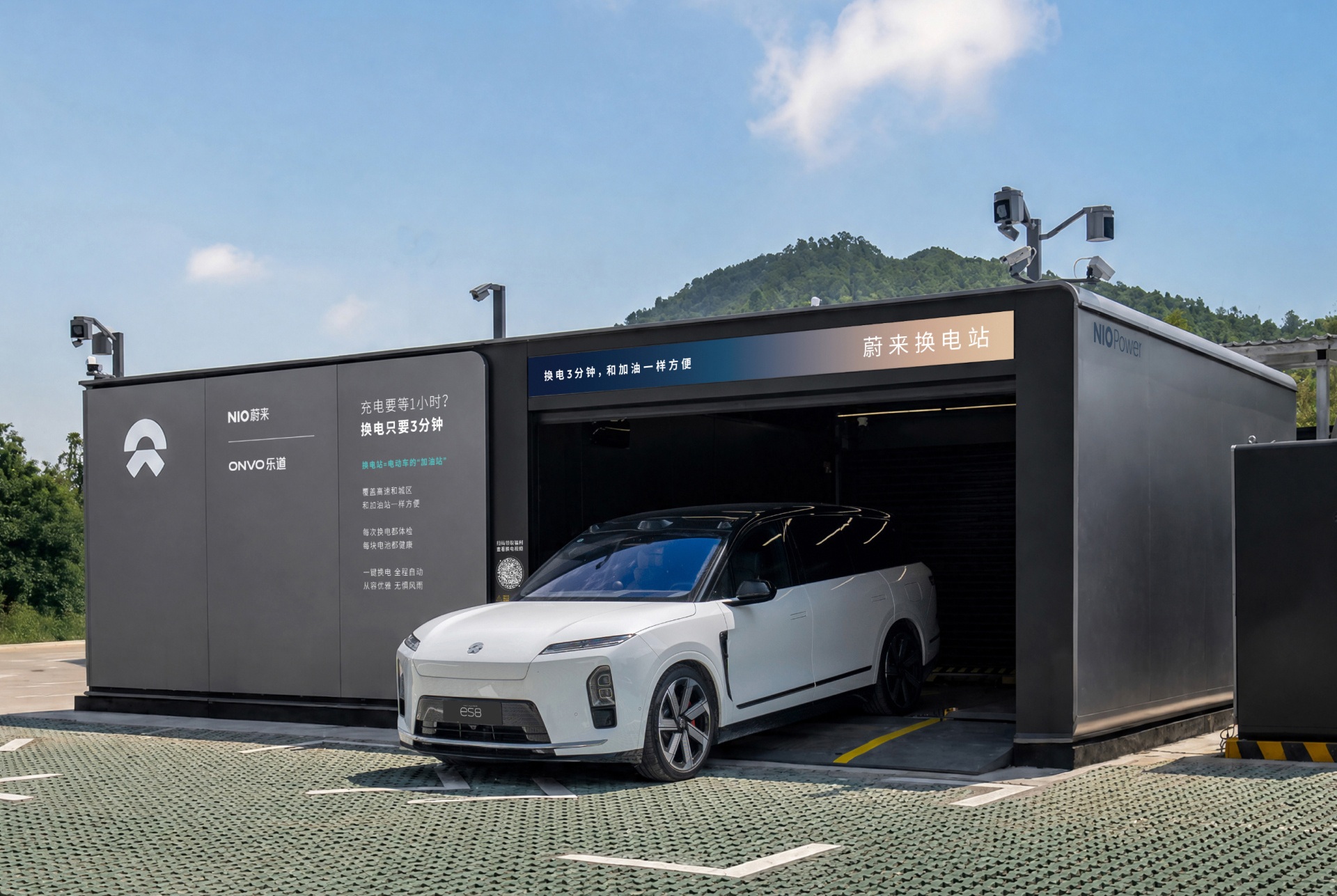
On Sept. 20, NIO founder William Li said in a user group that production capacity for the company’s fifth-generation battery swap stations is being ramped up, with hundreds of stations planned for deployment this year and a target of at least 1,000 in 2027.

The fifth-generation battery swap station began operations in Quanzhou, Fujian province, on Aug. 7, becoming NIO’s 4,000th battery swap station in China.
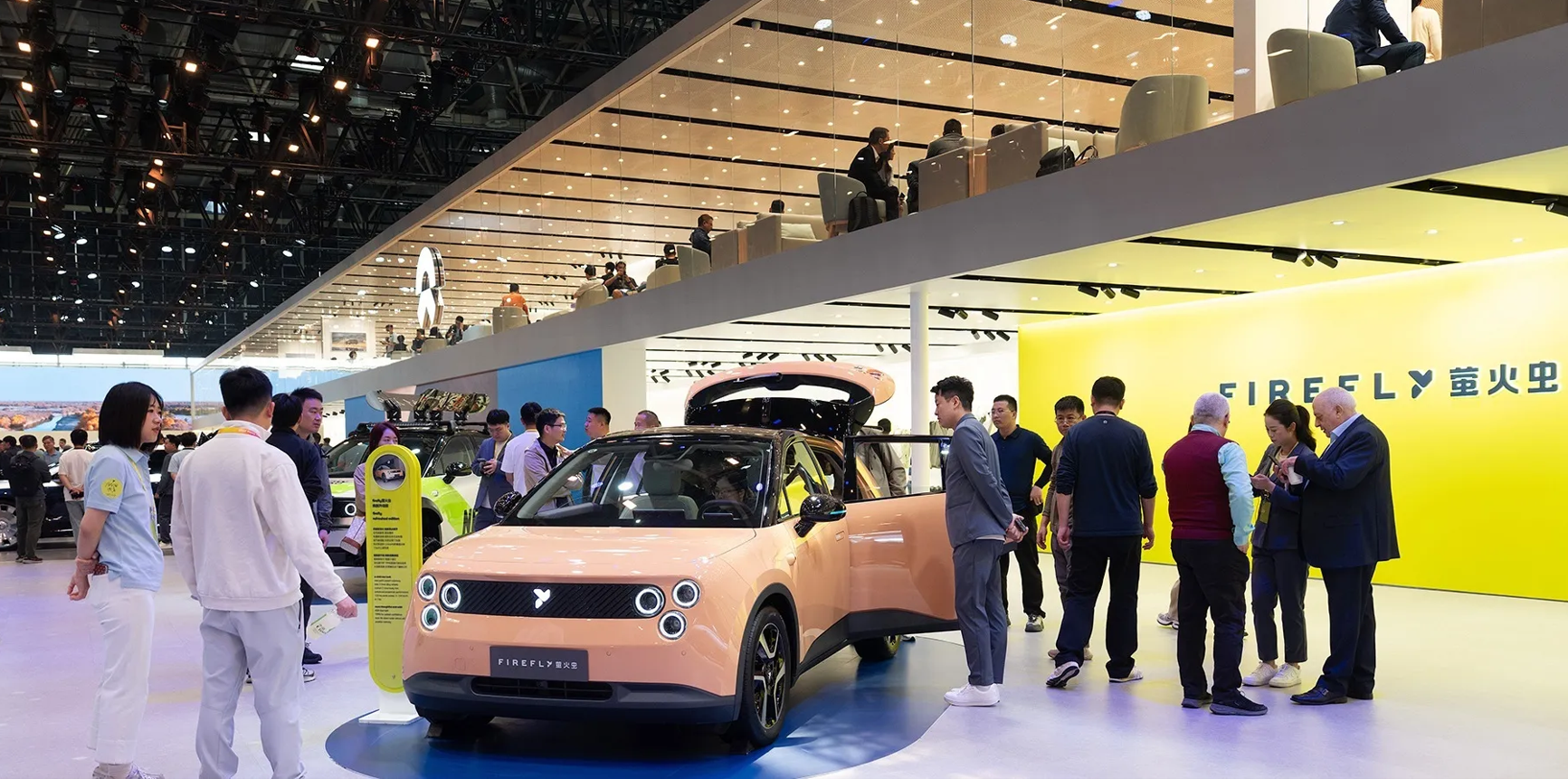
The same day, the first Gen-5 stations in Beijing, Shanghai, Guangzhou, Suzhou, Hefei, Chengdu and Quanzhou began operations simultaneously, formally bringing NIO’s Firefly brand into its battery-swapping network.
It uses NIO’s in-house flexible mechanical positioning system and supports wheelbases of up to 3.5 meters, covering all models across NIO’s three brands.
The redesigned architecture allows NIO, ONVO and Firefly vehicles to share the same swap network.

In terms of efficiency, the Gen-5 station cuts the full battery-swap process to 1 minute 48 seconds, 36 seconds faster than the fourth generation, while increasing maximum daily service capacity to 500 swaps.
The station also integrates a 500 kW fast charger and supports bidirectional V2G energy interaction.
Battery swap stations are no longer limited to vehicle energy replenishment and can also serve as grid-regulation resources.
NIO has recently expanded its cooperation with China Huaneng in virtual power plants, electricity trading and other areas.
This further extends its swap stations from vehicle energy infrastructure into assets that can participate in grid regulation and energy trading.
Lower costs are a key factor behind the faster Gen-5 rollout. NIO CFO Stanley Qu during NIO’s Q2 earnings-call disclosures revealed that the station-only cost at about RMB 1.4 million ($209,030).

Operating and maintenance costs have fallen by about 30%, while the average daily swap volume required to reach break-even has declined from 60-70 swaps for Gen-4 stations to about 45.
For comparison, a first-generation swap station cost about RMB 3 million ($448,000) to build, while the fourth generation cost about RMB 1.5 million ($224,000).
The Gen-5 station therefore represents a reduction of about 67% from the first generation.
As of Sept. 20, NIO had built 9,388 charging and battery swap stations, including 4,099 battery swap stations and 1,057 highway swap stations.

The company has invested more than RMB 20 billion ($2.976 billion) in charging and battery-swapping infrastructure, while cumulative battery swaps have exceeded 120 million.
NIO’s battery-swap network surpassed 100 million swaps in February 2026 and had reached more than 120 million by August.
For gen-5 battery swap stations, the break-even threshold has been brought down to approximately 45 swaps per day.
The next critical question is whether this level can be steadily achieved across a larger portfolio of stations, as well as how much incremental revenue can be generated by V2G, power trading and other services.
Financially, NIO’s services and community business generated more than RMB 10 billion ($1.49 billion) in revenue for the first time in 2025.
This reached RMB 5.8 billion ($866 million) in the first half of 2026 and remains profitable for multiple consecutive quarters.
Discover more from ChinaEVHome
Subscribe to get the latest posts sent to your email.